New UPSC Foundation, Optional and TGPSC/APPSC batches are open — book your counselling slot.Today's Current AffairsToday's Daily QuizCall 98804 87071

Pragnya Daily · 6:00 am IST

UPSC Daily Current Affairs Analysis

Every morning our editors scan The Hindu, Indian Express, Times of India, PIB, Down To Earth, RBI, ministries, the World Bank, IMF and UN agencies, and turn the 10 most exam-relevant stories into syllabus-mapped analysis with infographics, Prelims MCQs and Mains model answers.

10 stories dailyGS paper mappingInfographicsPrelims MCQsMains model answers

Today's edition

Wednesday, 11 November 2026

10 analysed stories

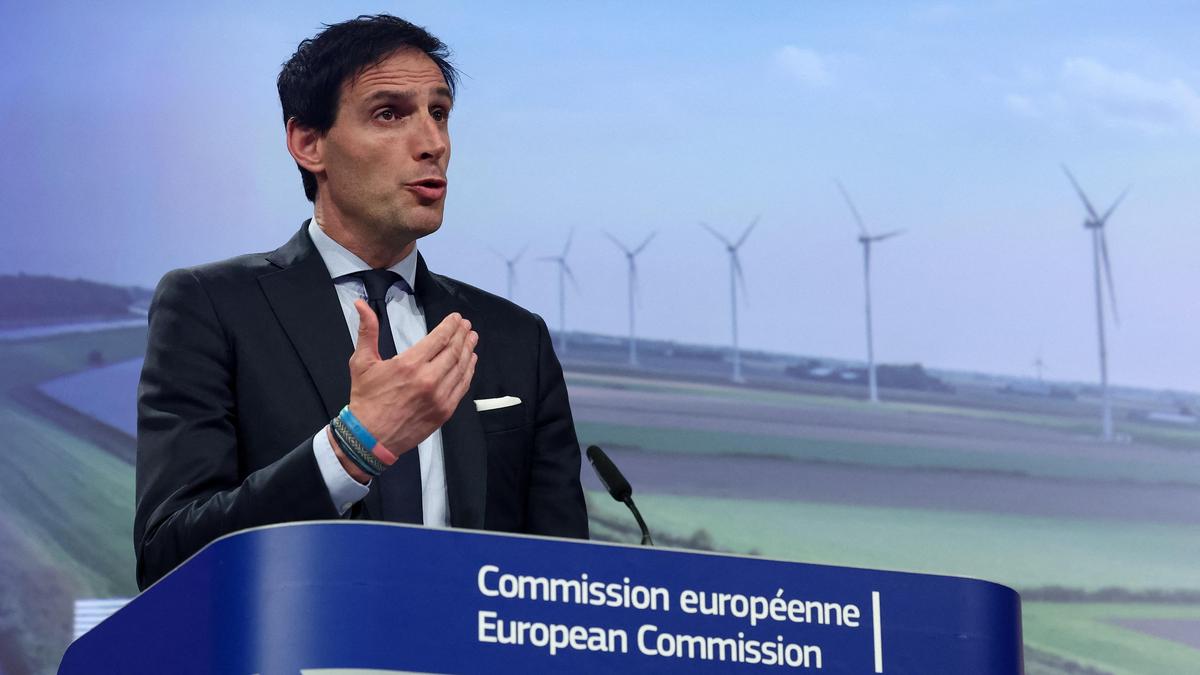
Photo from the source report: COP31 Electrification Pledge: Climate Finance, Equity and India’s Policy Autonomy#2
Environment & EcologyGS 2 & 3

COP31 Electrification Pledge: Climate Finance, Equity and India’s Policy Autonomy

At COP31 in Antalya, Turkiye is promoting a voluntary pledge to raise electricity’s share of global energy demand from around 20% to 35% by 2035, while the European Union wants an explicit focus on clean electrification. The proposal could accelerate energy transition, but its climate value depends on cleaner power, affordable finance and equitable implementation; it is not a binding country-wise obligation under the Paris Agreement.

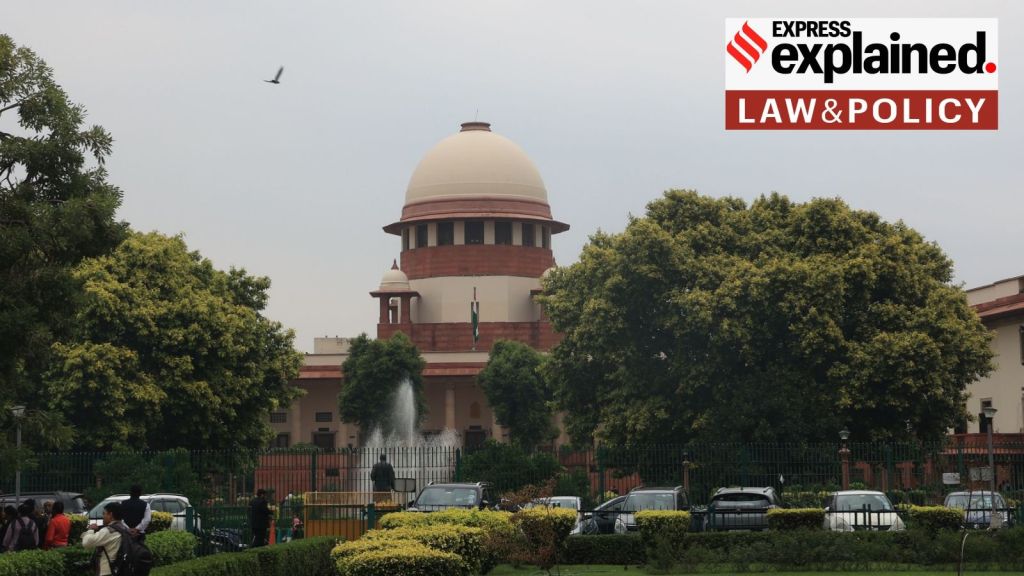
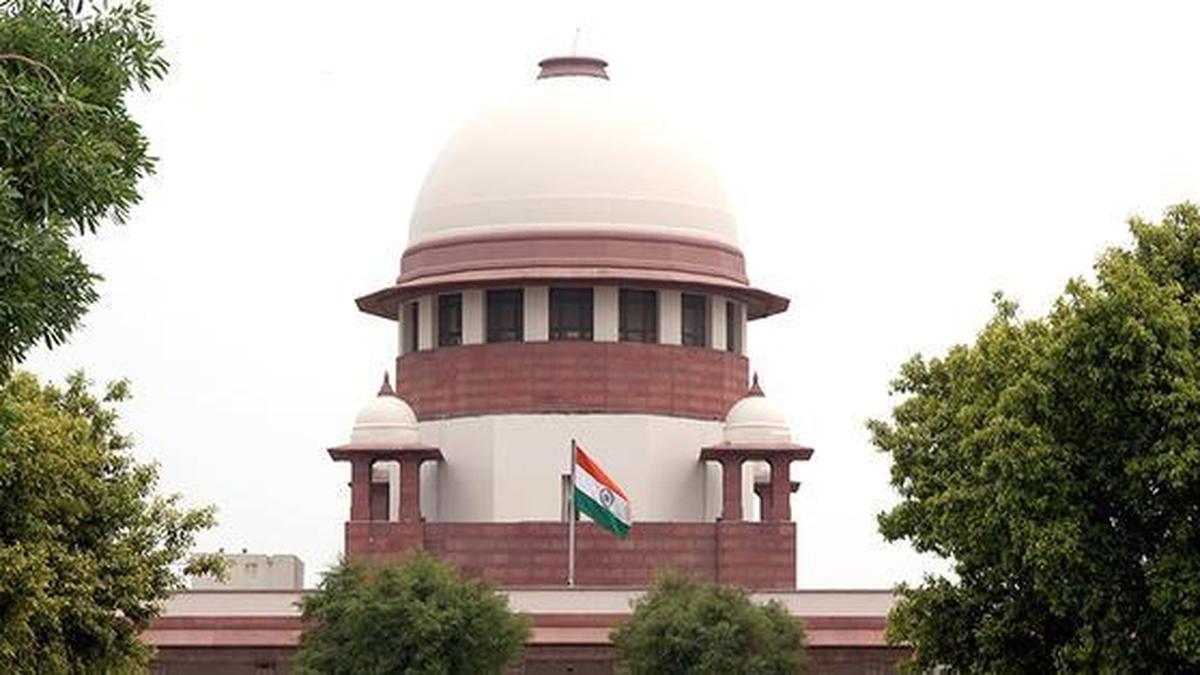
Reference view of the Supreme Court of India. A seven-judge Constitution Bench closed the longstanding reference, reiterating that a surcharge calculated on sales tax payable is additional sales tax, not a separate tax on tax.#3
Polity & GovernanceGS 2 & 3

Sales Tax Surcharge: Supreme Court Clarifies State Taxing Powers and Fiscal Federalism

A seven-judge Supreme Court Constitution Bench has reiterated that a surcharge calculated on sales tax payable is an additional sales tax, not an unconstitutional separate tax on tax. It closed the longstanding reference because the principle was already settled in S. Kodar (1974), clarifying the distinction between the subject of taxation and its method of calculation. The dispute concerns pre-GST laws and has limited prospective significance after the narrowing of State List Entry 54.

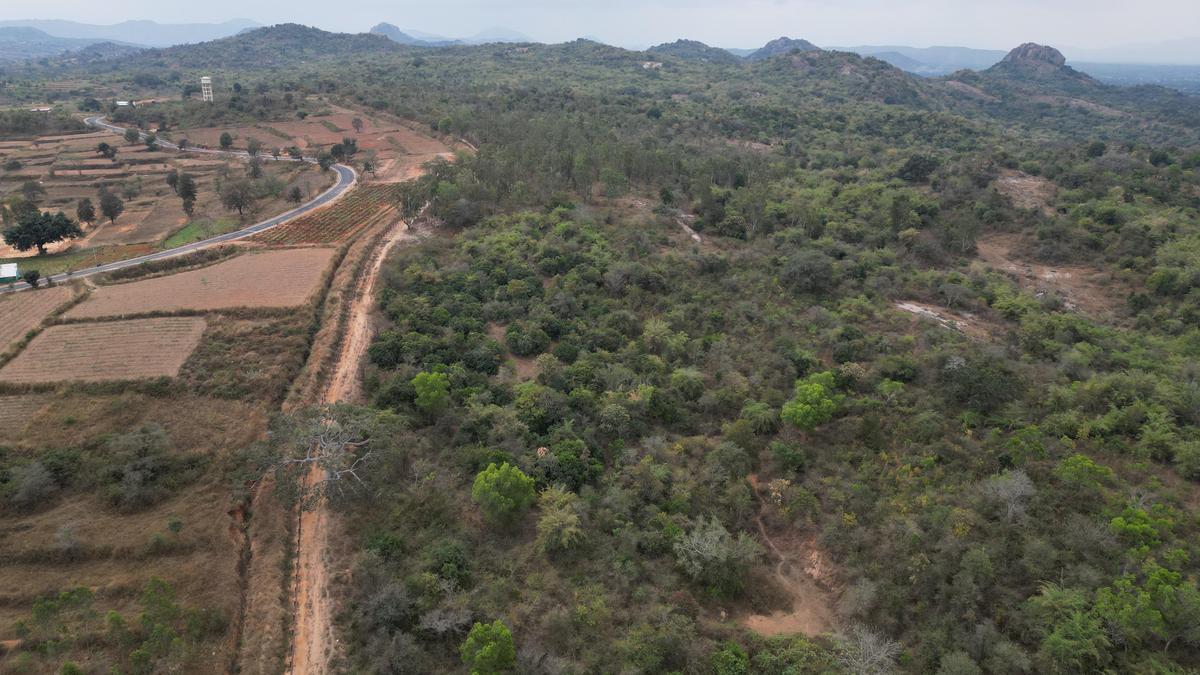
The Supreme Court expressed a prima facie view that commercial crop cultivation in forests cannot itself justify occupation under the Forest Rights Act, distinct from eligible communities’ livelihood and minor forest produce rights.#5
Environment & EcologyGS 2 & 3

Supreme Court on FRA: Forest Livelihood Rights Versus Commercial Plantation Claims

The Supreme Court has expressed a prima facie view that planned or promoted commercial crop cultivation inside forests cannot itself justify occupation under the Forest Rights Act, 2006. In a case concerning silk cotton cultivation in the Agasthyamalai Biosphere Reserve, it distinguished such claims from the livelihood and minor forest produce rights of eligible forest-dwelling communities.

Reference image accompanying reporting on possible NMDC lithium investments in Russia, not documentation of negotiations. Rosatom denied current talks with NMDC, and no agreement has been established.#6
EconomyGS 3

NMDC–Rosatom Lithium Talks: Securing India’s Battery Supply Chains

NMDC is reportedly exploring investment in Russian lithium mining and processing through preliminary discussions with Rosatom and other Russian companies. However, Rosatom said it was not currently engaged in talks with NMDC, and no agreement has been established. The report highlights India’s need to combine overseas mineral access with domestic processing capacity while managing geopolitical and project-execution risks.

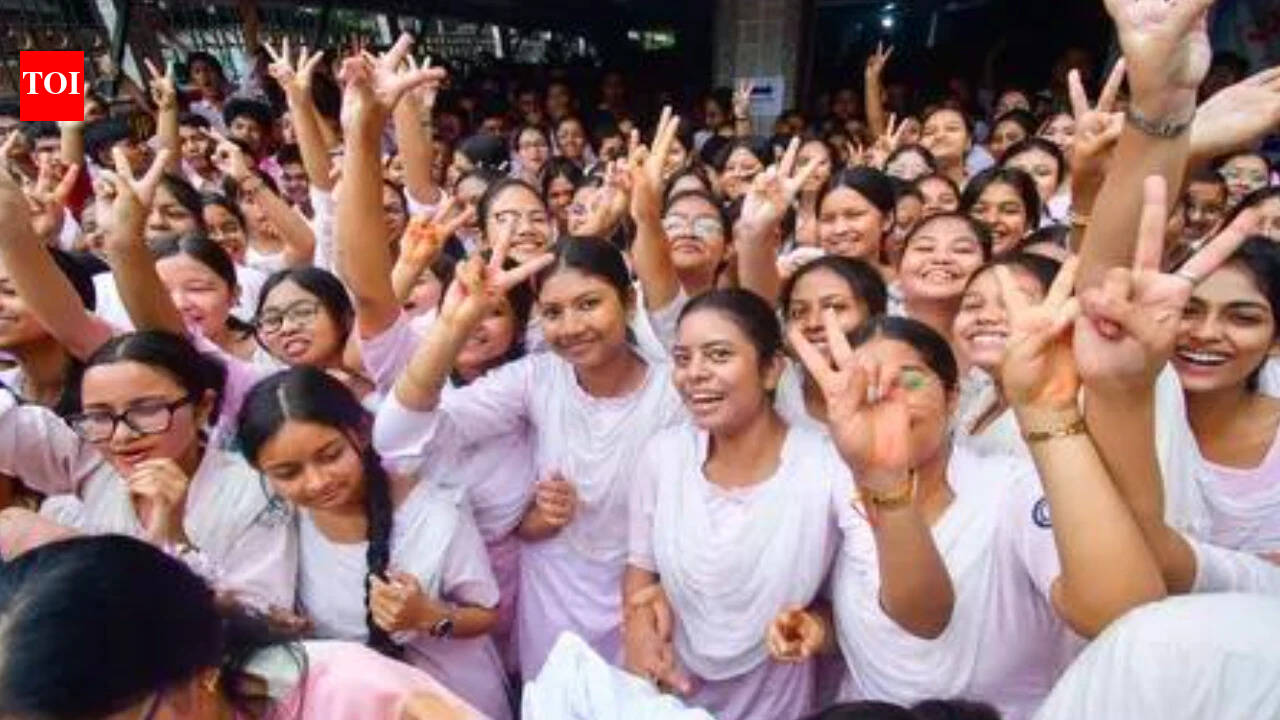
Reference view accompanying the Times of India report on UNESCO’s findings: women’s gains in higher education can coexist with rural–urban gaps in girls’ schooling.#8
Reports & IndicesGS 2

UNESCO on Women’s Higher Education: Gains Amid Rural–Urban Schooling Gaps

A Times of India headline attributes to UNESCO the observation that women are ahead in higher education while rural–urban gaps affect schoolgirls. These outcomes can coexist because aggregate higher-education gains do not establish equal schooling opportunities across locations and social groups; policy must address the barriers faced by girls who struggle to enter or remain in the education pipeline.

Free UPSC daily current affairs quiz — 10 questions, new every day at 8 am IST.

Call nowWhatsApp