New UPSC Foundation, Optional and TGPSC/APPSC batches are open — book your counselling slot.Today's Current AffairsToday's Daily QuizCall 98804 87071

Pragnya Daily · 6:00 am IST

UPSC Daily Current Affairs Analysis

Every morning our editors scan The Hindu, Indian Express, Times of India, PIB, Down To Earth, RBI, ministries, the World Bank, IMF and UN agencies, and turn the 10 most exam-relevant stories into syllabus-mapped analysis with infographics, Prelims MCQs and Mains model answers.

10 stories dailyGS paper mappingInfographicsPrelims MCQsMains model answers

Today's edition

Tuesday, 27 October 2026

10 analysed stories

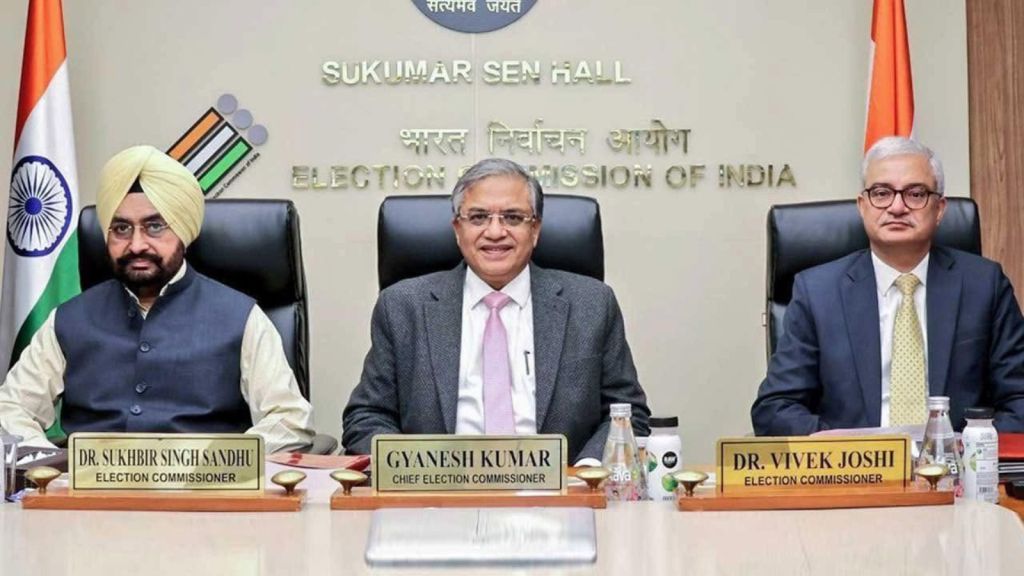
Reference image of Chief Election Commissioner Gyanesh Kumar with Election Commissioners Sukhbir Singh Sandhu and Vivek Joshi. The three-member Commission’s collective decision-making is central to its submission that the revision orders were unanimously approved; the image does not document the disputed decisions.#1
Polity & GovernanceGS 2

ECI’s Electoral Roll Revision Defence: Article 324, CEC Safeguards and Voter Due Process

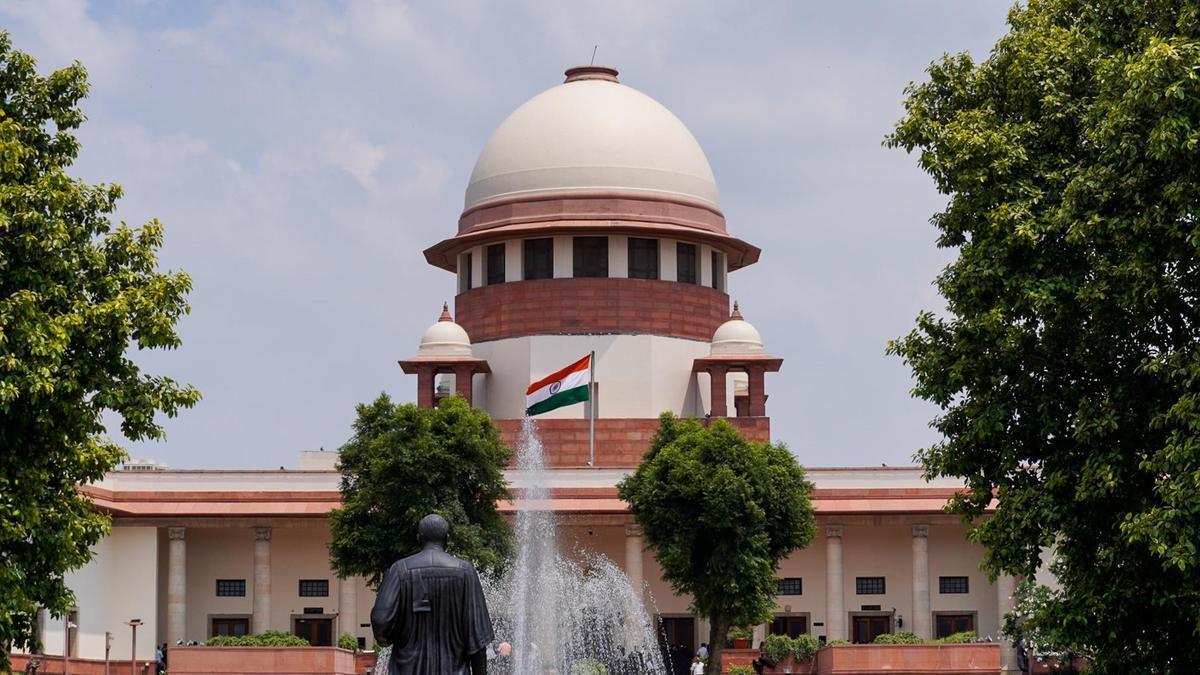
The Election Commission of India has told the Supreme Court that its Special Intensive Revision orders were unanimously approved, statutory Form 6 was not amended, and the Chief Election Commissioner enjoys constitutional protection against removal. The dispute brings together institutional independence, collective decision-making and the safeguards needed to prevent wrongful voter exclusion; the reported affidavit presents the Commission’s submissions, not a final judicial determination.
Reference image from coverage of Indian publishers’ challenge to the DPDP framework, which raises questions about privacy, press freedom, source confidentiality and access to information.#2
Polity & GovernanceGS 2

DPDP Law Challenge: Privacy, Press Freedom and the Right to Information

The Digital News Publishers Association has challenged provisions of the Digital Personal Data Protection Act, 2023 and its 2025 Rules, alleging restrictions on journalism, source confidentiality and access to information. The case raises the constitutional question of how informational privacy under Article 21 can be protected without disproportionately restricting speech and public-interest reporting under Article 19(1)(a).

Photo from the source report: Jojari River Pollution: Supreme Court Flags Rajasthan’s Regulatory Failure#3
Environment & EcologyGS 2 & 3

Jojari River Pollution: Supreme Court Flags Rajasthan’s Regulatory Failure

On October 26, 2026, the Supreme Court questioned Rajasthan’s handling of pollution and illegal mining in the Jojari-Luni-Bandi river system, warning of a possible CBI investigation if remedial action remained inadequate. It sought a concrete financing proposal for treatment and water-reuse infrastructure, indicating that regulatory failure could require the State to share restoration costs alongside industries.

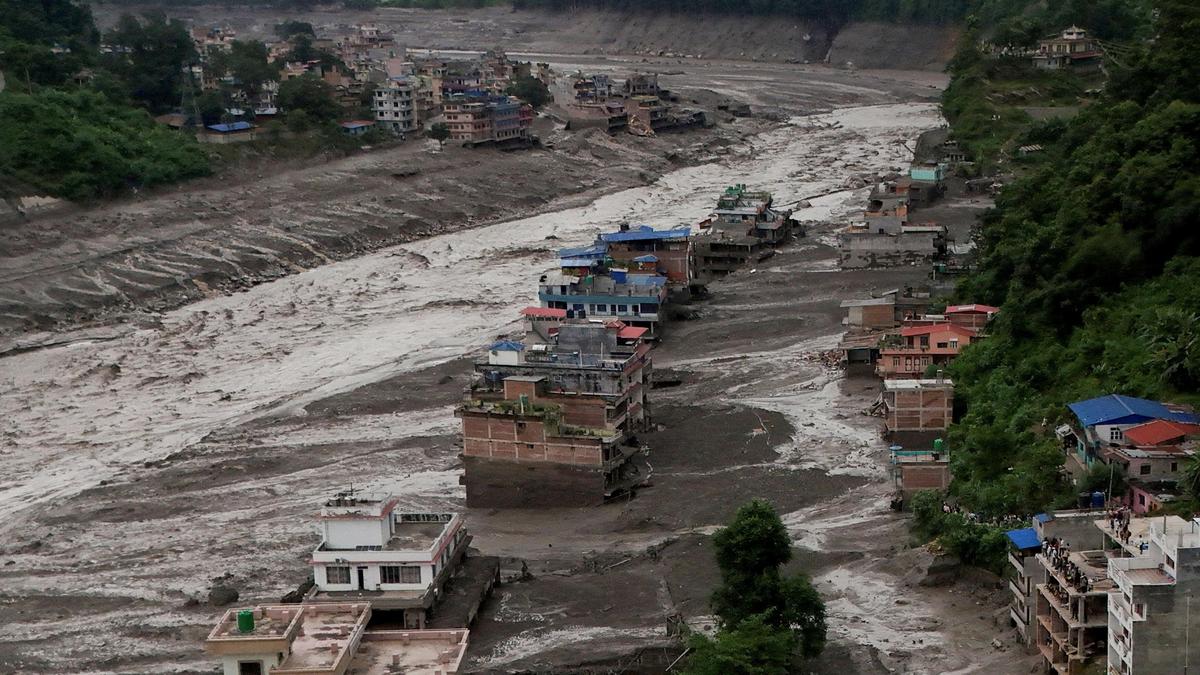
Reference image from explanatory coverage of Nepal’s loss-and-damage funding, not a verified view of the August 2026 floods. The $21.6 million allocation includes $20 million in support and $1.6 million in oversight fees; release requires a funding request and further Board approval.#5
Environment & EcologyGS 3

Nepal’s First Loss and Damage Fund Allocation: Access, Adequacy and Climate Justice

The Fund for Responding to Loss and Damage has earmarked $21.6 million for Nepal following its August 2026 floods, comprising $20 million in support and $1.6 million in oversight fees. This is its first country-specific allocation, not a completed disbursement: Nepal must submit a funding request for further Board approval before money is released. The decision tests whether climate-finance commitments can translate into timely, adequate assistance for vulnerable developing countries.

UPI reference view, not an image of the proposal: UPI enables real-time money transfers. The proposed merchant discount rate is a payment-service fee, not inherently a government tax.#6
EconomyGS 3

Proposed UPI MDR: Balancing Financial Inclusion and Sustainable Payment Financing

The supplied Hindu editorial reports a proposal to permit a merchant discount rate of 0.25–0.5% on UPI transactions above ₹2,000, alongside a proposed amendment to the payments law. The central policy question is how to finance reliable digital payments without discouraging merchant acceptance, weakening financial inclusion or reversing gains in formalisation. MDR is a payment-service fee, not inherently a government tax; its effects depend on who receives the proceeds and who ultimately bears the cost.

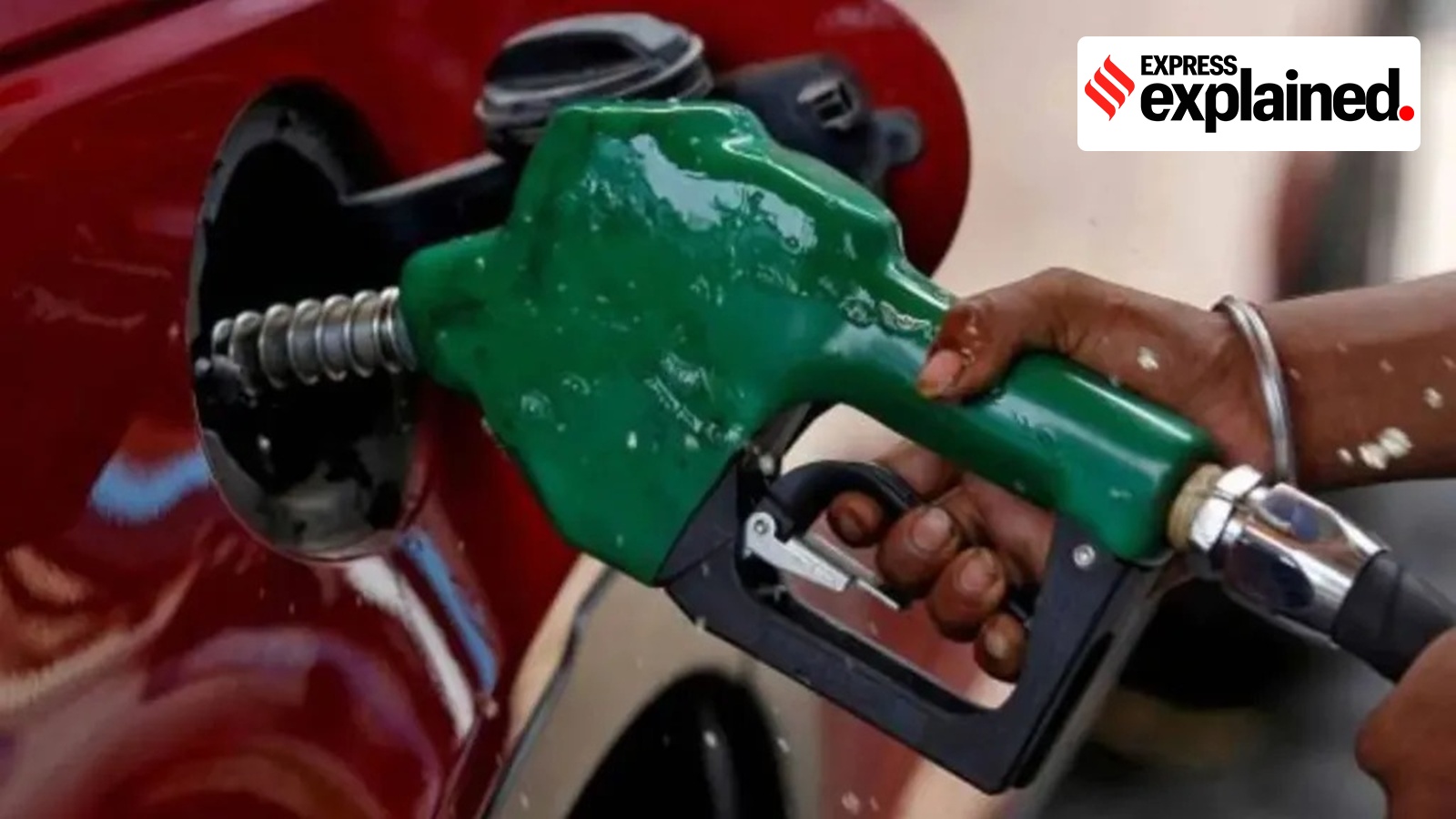
Photo from the source report: E100 Flex-Fuel Rules: Engine Compatibility, Energy Security and Ethanol’s Ecological Costs#9
Science & TechnologyGS 3

E100 Flex-Fuel Rules: Engine Compatibility, Energy Security and Ethanol’s Ecological Costs

The Centre has amended the Central Motor Vehicles Rules, 1989, to enable certification of specially designed flex-fuel vehicles for fuels up to E100, which is almost pure ethanol. This does not authorise ordinary petrol or E20-certified vehicles to use E100. The change could support domestic fuel substitution, but its benefits depend on vehicle compatibility, cost per kilometre and the land, water and emissions footprint of ethanol production.

Free UPSC daily current affairs quiz — 10 questions, new every day at 8 am IST.

Call nowWhatsApp