
WHO Childhood Obesity Guidelines: Implications for India’s Nutrition and School Health
Revise the static topic: UPSC Social Justice notes · UPSC Science & Technology notes
In short: WHO has issued its first global guidelines on childhood obesity, prioritising dietary changes, physical activity, behavioural support and mental healthcare over weight-loss interventions alone. With around 170 million children and adolescents living with obesity globally in 2024, the recommendations underline the need for India to address obesity alongside undernutrition through preventive healthcare and healthier school and community environments.
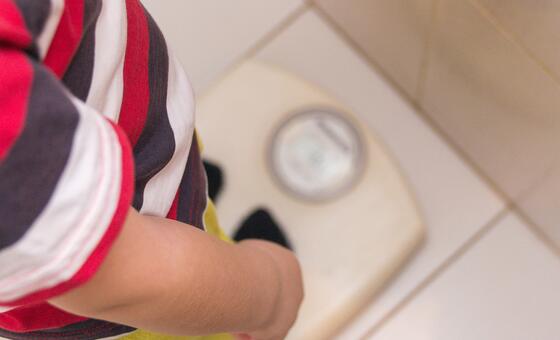
Image: UN News
Why in news
WHO’s new guidelines respond to a quadrupling of obesity prevalence among children and adolescents aged five to 19 since 1990. They outline age-specific treatment recommendations and call for systemic action to make healthy diets and physical activity accessible and affordable.
2%
Obesity prevalence among ages 5–19 in 1990
Around 8%
Reported obesity prevalence among ages 5–19
Around 170 million
Children and adolescents with obesity in 2024
70 million
Children aged 5–9 with obesity in 2024
Some 100 million
Adolescents with obesity in 2024
Fourfold
Rise in child and adolescent obesity prevalence since 1990
Background
Malnutrition includes undernutrition, micronutrient deficiencies, overweight and obesity. The double burden of malnutrition refers to the coexistence of undernutrition with overweight, obesity or diet-related noncommunicable diseases within individuals, households or populations. A diet can supply excess energy while remaining deficient in essential nutrients. For India, this requires a nutrition strategy that protects children against inadequate food intake without encouraging nutritionally poor, energy-dense diets. WHO provides international public-health guidance; implementation requires adaptation through national policies, clinical systems and local institutions.
What WHO recommends: comprehensive, age-specific care
WHO defines obesity as a chronic, relapsing disease associated with excessive fat deposits. Its guidelines strongly recommend dietary changes, physical activity and other behaviour-changing interventions as the foundation of childhood obesity care.
For children aged zero to nine, WHO does not recommend pharmacological treatment, bariatric surgery or weight-loss devices. For adolescents aged 10–19, approved medicines such as GLP-1 therapies should be considered only when a supervised lifestyle programme has failed to produce improvements. Bariatric surgery may be considered under strict conditions for severe obesity.
- Care should improve health, functioning and well-being rather than focus exclusively on weight loss.
- Treatment should reflect each child’s needs and include long-term follow-up.
- The adolescent recommendations are conditional options, not an endorsement of routine medication or surgery.
- WHO guidance is not itself a domestic legal ban or an approval for a particular medicine in India.
Infographic
Nutrition
Improve diet quality while protecting adequate nourishment.
Activity
Enable inclusive exercise, safe play and active travel.
Mental health
Address distress, stigma and bullying.
Clinical care
Provide individualised support and age-specific treatment.
Healthy environments
Align schools, food policy and urban planning.
Continuity
Follow health, functioning and well-being over time.
AI-assisted infographic by Pragnya IAS Academy, based on the cited sources.
Why obesity is a physical and mental health concern
Childhood obesity increases the risk of noncommunicable diseases, including type 2 diabetes and cardiovascular disease. Its consequences also include stigma, discrimination and bullying, which can damage emotional well-being and discourage engagement with care.
WHO emphasises that mental health can be both a cause and a consequence of obesity. Anxiety, depression, low self-esteem and emotional dysregulation can contribute to unhealthy eating, inactivity and social withdrawal; weight-related stigma can reinforce these difficulties.
- Clinical assessment should consider emotional well-being alongside physical health.
- Family counselling should encourage sustainable habits without blaming children or caregivers.
- Schools should prevent bullying and protect the confidentiality of health assessments.
India’s double burden: improve diet quality, not merely calorie intake
India’s response must address obesity without weakening measures against undernutrition and micronutrient deficiencies. The policy objective should be appropriate nourishment for growth, not uniform calorie restriction or a single body-size target for all children.
Existing platforms such as Mission Saksham Anganwadi and POSHAN 2.0, PM POSHAN and public primary healthcare offer opportunities for coordinated nutrition education, growth monitoring and referral. Their roles differ: Anganwadi services address early childhood and maternal nutrition, while PM POSHAN supports school meals.
- Preserve adequate meals for children facing food insecurity while improving dietary diversity and nutritional quality.
- Use age-appropriate growth assessment rather than adult body mass index thresholds alone.
- Avoid assuming that a child with obesity cannot also have micronutrient deficiencies.
Schools and public environments are central to prevention
WHO states that treatment alone cannot reverse rising obesity. It calls for regulatory and fiscal measures and coordinated action across education, urban planning, transport and social protection to make healthy diets and physical activity more accessible and affordable.
For India, this implies treating school meals, the surrounding food environment, physical education and safe access to play as connected public-health concerns. Nutrition counselling has limited effect when healthier food is unaffordable or neighbourhoods lack safe opportunities for activity.
- Strengthen nutritious school meals, safe drinking water and practical food literacy.
- Implement applicable food-safety requirements and safeguards against unhealthy food promotion to children.
- Protect opportunities for inclusive physical activity without singling out children because of weight.
- Improve safe walking routes, accessible playgrounds and public spaces.
Governance implications: prevention with accountable clinical care
The Directive Principles place improvement of nutrition and public health among the State’s responsibilities. WHO’s recommendations reinforce this policy orientation but do not automatically create enforceable obligations under Indian law.
An Indian response should connect community prevention, school health services, primary healthcare and specialist referral. Clinical protocols must distinguish routine lifestyle support from carefully assessed adolescent treatment options, while monitoring outcomes beyond changes in body weight.
- Coordinate health, education, women and child development, food regulation and urban development authorities.
- Train frontline personnel in growth assessment, respectful counselling and referral.
- Evaluate dietary quality, physical activity, mental well-being and continuity of care alongside nutritional status.
| Group or dimension | Recommendation | Policy interpretation |
|---|---|---|
| All children and adolescents | Dietary changes, physical activity and behaviour-changing interventions form the foundation of care. | Build accessible, sustained support rather than rely on short-term weight-loss campaigns. |
| Children aged 0–9 | Pharmacological treatment, bariatric surgery and weight-loss devices are not recommended. | Prioritise comprehensive non-pharmacological care. |
| Adolescents aged 10–19 | Approved medicines may be considered only after a supervised lifestyle programme fails to produce improvements. | Medication is a conditional clinical option, not first-line routine care. |
| Adolescents with severe obesity | Bariatric surgery may be considered under strict conditions. | Require careful specialist assessment rather than generalise surgical eligibility. |
| Mental health and follow-up | Address mental health, individual needs and long-term well-being. | Integrate psychosocial support and continuity of care. |
- 1. Assess growth, diet, physical activity, medical risks and emotional well-being confidentially.
- 2. Provide individualised, family-supported dietary, activity and behavioural interventions.
- 3. Address stigma, mental health needs and barriers to healthy food or safe activity.
- 4. Review health, functioning and well-being through sustained follow-up.
- 5. Refer adolescents needing further assessment for conditional treatment options under appropriate clinical oversight.
1990
Obesity affected about two per cent of children and adolescents aged five to 19, according to WHO’s reported comparison.
2024
Around 170 million children and adolescents were living with obesity globally.
Latest guideline release
WHO issued its first global childhood obesity guidelines, combining age-specific care recommendations with a call for systemic prevention.
Significance, challenges & way forward
Significance
- The guidelines frame obesity as a chronic disease requiring sustained care, not a failure of personal discipline.
- Early prevention can reduce exposure to risks associated with diabetes and cardiovascular disease across the life course.
- Integrating mental health makes childhood obesity care more comprehensive and less stigmatising.
- The recommendations support a double-duty nutrition approach that addresses undernutrition and obesity together.
- The call for action beyond healthcare links child health with education, food systems, transport and urban planning.
Challenges
- Standardised calorie-reduction messages could harm children who need adequate energy and nutrients for growth.
- The affordability and availability of healthier foods can limit the effectiveness of counselling.
- Weight-related stigma may discourage children and families from seeking or continuing care.
- Fragmented responsibilities across departments can weaken referral pathways and preventive action.
- Specialist assessment and sustained behavioural and mental health support require trained personnel and continuity of services.
- Commercial promotion of weight-loss solutions can obscure the guidelines’ emphasis on comprehensive lifestyle support.
Way forward
- Adapt WHO guidance into Indian clinical protocols that clearly distinguish childhood and adolescent treatment recommendations.
- Strengthen age-appropriate growth assessment and referral through primary healthcare, Anganwadi and school health platforms.
- Improve school meal quality and dietary diversity without reducing entitlements needed to address hunger and undernutrition.
- Combine nutrition education with healthier food environments, appropriate regulation and measures that improve affordability.
- Expand inclusive physical education, safe play spaces and opportunities for active travel.
- Embed mental health support, anti-bullying safeguards and privacy protections in childhood obesity programmes.
- Track nutritional status, diet quality, functional health and well-being rather than judge programme success only by weight loss.
Key terms
- Childhood obesity
- Excessive fat accumulation in children that can impair health and requires age-appropriate assessment.
- Chronic, relapsing disease
- A long-lasting condition that can recur and therefore needs continuing support and follow-up.
- Double burden of malnutrition
- The coexistence of undernutrition with overweight, obesity or diet-related noncommunicable diseases.
- Double-duty nutrition actions
- Interventions designed to address undernutrition and overweight or obesity together.
- GLP-1 therapies
- Medicines acting on glucagon-like peptide-1 pathways involved in glucose regulation and appetite.
- Bariatric surgery
- Surgery that changes the digestive system to induce weight loss.
- Food environment
- The physical, economic and social conditions that shape which foods people can access, afford and choose.
Link with static syllabus
Prelims practice MCQs
Q1. Consider the following statements about WHO’s childhood obesity guidelines: 1. Pharmacological treatment is recommended as routine first-line care for children aged zero to nine. 2. Approved medicines for adolescents aged 10–19 should be considered only when a supervised lifestyle programme has failed to produce improvements. 3. Mental health support is an important component of obesity care. Which of the statements given above are correct?
Q2. Which of the following best describes the double burden of malnutrition?
Q3. Consider the following pairs: 1. PM POSHAN — School meal support 2. Mission Saksham Anganwadi and POSHAN 2.0 — Early childhood and maternal nutrition support 3. WHO guidelines — Automatic legal approval of medicines in India Which of the pairs given above are correctly matched?
Q4. Consider the following statements: 1. WHO identifies type 2 diabetes and cardiovascular disease among the risks associated with obesity. 2. Childhood obesity care should be evaluated exclusively through weight loss. 3. Education, urban planning and transport can contribute to obesity prevention. Which of the statements given above are correct?
Mains practice questions
GS 2 · 15 marks · 250 words
In the light of WHO’s childhood obesity guidelines, examine how India can strengthen preventive healthcare and school nutrition while addressing the double burden of malnutrition.
Frequently asked questions
Does WHO recommend weight-loss medicines for all children with obesity?
No. WHO does not recommend pharmacological treatment for children aged zero to nine; for adolescents aged 10–19, approved medicines should be considered only after a supervised lifestyle programme fails to produce improvements.
Why should India address obesity while undernutrition remains a concern?
Undernutrition, micronutrient deficiencies and obesity can coexist within populations, households and individuals. Improving dietary quality can address these problems together without weakening food security measures.
What is the role of schools in childhood obesity prevention?
Schools can provide nutritious meals, food literacy, inclusive physical activity and protection against bullying. These measures work best when healthier choices are affordable and supported by the surrounding environment.
Are the WHO guidelines legally binding in India?
No. They provide international public-health guidance; domestic implementation and medicine approvals depend on Indian policies, laws and regulatory processes.
Sources
Analysis prepared by the Pragnya IAS Academy current-affairs desk with AI assistance from the cited reports. Verify figures with the original sources.
Turn current affairs into marks
Join Pragnya IAS Academy's mentorship for daily answer-writing evaluation on stories like this — classroom programmes from a trusted name in IAS coaching in Hyderabad.