
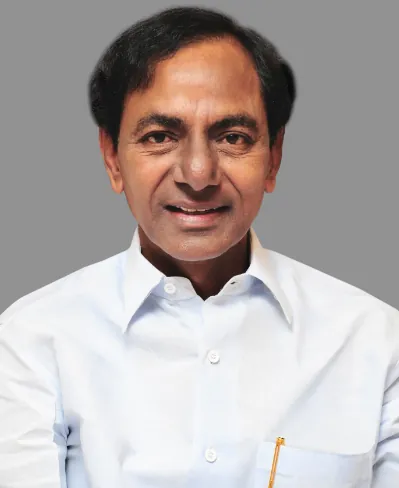
K. Chandrashekar Rao, Former Minister of Labour and Employment of the Republic of India
Credit: Digital Media Telangana Government · CC BY-SA 4.0 · source
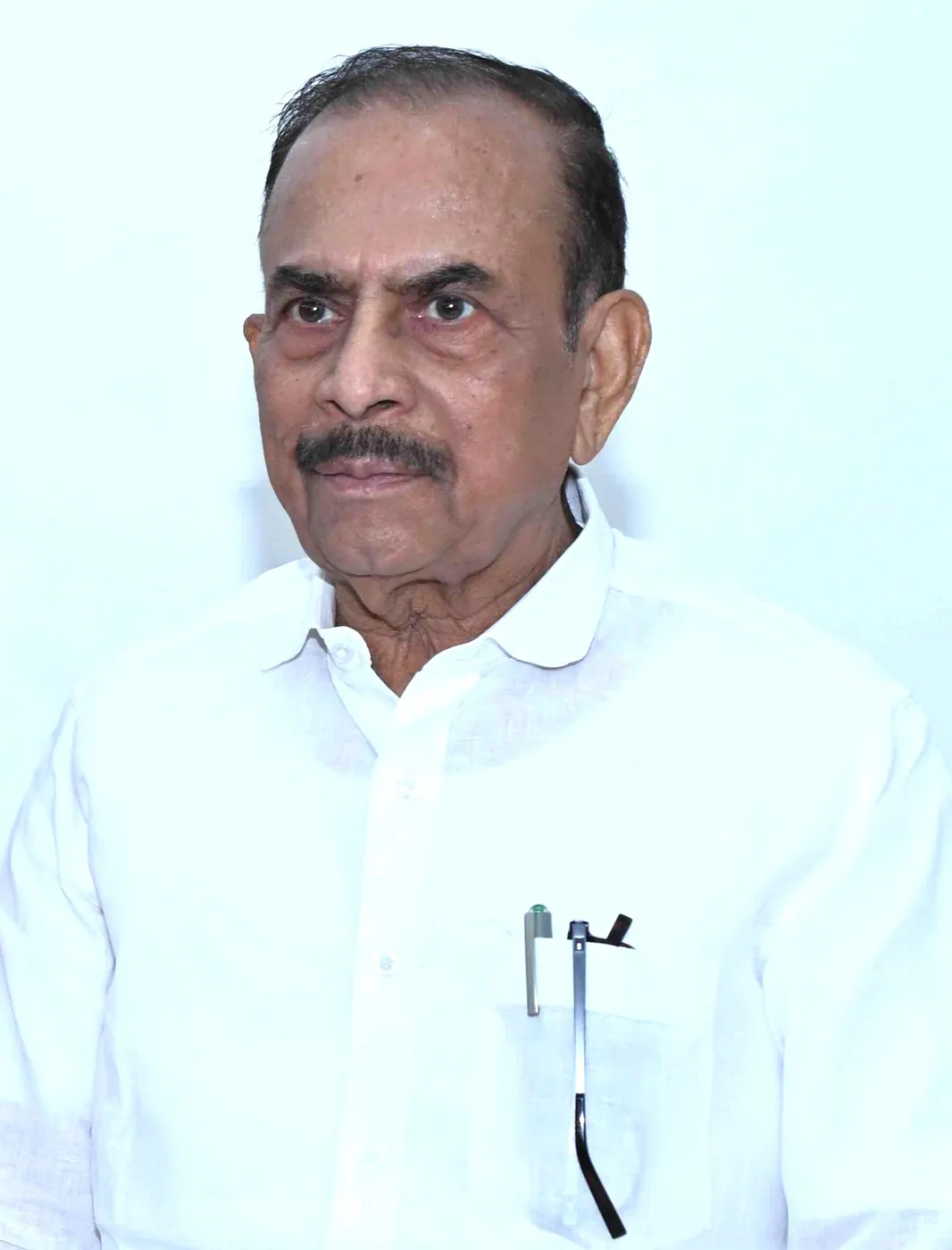
Inaugural Deputy Chief Minister with Revenue.
Credit: Batthini Vinay Kumar Goud · CC0 · source
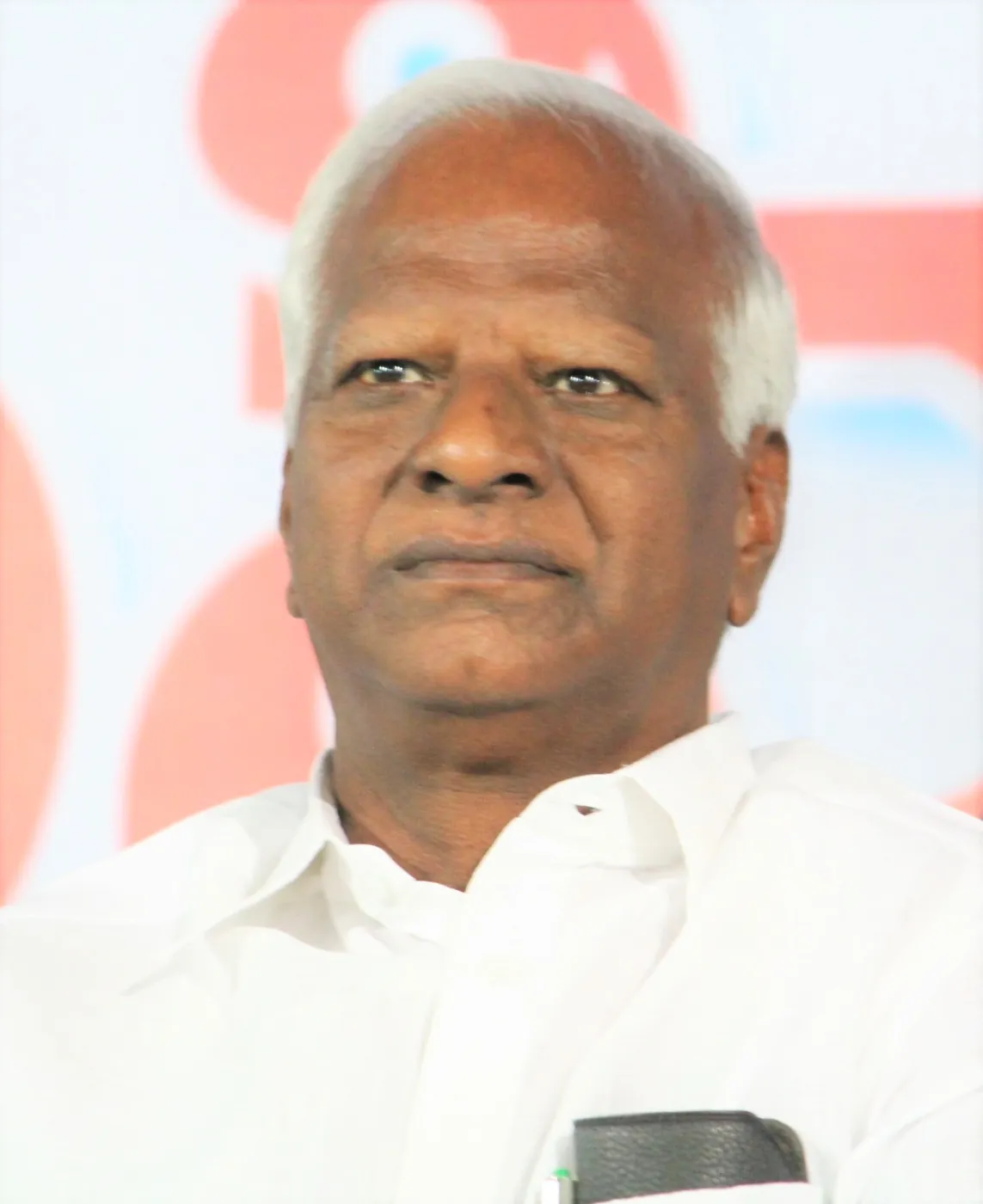
Deputy Chief Minister from January 2015.
Credit: Batthini Vinay Kumar Goud · CC BY-SA 4.0 · source
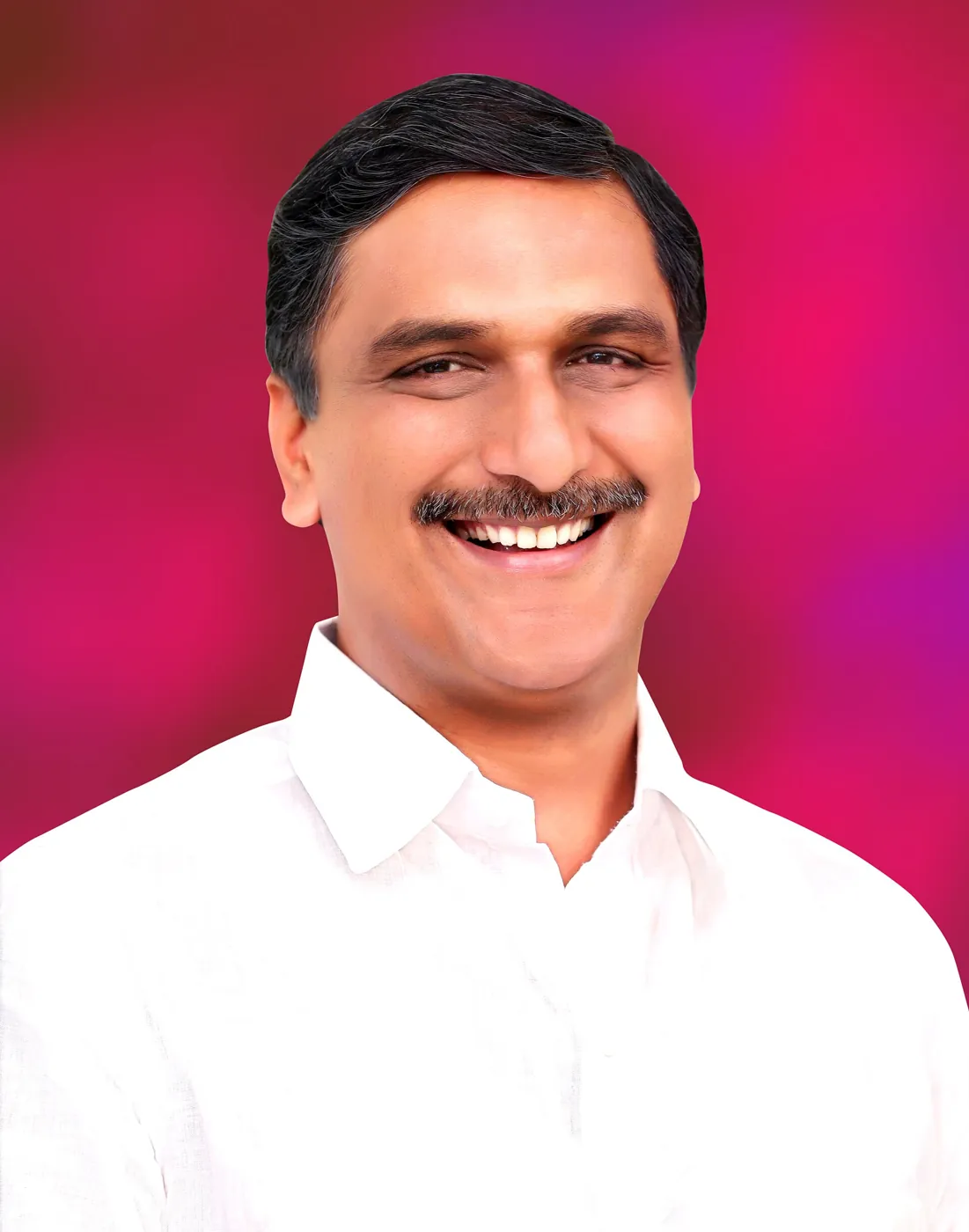
Inaugural Irrigation Minister.
Credit: Vamshi rao · CC BY-SA 4.0 · source
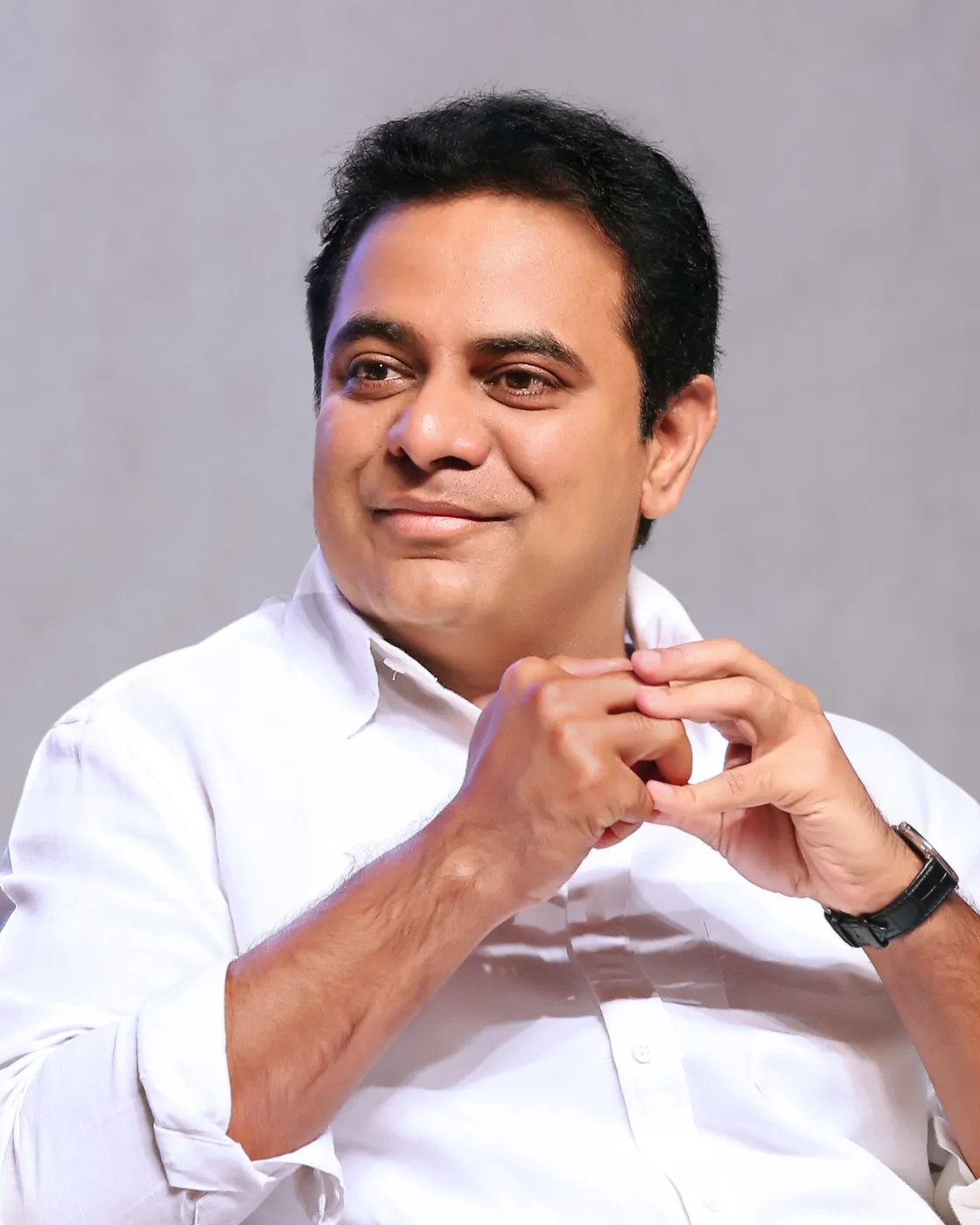
Inaugural Panchayat Raj and IT Minister.
Credit: Rama Krishna Vallapudasu · CC BY-SA 4.0 · source
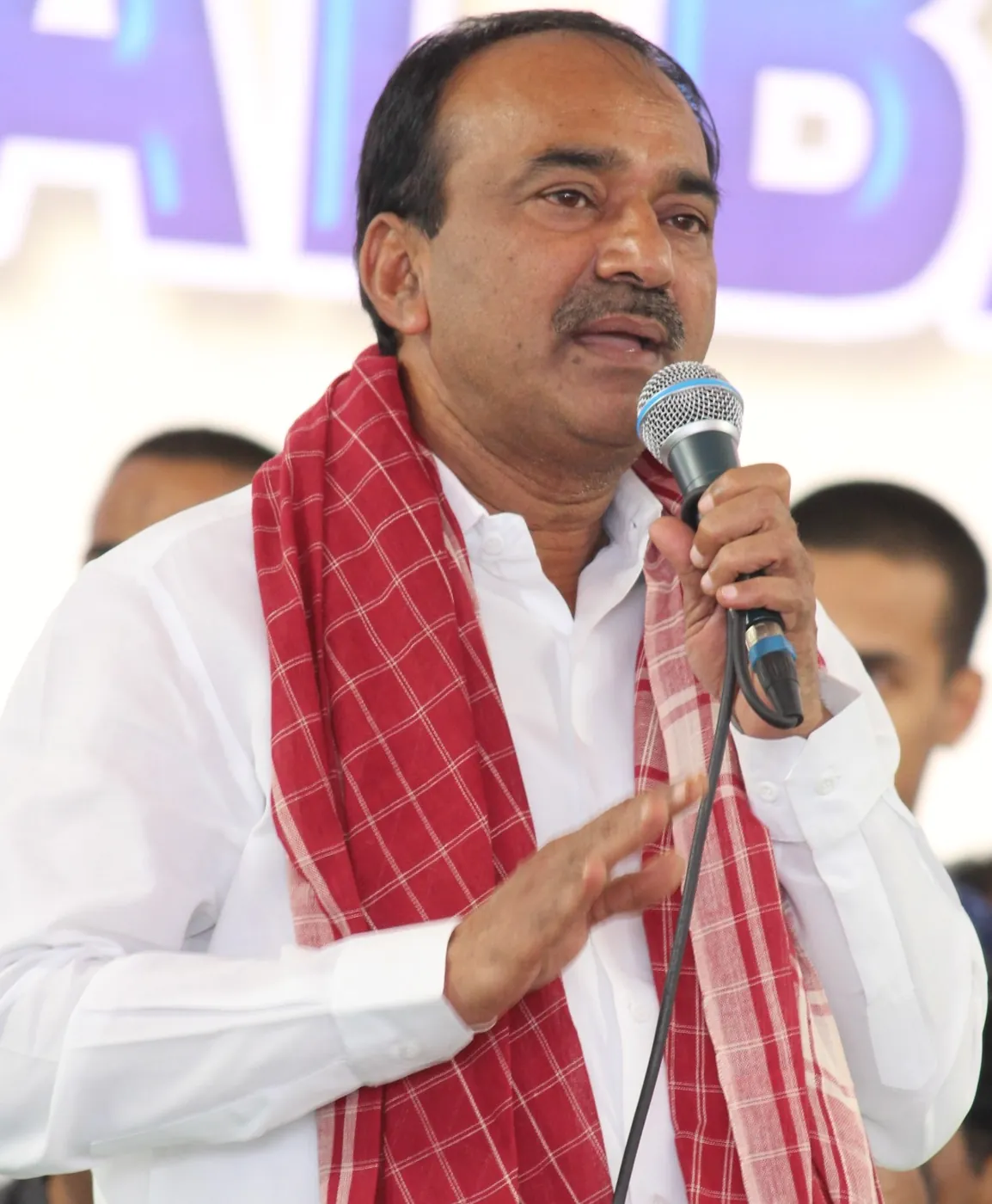
Inaugural Finance Minister.
Credit: Batthini Vinay Kumar Goud · CC BY-SA 4.0 · source
1. The 2014 election: a mandate before the appointed day
Telangana’s first elected government emerged from an election held before the new state legally came into existence. Polling in the Telangana region took place on 30 April 2014 and counting was held on 16 May. Telangana Rashtra Samithi won 63 of the 119 Assembly seats, crossing the majority mark of 60. Congress won 21 and Telugu Desam Party 15. These are the election results, not the altered party strengths recorded later in the Assembly’s term. TRS was renamed Bharat Rashtra Samithi in 2022.
The result gave K. Chandrashekar Rao a legislative basis for forming a government, but it should not be described as a unanimous regional verdict. Different parties and social organisations had participated in statehood politics, and voters also considered candidates, welfare promises and local issues. A sound explanation separates three events: Parliament’s enactment of reorganisation, the electoral choice of representatives and the appointed day on which the state began functioning. Electoral victory selected the governing party; it did not itself create Telangana.
- Polling: 30 April 2014; counting: 16 May 2014.
- TRS: 63 of 119 seats; simple-majority mark: 60.
- Use the contemporary party name TRS for 2014 events.
Timeline
30 April 2014
Polling in the Telangana region.
16 May 2014
Counting; TRS wins 63 Assembly seats.
2 June 2014
State formation and oath of the Chief Minister plus eleven ministers.
9 June 2014
First Assembly meets.
10 June 2014
S. Madhusudhana Chary elected Speaker.
12 June 2014
Padma Devender Reddy elected Deputy Speaker.
2 July 2014
K. Swamy Goud elected Council Chairman.
8 August 2014
Order constituting the state Public Service Commission.
19 August 2014
Samagra Kutumba Survey.
5 November 2014
Aasara pension order issued.
16 December 2014
Six ministers added to the Council.
December 2014
Ghanta Chakrapani appointed first commission Chairman.
25 January 2015
Srihari replaces Rajaiah as Deputy CM; Education, Energy and Health redistributed.
11 October 2016
District reorganisation increases ten districts to thirty-one.
2. Formation day and constitutional responsibility
Telangana came into existence on 2 June 2014 under the Andhra Pradesh Reorganisation Act, 2014. Governor E. S. L. Narasimhan administered the oath to K. Chandrashekar Rao and eleven other ministers at Raj Bhavan in Hyderabad. The initial Council therefore contained twelve members including the Chief Minister, not eighteen. The oath marked a transfer from mobilisation for statehood to responsibility for administration, budgeting and public services. It also required the new executive to work within the Constitution rather than a movement’s organisational rules.
The Chief Minister retained several important subjects in the initial allocation: welfare of Scheduled Castes, Scheduled Tribes, Backward Classes and minorities; Municipal Administration and Urban Development; Energy; Coal; General Administration; and subjects not otherwise allotted. This concentration reflected the initial distribution of work, not an unchanging arrangement throughout the ministry’s term. Constitutionally, the Council aids and advises the Governor and is collectively responsible to the Legislative Assembly. For analysis, distinguish individual departmental supervision from the Council’s shared accountability for government policy and expenditure.
- Formation and first ministry: 2 June 2014.
- Initial strength: Chief Minister plus eleven ministers.
- Collective responsibility is to the Legislative Assembly.
Turning a statehood mandate into accountable government
- 1. Elect representatives and establish a legislative majority.
- 2. Constitute the state and swear in the Council of Ministers.
- 3. Allocate departments and organise legislative scrutiny.
- 4. Build recruitment, information and welfare-administration systems.
- 5. Fund implementation and coordinate bifurcation-related responsibilities.
- 6. Evaluate inclusion, service quality and fiscal sustainability.
3. Deputy Chief Ministers and the January 2015 change
The first ministry had two Deputy Chief Ministers. Mohammed Mahmood Ali received Revenue, Relief and Rehabilitation, Urban Land Ceiling, and Stamps and Registration. T. Rajaiah received Medical and Health. Deputy Chief Minister is a political designation within the Council, not a separate constitutional executive office with an independent succession entitlement. The arrangement can be examined as an attempt at social representation and distribution of responsibility. It should not be mistaken for the creation of two additional constitutional authorities parallel to the Chief Minister.
On 25 January 2015, Rajaiah was removed from the Council and Kadiyam Srihari was inducted as Deputy Chief Minister with Education. In the accompanying redistribution, G. Jagadish Reddy moved from Education to Energy and C. Laxma Reddy moved from Energy to Medical and Health. Thus Srihari replaced Rajaiah as a deputy, but did not inherit his health portfolio. Contemporary reporting discussed the swine-flu response and allegations concerning the department; allegations should not be converted into findings of guilt in historical notes.
- Mahmood Ali: Revenue-related departments, not Home in the initial allocation.
- Rajaiah’s replacement occurred on 25 January 2015.
- Srihari received Education; Laxma Reddy received Health.
| Snapshot | Minister or ministers | Allocated subjects |
|---|---|---|
| June 2014 | K. Chandrashekar Rao | Chief Minister; SC/ST/BC/Minorities Welfare, MA&UD, Energy, Coal, GAD and unallocated subjects |
| June 2014 | Mohammed Mahmood Ali; T. Rajaiah | Deputy CMs: Revenue, Relief and Rehabilitation, ULC, Stamps and Registration; Medical and Health, respectively |
| June 2014 | Nayani Narasimha Reddy; Etela Rajender | Home, Prisons, Fire Services, Sainik Welfare, Labour and Employment; Finance and Planning, Small Savings, State Lotteries, Consumer Affairs, Legal Metrology and Civil Supplies, respectively |
| June 2014 | Pocharam Srinivas Reddy; T. Harish Rao | Agriculture, Horticulture, Sericulture, Animal Husbandry, Fisheries, Dairy Development Corporation, Seeds Corporation; Irrigation, Marketing and Legislative Affairs, respectively |
| June 2014 | T. Padma Rao Goud; P. Mahender Reddy; K. T. Rama Rao | Excise and Prohibition; Transport; Panchayat Raj and IT, respectively |
| June 2014 | Jogu Ramanna; G. Jagadish Reddy | Forest and Environment; Education, respectively |
| 16 December 2014 additions | Tummala Nageswara Rao; Talasani Srinivas Yadav | Roads and Buildings, Women and Child Development; Commercial Taxes and Cinematography, respectively |
| 16 December 2014 additions | A. Indrakaran Reddy; Jupally Krishna Rao | Housing, Law and Endowments; Industries, Handlooms and Textiles, Sugar, respectively |
| 16 December 2014 additions | Ajmeera Chandulal; C. Laxma Reddy | ST Development, Tourism and Culture; Energy, respectively |
| December 2014 additional charges | Jogu Ramanna; T. Padma Rao Goud | BC Welfare; Sports and Youth Services, respectively |
4. Reading the June ministry and December expansion accurately
The June portfolio list linked Etela Rajender with Finance and Planning, Nayani Narasimha Reddy with Home, T. Harish Rao with Irrigation, and K. T. Rama Rao with Panchayat Raj and Information Technology. Pocharam Srinivas Reddy held Agriculture and a range of allied subjects, including Animal Husbandry, Fisheries and Dairy Development. Jogu Ramanna held Forest and Environment, P. Mahender Reddy Transport, G. Jagadish Reddy Education, and T. Padma Rao Goud Excise and Prohibition. These assignments must be dated rather than reconstructed from later ministerial biographies.
Six ministers joined on 16 December 2014, taking the Council to eighteen including the Chief Minister. Tummala Nageswara Rao received Roads and Buildings and Women and Child Development; Talasani Srinivas Yadav Commercial Taxes and Cinematography; A. Indrakaran Reddy Housing, Law and Endowments; Jupally Krishna Rao Industries, Handlooms and Textiles, and Sugar; Ajmeera Chandulal ST Development, Tourism and Culture; and C. Laxma Reddy Energy. Sports and Youth Services were added to Padma Rao’s responsibilities and BC Welfare to Jogu Ramanna’s. Later allocations cannot be backdated to December.
- June: twelve members; December: eighteen members.
- December entry did not make Laxma Reddy Health Minister immediately.
- Talasani’s December subjects were Commercial Taxes and Cinematography.
- Jupally’s December subjects included Industries, not Panchayat Raj.
5. The first legislature and its officers
The first Assembly met on 9 June 2014. K. Jana Reddy served as pro tem Speaker before S. Madhusudhana Chary was elected Speaker on 10 June. Padma Devender Reddy became Deputy Speaker on 12 June. Jana Reddy was also the Assembly’s Leader of the Opposition. These roles should be separated carefully: presiding officers regulate legislative proceedings, the government conducts executive business, and the opposition scrutinises it. Election to the Speaker’s chair is not appointment to the Council of Ministers or allocation of an administrative department.
In the Legislative Council, K. Swamy Goud was elected Chairman on 2 July 2014; Nethi Vidyasagar Rao served as Deputy Chairman, and D. Srinivas was the early Leader of the Opposition. The Council’s formation involved reorganisation of an existing bicameral system rather than the invention of a second chamber from nothing. For a mains answer, legislative institution-building means more than identifying office-holders. Debate, questions, committees, budget scrutiny and impartial presiding practice determine whether the new institutions translate regional self-government into effective democratic accountability.
- Assembly Speaker: S. Madhusudhana Chary.
- Deputy Speaker: Padma Devender Reddy.
- Council Chairman: K. Swamy Goud; Deputy Chairman: Nethi Vidyasagar Rao.
- Assembly Opposition: K. Jana Reddy; early Council Opposition: D. Srinivas.
6. Recruitment institutions and public identity
The new state required a recruitment institution of its own to turn employment expectations into rule-based selection. The Public Service Commission was constituted under Article 315 through G.O.Ms.No.43, General Administration Department, dated 8 August 2014; its functions fall under Article 320. Ghanta Chakrapani became its first Chairman in December 2014. Contemporary records use the historical abbreviation TSPSC; these notes use TGPSC for the examination body. The constitution order and appointment of the first leadership are distinct institutional milestones, not interchangeable establishment dates.
State symbols supplied a different kind of institutional foundation: a publicly recognisable identity. The government identifies Palapitta, the Indian roller, as the state bird; Jinka, deer, as the animal; Jammi Chettu as the tree; and Tangedu as the flower. The association of these symbols with regional ecology and festivals made identity visible in everyday public life. Symbolic recognition and administrative reform nevertheless perform different functions. Cultural acknowledgement can strengthen belonging, but recruitment fairness, service delivery and equal citizenship require procedures and sustained institutional capacity beyond symbols.
- Commission constitution order: 8 August 2014.
- First Chairman: Ghanta Chakrapani.
- Bird: Palapitta; animal: Jinka; tree: Jammi; flower: Tangedu.
7. Early decisions: information, welfare and development
The Samagra Kutumba Survey was conducted on 19 August 2014 to collect household information for the new state’s planning and welfare administration. The Aasara pension order, G.O.Ms.No.17 dated 5 November 2014, explicitly connected the survey with identification of eligible beneficiaries. Aasara was intended to support vulnerable groups including older persons, widows, persons with disabilities, weavers and toddy tappers. Distinguish the date of an authorising order from a ceremonial launch or the date from which benefits become payable; these are different administrative events.
The early policy agenda also included agricultural loan relief and efforts to address irrigation, drinking water, electricity and industrial investment. The 2015 Socio Economic Outlook is useful as the government’s contemporary statement of these priorities, but its achievements narrative is not an independent impact evaluation. For answer writing, connect objectives with implementation requirements: fiscal space for recurring benefits, reliable beneficiary records, coordination between departments, and public disclosure of results. A survey can improve targeting, yet omissions and recording errors require correction procedures and accessible appeals rather than automatic exclusion.
- Samagra Kutumba Survey: 19 August 2014.
- Aasara authorising order: 5 November 2014.
- Distinguish policy announcement, budget provision, implementation and outcomes.
- Assess inclusion errors and exclusion errors together.
8. Administrative restructuring and new-state constraints
Although the chapter centres on 2014, the expansion from ten districts to thirty-one on 11 October 2016 shows how the first government pursued administrative redesign. Twenty-one additional districts were created to bring district-level administration closer to residents. This was not Telangana’s district count on formation day, and it should not be confused with the later total of thirty-three. Smaller districts may reduce travel and improve official access, but their performance depends on staffing, buildings, records, transport links and effective coordination with local governments.
Bifurcation also left problems that no cabinet reshuffle could solve alone. Division of personnel, institutions, assets and liabilities required legal and intergovernmental processes. Water and power questions needed technical coordination as well as political negotiation. Hyderabad’s economic concentration offered a revenue and investment base while raising the challenge of balanced development outside the capital. A strong mains answer therefore avoids assuming that a smaller state is automatically more efficient. Administrative proximity creates an opportunity; adequate resources, transparent rules and accountable local institutions determine whether citizens actually benefit.
- District trajectory: ten in 2014 to thirty-one in October 2016.
- Do not project the later thirty-three-district map onto 2014.
- Administrative decentralisation is not identical to elected local-government empowerment.
From movement to state: assessing the outcome
Telangana statehood fulfilled the central constitutional demand for a separate state and created a government accountable to a distinct regional electorate. Supporters viewed this as a means to give greater attention to irrigation, employment, cultural recognition and local priorities. The first ministry, legislature, recruitment commission and welfare initiatives demonstrate the conversion of that aspiration into governing institutions. This achievement should be situated within a broad history of parties, students, employees, cultural organisations and parliamentary action rather than attributed exclusively to one leader or a single organisation.
A balanced assessment must also distinguish political achievement from the completion of social transformation. Critics and civil-society perspectives ask whether employment opportunities, public services, land rights and decision-making power reached disadvantaged groups and less-developed districts. Fiscal sustainability, recruitment integrity, the strength of legislative scrutiny and the relationship between Hyderabad and the wider state remain appropriate evaluative questions. The closing judgement is therefore conditional: statehood changed the scale and location of political accountability, while substantive justice depends on continuing democratic participation, institutional checks and evidence about distributional outcomes.
- Achievement: constitutional statehood and a distinct arena of accountability.
- Test outcomes across regions, classes, castes, genders and rural–urban locations.
- Distinguish the history of mobilisation from appraisal of a government’s performance.
- Conclude with institutions and measurable outcomes, not partisan praise or blame.
Real-world case studies
A replacement is not an identical portfolio transfer
The January 2015 change illustrates why political designation and departmental work must be tracked separately. Srihari became Deputy Chief Minister with Education; Laxma Reddy received Health and Jagadish Reddy received Energy. A question asking who replaced Rajaiah as Deputy CM has a different answer from one asking who next held Health.
Household information and welfare entitlement
The August 2014 household survey and November Aasara order show how information collection was connected to welfare targeting. Better data can reduce duplication, but eligibility verification still requires transparent rules, correction of omissions and appeals. Administrative speed should be evaluated alongside protection against wrongful exclusion.
Smaller districts, conditional gains
The 2016 district reorganisation sought greater administrative proximity. Reduced distance to offices is a plausible benefit, but new boundaries alone do not demonstrate improved welfare. Evaluation should examine staff availability, travel time, grievance resolution, expenditure and participation rather than count districts as an outcome in itself.
Previous year questions
No source-linked PYQ is available here yet. Use the practice questions below.
Practice questions
Practice MCQ 1 · Easy
How many members, including the Chief Minister, took oath in Telangana’s initial ministry?
- Eleven
- Twelve
- Seventeen
- Eighteen
Practice MCQ 2 · Moderate
Which pair correctly describes the December 2014 allocation?
- C. Laxma Reddy — Medical and Health
- Jupally Krishna Rao — Panchayat Raj
- Talasani Srinivas Yadav — Commercial Taxes and Cinematography
- G. Jagadish Reddy — Energy
Practice MCQ 3 · Easy
Who became Deputy Chief Minister with Education on 25 January 2015?
- T. Rajaiah
- Kadiyam Srihari
- Mohammed Mahmood Ali
- C. Laxma Reddy
Practice MCQ 4 · Moderate
Which sequence is chronological?
- Survey → formation → expansion
- Formation → survey → expansion
- Expansion → survey → formation
- Survey → expansion → formation
Practice MCQ 5 · Moderate
Which statement about institutional dates is correct?
- The commission constitution order dates to August 2014
- Thirty-one districts existed on formation day
- The December expansion created the state
- The Speaker took oath as Chief Minister
Practice MCQ 6 · Easy
Which set correctly identifies Telangana’s symbols?
- Peacock, tiger, neem, lotus
- Palapitta, Jinka, Jammi, Tangedu
- Palapitta, tiger, banyan, rose
- Sparrow, Jinka, teak, jasmine
Mains practice · Examine the governance challenges involved in converting Telangana’s statehood movement into an accountable state administration.
- Separate constitutional state formation from electoral government formation.
- Explain personnel, institutional and resource allocation after bifurcation.
- Discuss employment expectations, recruitment capacity and welfare delivery.
- Assess legislative scrutiny and social representation.
- Conclude with transparent evaluation and intergovernmental cooperation.
Mains practice · Does administrative proximity necessarily produce inclusive development? Discuss with reference to Telangana’s early institution-building and district reorganisation.
- Explain the 2014 institutional baseline and the 2016 ten-to-thirty-one change.
- Identify possible access and coordination gains.
- Distinguish administrative deconcentration from democratic decentralisation.
- Examine staffing, finance, infrastructure and grievance redress.
- Suggest distribution-sensitive indicators instead of relying on district counts.
Mains practice · Assess Telangana statehood as both a constitutional achievement and an unfinished agenda of social justice.
- Recognise the achievement of a separate state and regional accountability.
- Acknowledge the movement’s multiple social and political participants.
- Examine welfare, jobs, irrigation and regional balance as evaluative concerns.
- Consider disadvantaged groups and the Hyderabad–hinterland relationship.
- Distinguish government claims, independent evidence and partisan interpretation.
Further reading
- https://www.thehindu.com/news/national/telangana/portfolios-of-the-council-of-ministers-in-telangana/article6075327.ece
- https://www.newindianexpress.com/cities/hyderabad/2014/Dec/17/first-timer-gets-energy-boost-695286.html
- https://www.thehindu.com/news/national/telangana/telangana-deputy-chief-minister-sacked/article10644025.ece
- https://ceotelangana.nic.in/Archives/StasticalReports/StatisticalReports.htm
- https://website.tgpsc.gov.in/Functions.jsp
- https://telangana.gov.in/wp-content/uploads/2023/05/Socio-Economic-outlook-2015.pdf
- https://www.telangana.gov.in/about/state-symbols/
- https://medchal-malkajgiri.telangana.gov.in/history/
- https://en.wikipedia.org/wiki/First_K._Chandrashekar_Rao_ministry
- https://www.thehindu.com/news/national/telangana/madhusudhana-chary-is-speaker-of-telangana-assembly/article6100834.ece
- https://www.thehindu.com/news/national/telangana/padma-devender-reddy-elected-dy-speaker/article6108405.ece
- https://www.thehindu.com/news/national/telangana/swamy-goud-elected-telangana-council-chairman/article6170577.ece
- https://wdsc.telangana.gov.in/PwD/GOs/GO.Ms.No%2017%20Asara%20Pension.PDF
Preparing for TGPSC Group 1 or Group 2? See the TGPSC Groups coaching course at Pragnya IAS Academy for fees, batches and registration.
Long study hours taking a toll? Try the free breathing exercise and self check-in in Pragnya’s student wellness programme for UPSC aspirants.