
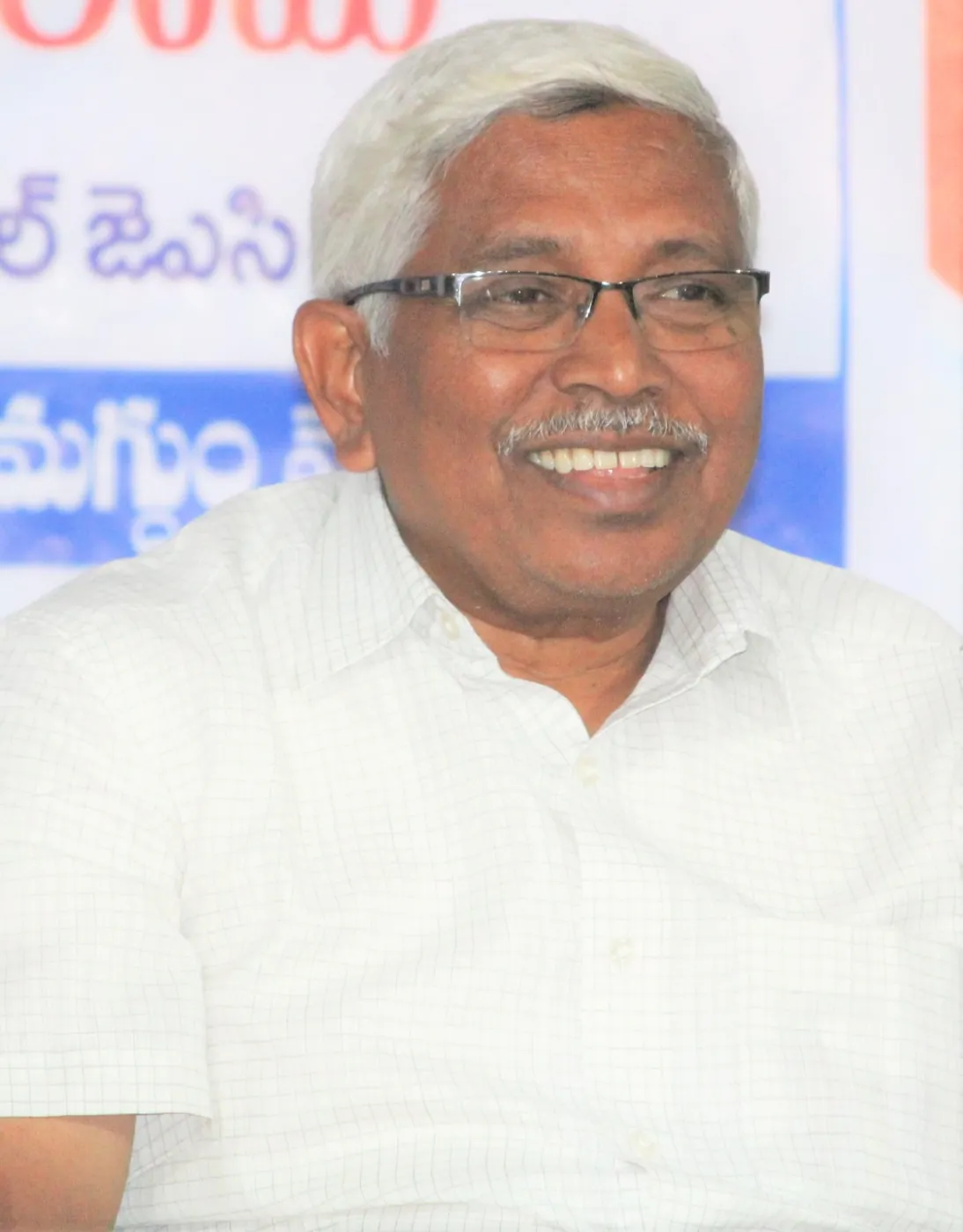
M. Kodandaram: the Political JAC’s convener.
Credit: Batthini Vinay Kumar Goud · CC BY-SA 4.0 · source
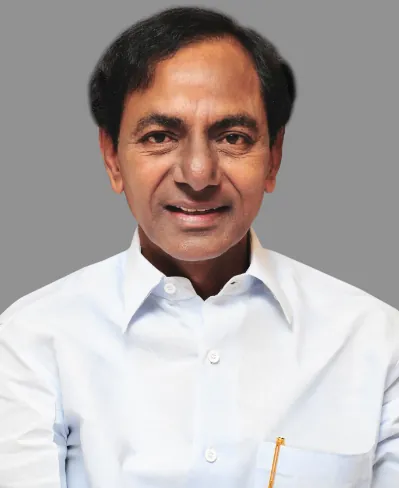
K. Chandrashekar Rao: TRS leader associated with the joint statehood platform.
Credit: Digital Media Telangana Government · CC BY-SA 4.0 · source
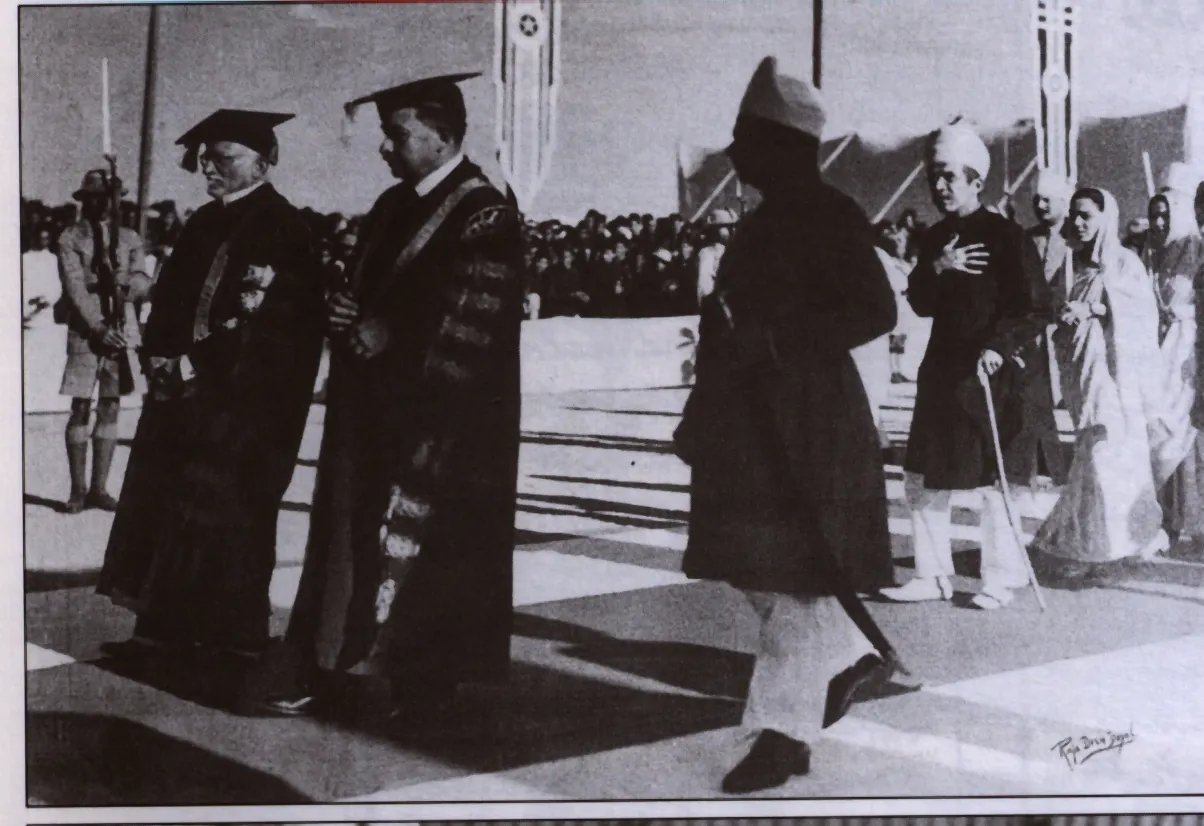
Osmania University: campus architecture as context for Hyderabad’s academic and student networks, not a JAC office.
Credit: Nayeem · Public domain · source
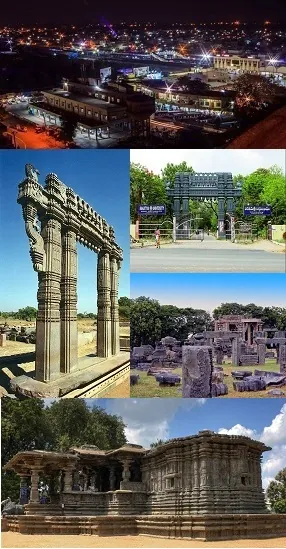
Warangal: a historical district centre within the movement’s regional network.
Credit: JohnnyBlaze007 · CC BY-SA 4.0 · source

T. Harish Rao: Siddipet’s TRS representative in the 2010 by-election cycle.
Credit: Vamshi rao · CC BY-SA 4.0 · source
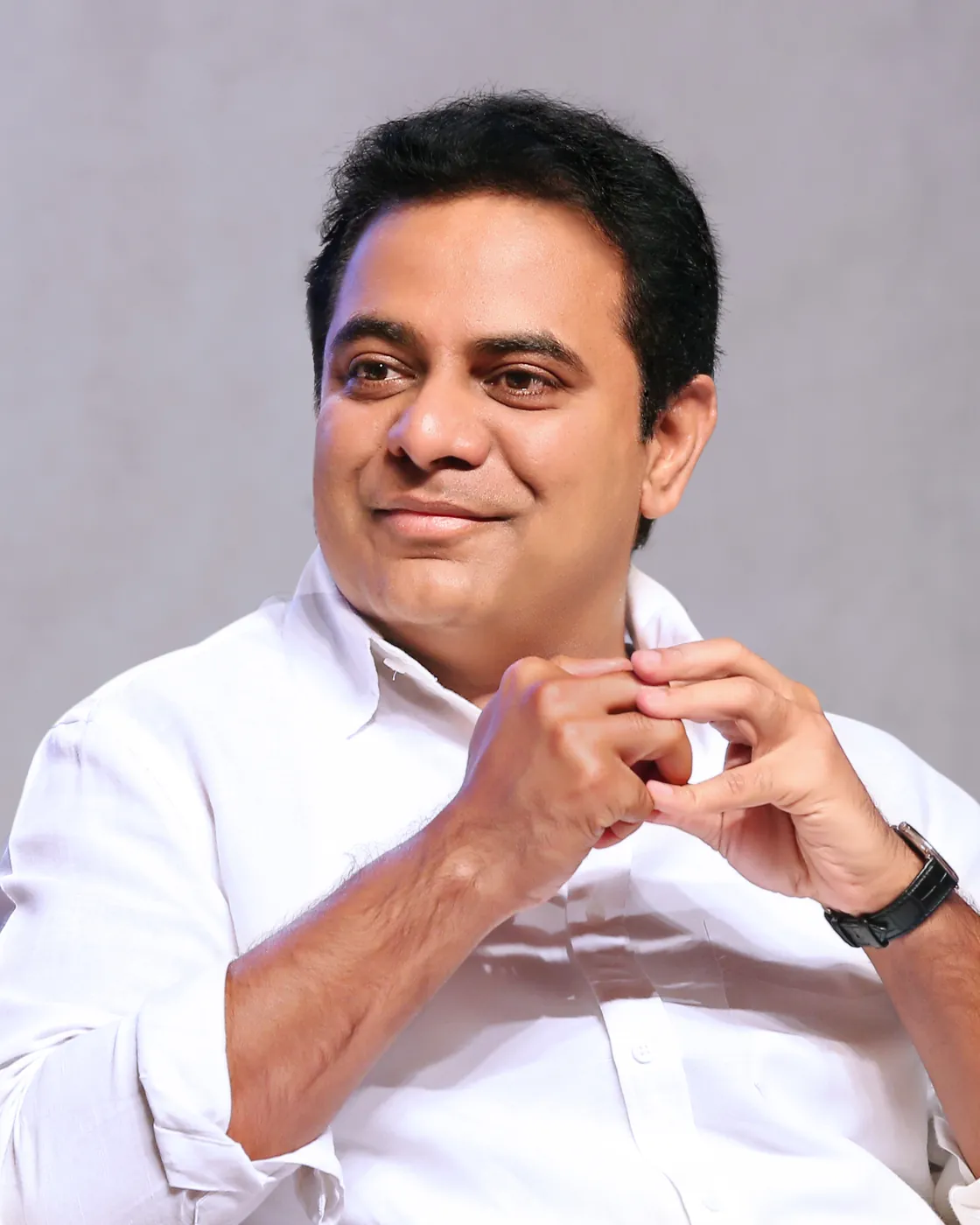
K. T. Rama Rao: returned from Sircilla in the July 2010 by-election.
Credit: Rama Krishna Vallapudasu · CC BY-SA 4.0 · source
1. Formation: a common platform after December 2009
The Telangana Political Joint Action Committee emerged on 24 December 2009, with Prof. M. Kodandaram as its convener, also described in contemporary reporting as chairman. Its immediate setting was the Union government’s change of emphasis from initiating the state-formation process to holding wider consultations. Supporters of Telangana understood that shift as a retreat. The JAC offered a shared platform through which regional leaders and public organisations could coordinate their response without first merging their parties or abandoning their separate identities.
The founding mobilisation brought together Telangana representatives of Congress, Telugu Desam, TRS, BJP and Praja Rajyam, alongside public forums. This should not be confused with an unchanging alliance of their entire statewide organisations. Participation and relations changed as disagreements developed over resignations and strategy. TRS was a central political participant, but the JAC was not simply another name for that party. Use TRS for the movement period; the party was renamed Bharat Rashtra Samithi in 2022, well after Telangana’s formation.
- Formation: 24 December 2009.
- Kodandaram: coordinating leader, not a government office-holder in this capacity.
- Wider consultations were not the same as a completed statehood decision.
- Distinguish regional representatives from statewide party consensus.
Timeline
24 December 2009
Political JAC formed under Kodandaram’s coordinating leadership.
27 July 2010
Polling in twelve Telangana Assembly by-elections; final result: TRS eleven, BJP one.
17 February–4 March 2011
Non-cooperation: Administrative non-cooperation and occupational protest.
1 March 2011
Palle Palle Pattalapaiki: Village-linked rail roko.
10 March 2011
Million March: Mass mobilisation at Tank Bund.
19 June 2011
Vanta-Varpu: Collective cooking and eating on Hyderabad roads.
13 September–24 October 2011
Sakala Janula Samme: General strike; sectoral participation varied.
30 September 2012
Telangana March / Sagara Haram: Mass march at Necklace Road.
21 March 2013
Sadak Bandh: Highway blockade on Hyderabad–Kurnool corridor.
29–30 April 2013
Sansad Yatra: Delhi protest at Jantar Mantar.
14 June 2013
Chalo Assembly: Attempted convergence on the state legislature.
2 June 2014
Telangana came into being following the constitutional state-formation process.
2. Organisation: steering, district coordination and sectoral autonomy
The JAC’s organising principle was coordination across institutions that already possessed their own memberships. A central leadership and steering arrangements could frame a common programme, while district conveners and local committees translated that programme into meetings, transport arrangements, publicity and participation. District organisation mattered because a movement confined to Hyderabad could be dismissed as a metropolitan event. Local mobilisation brought public offices, educational centres, mining areas and villages into the same political calendar. District roles should be explained without assuming an identical committee structure everywhere.
Employee associations, students, lawyers and cultural groups had distinctive resources and responsibilities. Their own JACs and unions could decide how to participate under the larger umbrella, as contemporary reporting on non-cooperation explicitly recognised. Such autonomy broadened participation but also complicated decisions about escalation and withdrawal. The structure is best understood as a negotiated network rather than a permanent chain of command. A reliable complete roster of district conveners and the reference’s exact office-shifting chronology have not been established here and are therefore not presented as memorisation facts.
- Central platform: common calendar and public articulation.
- District conveners: local coordination and mobilisation.
- Sectoral bodies: workplace- or campus-specific decisions.
- Broad coalition did not eliminate internal disagreements.
How coordinated mobilisation sustained pressure
- 1. Political uncertainty encouraged a common platform.
- 2. Central calls were adapted by district and sectoral bodies.
- 3. Elections, non-cooperation and cultural programmes widened participation.
- 4. Strikes and marches increased political visibility and public costs.
- 5. Negotiations and renewed programmes sustained the demand.
- 6. Union decisions and parliamentary legislation enabled state formation.
3. Electoral mobilisation and the 2010 by-elections
Resignations linked the street movement to representative institutions. By leaving their seats over the statehood demand, legislators asked voters to judge their position through fresh elections. Polling in twelve Telangana Assembly constituencies took place on 27 July 2010. The final outcome was eleven seats for TRS and one for BJP. These were Assembly by-elections, not a parliamentary election, a general election across Telangana, or a legally constituted referendum. Their significance lay in providing a visible electoral endorsement in the particular constituencies that voted.
The vacancies had arisen from the resignations of ten TRS legislators and one legislator each from TDP and BJP. The former TDP legislator subsequently contested successfully as a TRS candidate, explaining why the party’s winning total exceeded the number of its resigning members. Counting began on 30 July and some results followed on 31 July. For mains analysis, describe the movement’s presentation of the contest as a popular verdict, but retain the distinction between a political interpretation and the formal legal character of an election.
- Poll: 27 July 2010; final results extended into 31 July.
- Outcome: TRS 11, BJP 1.
- The JAC itself was not the electoral party on the ballot.
- Electoral endorsement did not itself create a new state.
| Programme | Verified date or span | Form and focus |
|---|---|---|
| Non-cooperation | 17 February–4 March 2011 | Administrative non-cooperation and occupational protest |
| Palle Palle Pattalapaiki | 1 March 2011 | Village-linked rail roko |
| Million March | 10 March 2011 | Mass mobilisation at Tank Bund |
| Vanta-Varpu | 19 June 2011 | Collective cooking and eating on Hyderabad roads |
| Sakala Janula Samme | 13 September–24 October 2011 | General strike; sectoral participation varied |
| Telangana March / Sagara Haram | 30 September 2012 | Mass march at Necklace Road |
| Sadak Bandh | 21 March 2013 | Highway blockade on Hyderabad–Kurnool corridor |
| Sansad Yatra | 29–30 April 2013 | Delhi protest at Jantar Mantar |
| Chalo Assembly | 14 June 2013 | Attempted convergence on the state legislature |
4. Non-cooperation and Palle Palle Pattalapaiki
Non-cooperation began on 17 February 2011 as supporters pressed for a Telangana bill in Parliament. The campaign combined workplace protest with calls to withhold ordinary cooperation from government systems, including revenue collection and public-transport payments. The commonly recorded campaign span is 17 February–4 March, distinct from the later general strike. Employees and teachers were particularly important because their daily work connected a regional political demand to the functioning of administration. Participation nevertheless varied by occupation, organisation and place rather than following one uniform pattern.
Palle Palle Pattalapaiki connected village mobilisation to railway disruption on 1 March 2011. The programme’s form was rail roko: demonstrators sought to bring attention to the demand by obstructing railway movement. Its significance was organisational as well as disruptive, linking dispersed rural settlements with transport corridors carrying national traffic. Do not convert a protest call into advice to obstruct transport today. In historical analysis, examine the pressure generated, the coordination required and the inconvenience faced by passengers and other citizens, while avoiding unverified totals of affected trains or protest sites.
- Non-cooperation: 17 February–4 March 2011.
- Palle Palle Pattalapaiki: 1 March 2011 rail roko.
- Separate refusal of administrative cooperation from complete work stoppage.
- Assess both political visibility and public inconvenience.
5. Million March: mobilisation and the statue controversy
The Million March took place on 10 March 2011 at Tank Bund in Hyderabad. Its name expressed an intended scale of mobilisation, not a verified attendance figure. Restrictions, detentions and examination schedules formed part of the setting in which supporters attempted to reach the venue. The event showed that the JAC could make a prominent urban public space a focus of statehood politics. Students, employees, professionals and political activists participated, but the crowd should not be treated as a single organisation with an identical motive for every action.
The damage to statues on Tank Bund and attacks affecting journalists became central to the event’s public reception. Some participants connected the controversy to perceived under-representation of Telangana in public commemoration; that argument does not justify vandalism or attacks on the press. Others understood the damage as an assault on shared Telugu cultural heritage. A balanced answer distinguishes the statehood demand from unlawful acts, and organisers’ stated positions from the actions of particular individuals. Avoid unsupported statue totals or blanket allegations against either Telangana supporters or Seemandhra residents.
- Date and venue: 10 March 2011, Tank Bund.
- Million March is a programme name, not a certified crowd count.
- Explain cultural representation without endorsing destruction.
- Distinguish peaceful participants, reported violence and wider public reactions.
6. Vanta-Varpu, print and cultural participation
Vanta-Varpu on 19 June 2011 turned cooking and eating together on Hyderabad’s roads into a public demonstration. It enabled households and occupational groups to participate through a familiar collective activity rather than only through speeches or workplace withdrawal. Contemporary reporting recorded separate kitchens organised by doctors, government employees and electricity employees. The programme also expressed supporters’ insistence that Hyderabad belonged within a future Telangana. This was a political claim made during the movement, not proof that all city residents shared the same view of reorganisation.
Publications and performances provided another route from private grievance to public discussion. Pamphlets, poetry, newspaper commentary and collections of movement writing circulated arguments about employment, resources, language and dignity. Such texts are evidence of political expression, but their numerical or historical claims require independent checking. Writers’ forums and cultural platforms offered spaces for collective authorship, readings and debate. Exact release dates and editorial attributions for minor anthologies are omitted where independent bibliographic confirmation is lacking; their absence should not obscure the larger importance of print culture in sustaining mobilisation.
- Vanta-Varpu: 19 June 2011, collective cooking and eating.
- Household participation broadened the movement’s public repertoire.
- Print joined cultural expression to political argument.
- Treat movement publications as sources to evaluate, not unquestionable authorities.
7. Sakala Janula Samme and essential-service networks
Sakala Janula Samme ran from 13 September to 24 October 2011 and is remembered as the 42-day general strike. Government employees and teachers formed an important base, with participation from transport, mining and other sectors. The aggregate duration does not mean that every organisation stopped work for all forty-two days. Unions joined, negotiated and withdrew at different times. This distinction explains both the strike’s reach and the difficulty of sustaining it. The withdrawal of the remaining employees’ strike followed negotiations, not the immediate grant of statehood.
The RTC in this period was APSRTC, not the later Telangana-specific corporation. Its employees joined the indefinite strike on 19 September, disrupting commuting and inter-regional travel. Singareni workers’ stoppage constrained coal supply and affected thermal-power generation, while electricity employees’ participation also included non-collection of bills. Coal-related shortages and direct power-sector industrial action must therefore be distinguished. Students, daily-wage workers, patients, farmers and small businesses experienced costs. The strike’s historical importance rests on the economic interdependence it exposed, not on unsupported claims that every service stopped everywhere.
- Overall span: 13 September–24 October 2011.
- RTC joined on 19 September; sectoral schedules differed.
- Singareni linked workplace protest to the coal–power chain.
- Withdrawal did not itself settle the statehood question.
8. Renewed pressure: Sagara Haram and the 2013 programmes
The Telangana March, also called Sagara Haram, took place on 30 September 2012 on Necklace Road beside Hussain Sagar. Its lakeside venue should not be confused with the Million March’s Tank Bund focus. Mobilisation, permission disputes, restrictions on access and clashes shaped the event. The march demonstrated the capacity to renew public pressure after the exhaustion of a prolonged strike. It also raised the recurring question of how to reconcile democratic assembly with public safety, protection of property and the routine movement of other residents.
Sadak Bandh on 21 March 2013 targeted the Hyderabad–Kurnool highway corridor. Sansad Yatra then shifted attention to the Union level through a two-day protest at Jantar Mantar on 29–30 April 2013; travel arrangements should not be mistaken for the dates of the Delhi demonstration. Chalo Assembly on 14 June 2013 attempted to focus pressure on the state legislature in Hyderabad. Police prevented much of the planned convergence through restrictions and detentions. Contemporary accounts differed sharply over the proportionality of policing, so present official public-order arguments alongside civil-liberties concerns.
- Sagara Haram: 30 September 2012, Necklace Road.
- Sadak Bandh: 21 March 2013, highway blockade.
- Sansad Yatra: 29–30 April 2013, Jantar Mantar.
- Chalo Assembly: 14 June 2013, Hyderabad.
9. Students, distress and responsible remembrance
Student JACs at Osmania University and Kakatiya University helped connect campuses with the wider movement through meetings, rallies, boycotts and mobilisation networks. They were not simply youth branches of the Political JAC: student groups differed in political affiliation and sometimes challenged established leaders. Campuses provided venues, organisational experience and discussion of employment and regional opportunity. Teaching interruptions, examinations and police restrictions also affected students, including those who did not participate. A serious account therefore recognises student agency while recording the educational and personal pressures generated by prolonged confrontation.
The period also witnessed deaths by suicide that families and movement organisations commemorated in the language of sacrifice. Historical writing must not repeat that language as an endorsement or suggest that any death was necessary to achieve a political goal. No method, sensational detail or unverified aggregate is needed to understand the grief involved. Remembrance should centre dignity, bereaved families, counselling and prevention alongside historical documentation. For anyone experiencing distress now, Tele-MANAS provides free, confidential mental-health support on 14416, available 24x7. Seeking help is compatible with public participation and personal dignity.
- Distinguish student JACs from the Political JAC.
- Osmania and Kakatiya were major campus centres.
- Do not use disputed death totals as established statistics.
- Remember lives respectfully; never romanticise suicide.
- Present-day support: Tele-MANAS 14416, free and available 24x7.
10. Poets, cultural forums and the movement’s historical significance
Dhoom Dhaam combined song, performance and political communication in a form that could travel between meetings and local audiences. Cultural forums and writers’ groups made regional speech, everyday labour and memories of exclusion visible within public debate. Gaddar exemplifies the significance of the singer-performer as a cultural figure whose influence extended beyond one party organisation. Songs were not merely entertainment placed between speeches: performance helped audiences interpret political grievances and recognise themselves as participants. Cultural expression nevertheless remained diverse, and no single forum represented every artistic or social position in Telangana.
The movement’s distinctive strength was the interaction of parties, civil society, workplaces, campuses and cultural networks. Their programmes kept statehood prominent, but constitutional state formation required Union-level political decisions and parliamentary legislation; Telangana came into being on 2 June 2014. Seemandhra concerns over Hyderabad, employment, resources and public disruption also formed part of the contemporary debate and should be acknowledged without attributing one position to an entire population. For TGPSC mains, connect mobilisation to political opportunity while weighing coalition tensions, unequal social costs and the limits of any explanation centred on one leader alone.
- Dhoom Dhaam: composite performance and public communication.
- Writers’ forums connected language, identity and political argument.
- Gaddar: a major singer-performer within a wider cultural field.
- Mobilisation and constitutional decision-making were connected but distinct.
- State formation: 2 June 2014.
Real-world case studies
Sakala Janula Samme: leverage through interconnected services
The 13 September–24 October 2011 strike joined public administration to transport, coal and power networks. Its leverage came from interdependence: a stoppage in mining could affect electricity well beyond the workplace. Yet participation was staggered, and unions faced different wage, service and public pressures. Withdrawal after negotiations without immediate statehood demonstrates the difference between a powerful mobilisation and a decisive constitutional settlement. Assess both organisational capacity and the burdens borne by citizens.
Million March: mobilisation and accountability in one event
Tank Bund on 10 March 2011 became a highly visible site of statehood mobilisation. Statue damage and attacks affecting media workers complicated the organisers’ political message. The case requires separating the legitimacy of a demand from the legality of particular actions. Debates about regional representation in public monuments belong in historical explanation, but do not excuse destruction or establish collective guilt. Neither the programme name nor organisers’ expectations provide a verified attendance count.
Vanta-Varpu: household activity as public political expression
On 19 June 2011, collective cooking on Hyderabad roads created an accessible form of participation for households and occupational groups. Contemporary reporting described participation by people of different regional backgrounds as well as professional JACs. The case challenges a simple opposition between Telangana and Seemandhra communities: political affiliation did not mechanically follow birthplace. Its significance was the conversion of an everyday social practice into a public statement, alongside questions about access to shared roads.
Previous year questions
No source-linked PYQ is available here yet. Use the practice questions below.
Practice questions
Practice MCQ 1 · Easy
Who coordinated the Telangana Political JAC formed in December 2009?
- M. Kodandaram
- A constitutional Governor
- The Election Commission
- A parliamentary presiding officer
Practice MCQ 2 · Moderate
Which pairing correctly identifies Palle Palle Pattalapaiki?
- 19 June 2011 — community cooking
- 1 March 2011 — rail roko
- 30 September 2012 — parliamentary debate
- 14 June 2013 — Assembly election
Practice MCQ 3 · Moderate
What was the final party-wise result in the twelve July 2010 Telangana Assembly by-elections?
- TRS 12, BJP 0
- Congress 11, TRS 1
- TRS 11, BJP 1
- TRS 10, TDP 2
Practice MCQ 4 · Moderate
Which statement best describes participation in Sakala Janula Samme?
- Every union struck for exactly forty-two days
- Only university students participated
- It immediately created Telangana
- Sectoral entry and withdrawal dates differed
Practice MCQ 5 · Easy
Which venue is correctly associated with Sagara Haram in September 2012?
- Jantar Mantar
- Necklace Road
- The Lok Sabha chamber
- The Supreme Court
Practice MCQ 6 · Moderate
Arrange these programmes chronologically: Sadak Bandh, Sansad Yatra, Chalo Assembly.
- Chalo Assembly, Sadak Bandh, Sansad Yatra
- Sansad Yatra, Chalo Assembly, Sadak Bandh
- Sadak Bandh, Sansad Yatra, Chalo Assembly
- Sansad Yatra, Sadak Bandh, Chalo Assembly
Mains practice · Explain how the Telangana Political JAC converted a statehood demand into sustained mass mobilisation.
- Set out the December 2009 context and Kodandaram’s coordinating role.
- Explain district networks and sectoral autonomy.
- Connect elections, strikes, marches and cultural programmes.
- Assess coalition disagreements and public costs.
- Distinguish mobilisation from constitutional state formation.
Mains practice · Analyse Sakala Janula Samme as a form of political pressure. What were its strengths and limitations?
- Identify the 13 September–24 October 2011 span.
- Explain the administration–transport–coal–power connections.
- Note staggered participation and differentiated union interests.
- Evaluate effects on education, livelihoods and essential services.
- Explain why strike withdrawal was not equivalent to statehood.
Mains practice · Assess the role of students and cultural forums in the Telangana movement, with attention to democratic responsibility.
- Discuss Osmania and Kakatiya student networks.
- Explain autonomy and tensions with established leadership.
- Analyse songs, performance, print and regional language.
- Distinguish legitimate protest from vandalism and intimidation.
- Use dignified remembrance and a prevention-oriented approach to distress.
Further reading
- https://www.thehindu.com/news/national/andhra-pradesh/Show-of-strength-by-Telangana-JAC/article16855159.ece
- https://www.thehindu.com/news/national/andhra-pradesh/TRS-wins-11-out-of-12-seats-in-by-elections/article16217074.ece
- https://en.wikipedia.org/wiki/Early_2011_Telangana_protests
- https://www.rediff.com/news/report/telangana-strike-ends-after-42-days-without-tangible-results/20111025.htm
- https://www.newindianexpress.com/states/andhra-pradesh/2013/Apr/30/tjacs-sansad-yatra-heats-up-delhi-on-telangana-472863.html
- https://indianexpress.com/article/news-archive/latest-news/ap-govt-police-intimidate-people-to-scuttle-protests-for-telangana-statehood/
- https://docs.lib.purdue.edu/cgi/viewcontent.cgi?article=4290&context=clcweb
- https://www.pib.gov.in/PressReleasePage.aspx?PRID=1866498&lang=1®=3
- https://www.rediff.com/news/report/telangana-activists-cook-and-eat-on-hyderabad-roads/20110619.htm
- https://www.thehindu.com/news/national/andhra-pradesh/all-eyes-on-sadak-bandh-today/article4532847.ece
- https://www.ndtv.com/cities/telangana-strike-paralyses-transport-services-468036
- https://en.wikipedia.org/wiki/2012_Telangana_protests
- https://www.telangana.gov.in/about/state-profile/
- https://timesofindia.indiatimes.com/city/hyderabad/kodandaram-rise-of-a-t-roubleshooter/articleshow/5486454.cms
- https://www.thehindu.com/news/national/telangana/election-commission-clears-the-road-for-trs-to-become-brs/article66239073.ece
Preparing for TGPSC Group 1 or Group 2? See the TGPSC Groups coaching course at Pragnya IAS Academy for fees, batches and registration.
Long study hours taking a toll? Try the free breathing exercise and self check-in in Pragnya’s student wellness programme for UPSC aspirants.