
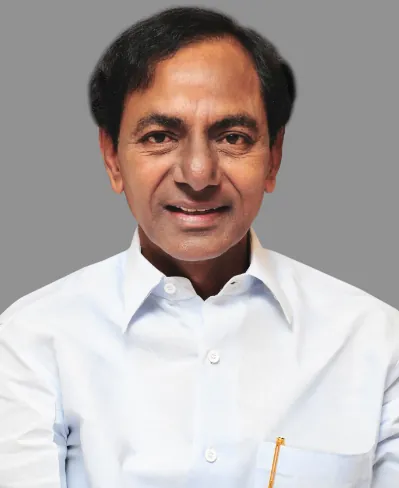
K. Chandrashekar Rao, Former Minister of Labour and Employment of the Republic of India
Credit: Digital Media Telangana Government · CC BY-SA 4.0 · source
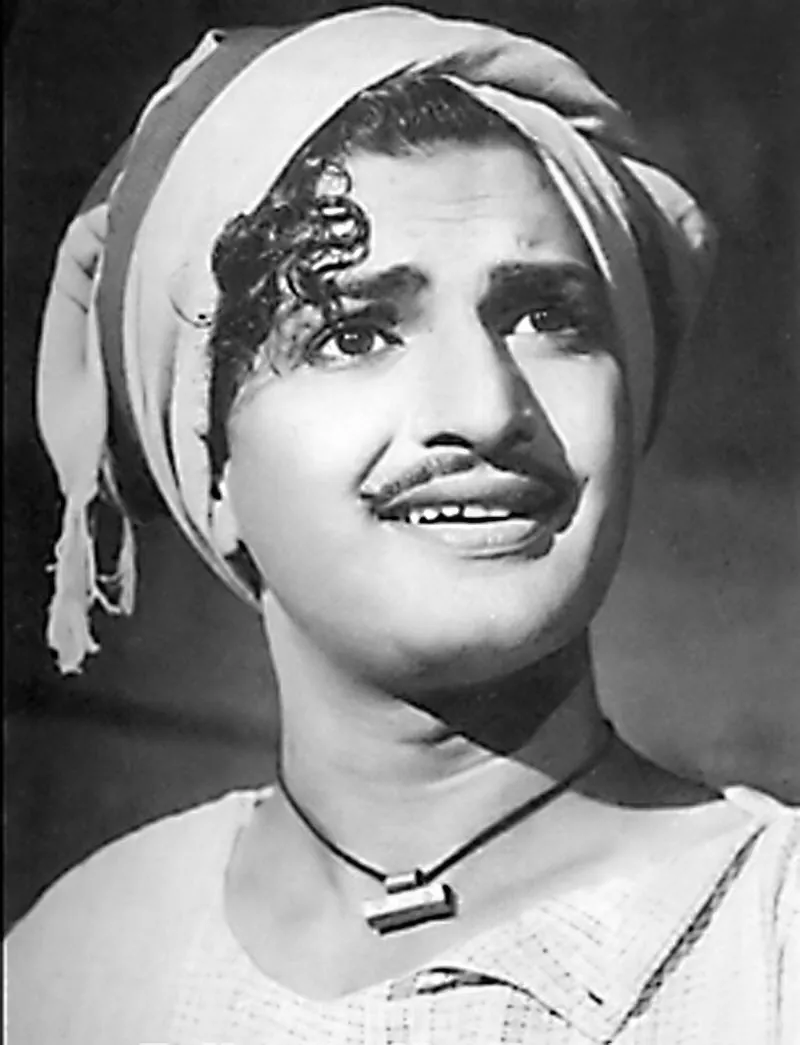
N.T. Rama Rao: TDP founder under whom KCR served.
Credit: Unknown photographer · Public domain · source
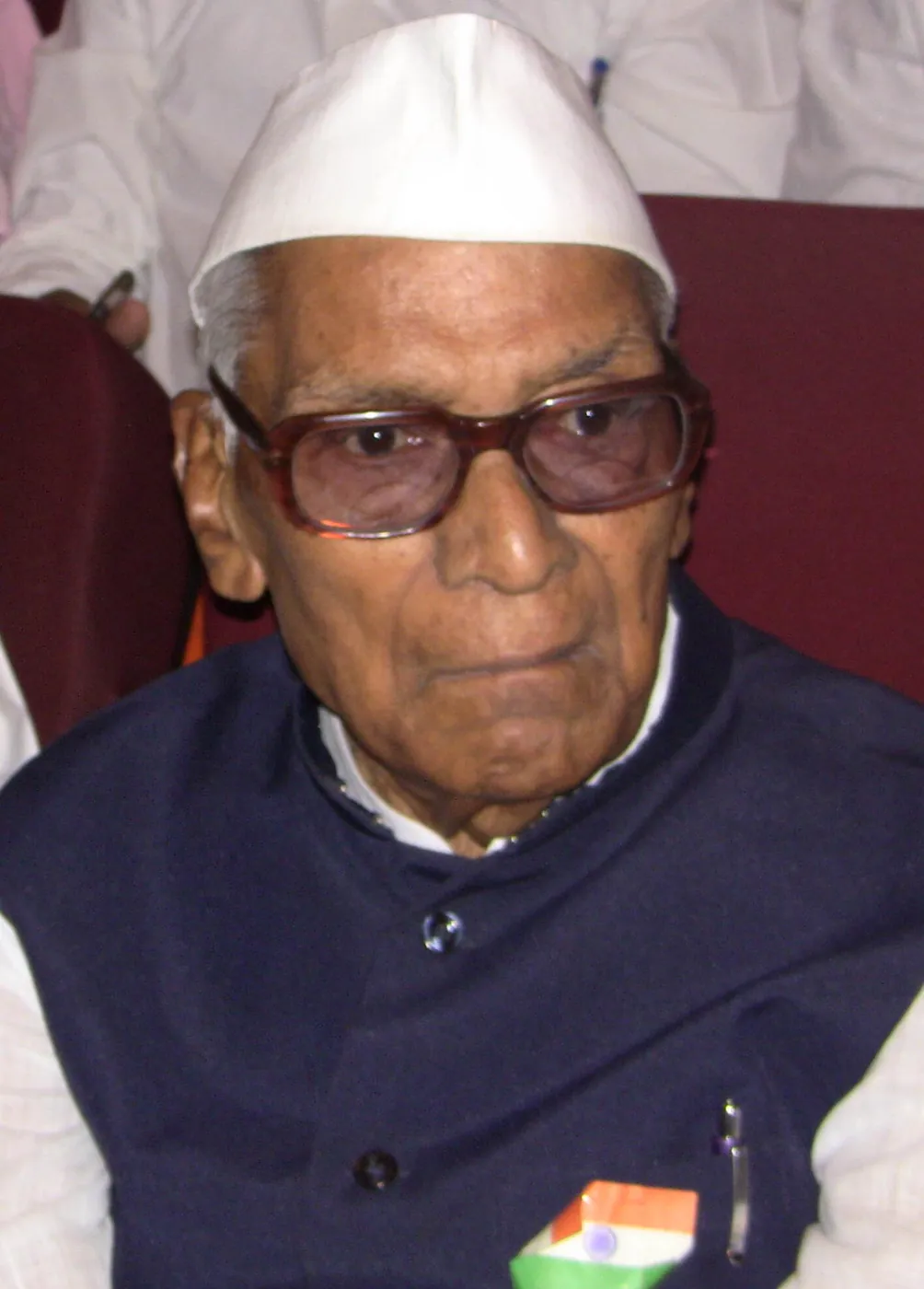
Konda Laxman Bapuji: veteran Telangana leader associated with Jaladrushyam.
Credit: Batthini Vinay Kumar Goud · CC0 · source
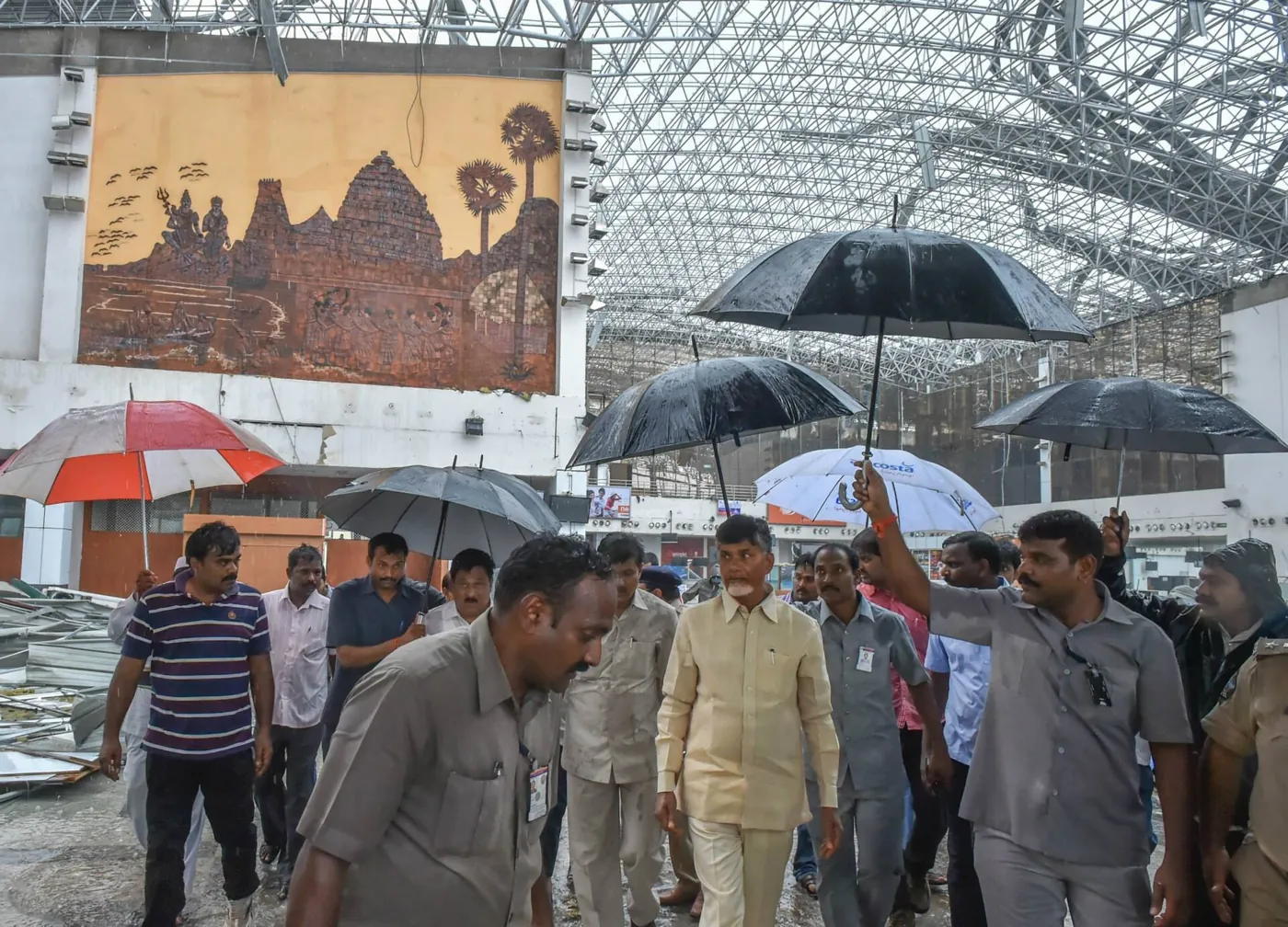
N. Chandrababu Naidu: head of the government from which KCR departed.
Credit: Jimmyreditfine · CC BY-SA 4.0 · source

Karimnagar: place context for Simha Garjana, not a rally photograph.
Credit: Naveen Gujje · CC BY-SA 2.0 · source
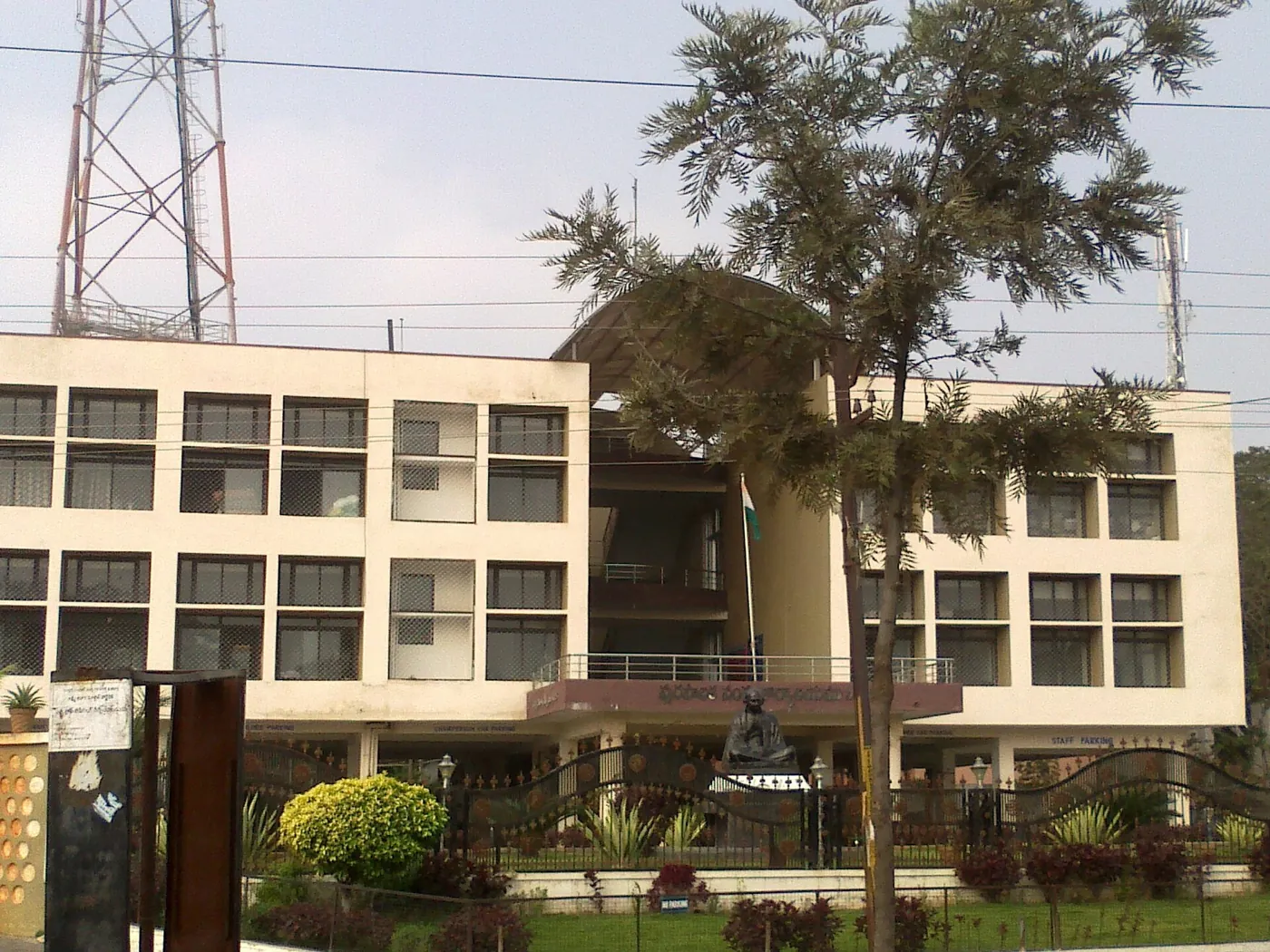
Siddipet: place context for the 2001 Assembly by-election.
Credit: Srivhs · CC BY-SA 3.0 · source
1. Political experience before the new party
K. Chandrashekar Rao, usually known as KCR, brought substantial legislative experience to the statehood campaign. Born at Chintamadaka on 17 February 1954, he began in Youth Congress politics before joining the Telugu Desam Party. His first successful Assembly contest was Siddipet in 1985, followed by victories there in 1989, 1994 and 1999. He served as Transport Minister and subsequently as Deputy Speaker of the undivided Andhra Pradesh Assembly. This background gave the future TRS leader familiarity with constituency organisation, legislative procedure and negotiations within a major regional party.
His departure from the TDP should be understood through both political circumstances and the regional claims he advanced. Contemporary reporting records his criticism of the government’s electricity-tariff increase and its treatment of Telangana. Agrarian grievances helped connect an apparently technical pricing issue to arguments about irrigation, livelihoods and regional development. Yet a single tariff decision does not adequately explain the statehood movement. Earlier intellectual, cultural and civil-society advocacy supplied an existing public vocabulary that TRS could translate into an electoral programme. Personal career narratives and structural regional grievances therefore require separate examination.
- Distinguish KCR’s TDP career from the later TRS period.
- Siddipet was the constituency base; Hyderabad was the founding venue.
- Treat claims of regional neglect as political arguments to be examined, not automatic statistical conclusions.
Timeline
27 April 2001
KCR resigns his existing posts and launches TRS at Jaladrushyam, Hyderabad.
17 May 2001
Simha Garjana public meeting at Karimnagar.
22 September 2001
Siddipet by-election result declares KCR elected on the TRS ticket.
2004
Congress alliance yields 26 Assembly and five Lok Sabha seats; TRS enters government.
July 2005
TRS withdraws from the Andhra Pradesh ministry.
August 2006
TRS Union ministers resign over the unresolved statehood demand.
7 December 2006
KCR wins the Karimnagar by-election by 201,582 votes.
2008
Resignation-related bypolls return only seven TRS MLAs and two MPs.
2009 general elections
Grand Alliance participation yields ten Assembly and two Lok Sabha seats for TRS.
9 October 2009
Supreme Court judgment intensifies the Hyderabad Free Zone recruitment controversy.
29 November 2009
KCR begins his protest fast; public mobilisation intensifies.
9 and 23 December 2009
The Centre first announces initiation of statehood and then wider consultations.
2014
TRS wins 63 Assembly and eleven Lok Sabha seats; Telangana is formed on 2 June.
2022: later identification
TRS adopts the name Bharat Rashtra Samithi; ECI approves the change in December.
2. Foundation and the construction of an organisation
On 27 April 2001 KCR resigned as Deputy Speaker, legislator and TDP member and announced the Telangana Rashtra Samithi at Jaladrushyam in Hyderabad. The change mattered because it established a party whose central purpose was separate statehood, rather than seeking regional concessions within an existing party. Simha Garjana at Karimnagar on 17 May 2001 gave the organisation a prominent public platform. Public meetings connected its leadership to supporters beyond Siddipet, while cooperation with intellectuals and movement activists helped link electoral activity with the wider history of Telangana advocacy.
Local-body contests and KCR’s Siddipet by-election victory soon tested whether public enthusiasm could become an organisational presence. The ECI records polling on 20 September 2001 and declaration of the result on 22 September: KCR received 82,632 votes against the TDP candidate’s 23,920. Programmes concerning handloom livelihoods and irrigation, alongside meetings and outreach towards Delhi, broadened the party’s agenda beyond a constitutional slogan. Exact early local-body totals vary between retrospective accounts; they should not be reproduced as settled facts without distinguishing territorial seats, chairperson posts and non-party panchayat contests.
- Simha Garjana: Karimnagar, not the Hyderabad founding meeting.
- Siddipet 2001 winning margin: 58,712 votes.
- Organisational growth included livelihood issues, public meetings and electoral contests.
How a regional demand became a governing mandate
- 1. Regional grievances and earlier civil-society advocacy provide the setting.
- 2. TRS builds a dedicated electoral organisation from 2001.
- 3. The 2004 alliance moves the demand into coalition negotiations.
- 4. Withdrawals and by-elections test both legitimacy and organisational limits.
- 5. Employees, students and parties intensify pressure around the 2009 crisis.
- 6. Parliamentary state formation and the 2014 election create a new arena of government.
3. The 2004 alliance: access to office and its limits
The Congress–TRS understanding in 2004 brought the Telangana demand into a wider anti-incumbent electoral coalition. TRS won 26 Assembly seats and five Lok Sabha seats and participated in governments at the state and Union levels. At the Centre, KCR briefly received the Shipping portfolio, then served without portfolio before becoming Labour and Employment Minister. A. Narendra also held Union ministerial office. The distinction between seats allocated in alliance negotiations, constituencies actually contested and seats won is essential: these figures measure different stages of electoral competition and must not be used interchangeably.
The UPA’s programme acknowledged Telangana while linking consideration of statehood to consultation and consensus. Participation in government thus gave TRS national access but did not itself produce a binding timetable for division. Congress had to manage divergent regional positions within Andhra Pradesh as well as coalition considerations at the Centre. For TRS, remaining in office could assist negotiations but risked appearing ineffective to impatient supporters. This tension explains why ministerial participation and movement pressure coexisted. The experience also illustrates a wider federal problem: a regional party can secure recognition of an issue without controlling its eventual legislative resolution.
- 2004 result: Assembly 26; Lok Sabha five.
- Coalition access was not a statutory commitment to immediate statehood.
- The Left supported the Union coalition from outside; do not describe all allies as Union ministers.
| Election | Assembly seats won | Lok Sabha seats won | Reading the result |
|---|---|---|---|
| 2001 Siddipet by-election | 1 | Not applicable | KCR returns after founding TRS; margin 58,712. |
| 2004 general elections | 26 | 5 | Congress alliance; entry into state and Union ministries. |
| 2004 Siddipet by-election | 1 | Not applicable | T. Harish Rao retains the seat vacated by KCR. |
| 2006 Karimnagar by-election | Not applicable | 1 | KCR’s renewed mandate; margin 201,582. |
| 2008 resignation-related by-elections | 7 of the 16 vacated by TRS | 2 of 4 | The full Assembly bypoll round covered 18 seats. |
| 2009 general elections | 10 | 2 | Grand Alliance does not reproduce the 2004 result. |
| 2010 Telangana Assembly by-elections | 11 | Not applicable | TRS wins eleven of the twelve seats polled; BJP wins the other. |
| 2012 Assembly by-elections | 4 in March; 1 at Parkal in June | Not applicable | TRS-backed independent win at Nagarkurnool is not a TRS seat. |
| 2014 general elections | 63 of Telangana’s 119 | 11 | Independent contest before the new state’s inauguration. |
| 2014 Medak parliamentary by-election | Not applicable | 1 | TRS retains the seat vacated by KCR after he chooses the Assembly. |
4. Consultation, withdrawal and the resignation strategy
A consultative panel headed by Pranab Mukherjee became an important channel for inter-party discussion. Dayanidhi Maran and Raghuvansh Prasad Singh were its other members. Retrospective sources differ over the panel’s precise constitution date, so its membership and function are safer revision anchors than an unqualified exact date or deadline. It was a political consultation mechanism, not a States Reorganisation Commission or a judicial tribunal. Its inability to generate an agreed settlement strengthened TRS criticism that participation in the UPA had not delivered tangible progress towards its principal objective.
TRS withdrew from the Andhra Pradesh ministry in July 2005, amid internal disagreement over the decision, while its Union ministers resigned in August 2006. These were separate stages, not a single collective resignation. KCR subsequently vacated his parliamentary seat and returned through the Karimnagar by-election. The broader resignation strategy sought to renew a representative mandate and raise the political cost of inaction. However, the 2008 by-elections exposed its limits: TRS retained only two of four parliamentary seats and seven of sixteen Assembly seats vacated by its members. Electoral pressure could validate a campaign, but could also reduce its institutional strength.
- Keep state ministry withdrawal, Union ministerial resignation and legislative resignation distinct.
- 2008 total Assembly bypolls: eighteen; sixteen followed TRS resignations.
- A by-election is not a legally binding referendum on statehood.
5. The Grand Alliance and the 2009 setback
In 2009 TRS joined the Mahakutami, or Grand Alliance, with the TDP, CPI and CPI(M). For a party created after a break with the TDP, this was a notable tactical realignment. It reflected an effort to aggregate opposition votes against Congress rather than a merger of ideological positions. The Left parties themselves did not hold identical views on state division. Consequently, membership of a common electoral front cannot be treated as proof that every constituent endorsed the same constitutional solution or shared the same interpretation of Telangana’s political history.
TRS won ten Assembly seats and two Lok Sabha seats, an outcome below its 2004 performance. KCR entered Parliament from Mahabubnagar rather than Karimnagar. The result weakened the party’s immediate electoral leverage, but did not establish that the statehood demand had disappeared. Elections also reflect alliances, candidates, local organisation and assessments of government. The following months demonstrated this distinction as employment concerns and non-electoral mobilisation returned to prominence. For analytical answers, 2009 is therefore best treated as a turning point from disappointing electoral bargaining towards renewed public pressure, rather than as an inevitable stage in an uninterrupted rise.
- Grand Alliance: TDP, TRS, CPI and CPI(M).
- TRS result in 2009: ten MLAs and two MPs.
- Do not infer the strength of an entire social movement directly from one party’s seats.
6. Free Zone controversy and employees’ mobilisation
The Supreme Court’s judgment of 9 October 2009 renewed controversy about recruitment in Hyderabad. The key provision was paragraph 14(f) of the Andhra Pradesh Public Employment (Organisation of Local Cadres and Regulation of Direct Recruitment) Order, 1975. The dispute concerned the exemption for specified posts, particularly those recruited under the Hyderabad City Police Act. Political discussion commonly described the result as Hyderabad becoming a Free Zone. That expression should not be expanded into a claim that the Court removed every local safeguard from every government post throughout Hyderabad or decided the city’s future state affiliation.
Telangana employees and students feared that exemptions from local-cadre protections would diminish employment opportunities. The Siddipet Udyoga Garjana meeting in October 2009 linked these service concerns to the broader demand for statehood, with TRS supporting employee mobilisation. Its significance lies in the relationship between organised employees, student aspirations and party strategy, rather than unverified attendance figures or inflammatory slogans. From another perspective, recruitment rules also affected applicants elsewhere in Andhra Pradesh who sought access under the existing exemption. A balanced account distinguishes the legal scope of the order from the competing regional expectations built around it.
- Paragraph 14(f) belonged to the Presidential Order, not directly to the Six-Point Formula.
- Free Zone here is a recruitment controversy, not a free-trade designation.
- The Court’s review dismissal in March 2010 was later than the original October 2009 judgment.
7. November–December 2009: pressure and a changed central response
KCR began his protest fast on 29 November 2009 after police detained him before he could reach the planned protest location near Siddipet. Events involving Khammam and later treatment at NIMS in Hyderabad became focal points of public concern. Student mobilisation, employee support and political negotiations widened the crisis beyond TRS alone. A responsible account explains the political stakes without treating physical danger as a model of civic action. The period also involved distress and reports of self-harm; these losses must not be glorified. Free, round-the-clock mental-health support is available through Tele-MANAS on 14416.
On 9 December Union Home Minister P. Chidambaram announced that the process of forming Telangana would be initiated and that an appropriate resolution would be moved in the Andhra Pradesh Assembly. This was an executive political announcement, not the legal creation of a state. Protests and resignations in coastal Andhra and Rayalaseema then highlighted concerns about division, Hyderabad and shared interests. On 23 December the Centre cited changed circumstances and divisions among parties and announced wider consultations. Telangana supporters widely saw this as a retreat; the government presented it as necessary consultation. These positions must be attributed rather than collapsed into a single partisan account.
- 29 November: start of the fast; 9 December: central announcement.
- 23 December: wider consultations, not an enacted repeal of statehood legislation.
- An Assembly resolution was not itself the parliamentary law required to create Telangana.
8. From renewed movement to the 2014 mandate
After December 2009, TRS operated alongside employee organisations, student groups, cultural activists and joint-action platforms. Subsequent by-elections restored some of its electoral momentum, but the movement retained actors and initiatives outside party control. State formation ultimately required decisions at the Union level and parliamentary legislation; it cannot be explained by a single fast, party or election. Equally, the party’s sustained ability to keep statehood central to public competition was an important organisational contribution. Strong historical answers connect these levels of action instead of substituting either leadership biography or a purely institutional chronology for explanation.
In the 2014 elections TRS contested independently and won 63 of the 119 Assembly seats in Telangana and eleven Lok Sabha seats. On 2 June 2014 Telangana came into existence and KCR became its first Chief Minister. The movement party now faced the different tasks of administration, distribution and accountability within the new state. Its transition illustrates how a regional demand can reshape both India’s federal map and electoral competition. For later identification, the party adopted the name Bharat Rashtra Samithi in 2022, with Election Commission approval that December; BRS is not the name under which it contested the statehood-era elections.
- 2014 Assembly majority: 63 of 119 seats.
- Separate the election result from the state’s formation date.
- Use TRS for the historical period and identify the later BRS name explicitly.
Real-world case studies
Karimnagar 2006: a mandate, not a constitutional referendum
The ECI records KCR with 378,030 votes and Congress candidate T. Jeevan Reddy with 176,448 in the December 2006 by-election: a margin of 201,582. Polling was on 4 December and the result was declared on 7 December. KCR used the contest to seek fresh support after leaving Union ministerial office and vacating his seat. The result strengthened his bargaining position, but legally elected an MP; it did not compel state formation. The weaker 2008 outcome demonstrates why one constituency’s verdict cannot be treated as a permanent or region-wide plebiscite.
Free Zone: the difference between legal scope and political resonance
The October 2009 judgment concerned the application of the 1975 Presidential Order’s paragraph 14(f), especially the Hyderabad city police exemption. Employees connected the issue to local recruitment protections and students to future job opportunities. This helped restore statehood mobilisation after a disappointing election. The mains lesson is to distinguish a court’s ruling on specified service posts from the broader political interpretation that regional safeguards were insecure. The judgment did not determine Hyderabad’s territorial status, and calling it a Free Zone ruling does not mean that every public job in the city lost local protections.
Two December statements: announcement versus implementation
The 9 December 2009 statement promised to initiate a process; the 23 December statement stressed altered circumstances and wider consultation. Their contrast reveals the difficulty of reconciling regional representation, coalition politics and the Union’s reorganisation powers. Telangana supporters regarded the second statement as a setback, while opponents of division pressed concerns about the capital and shared resources. Neither statement itself enacted a state. An answer should follow the movement’s political response while reserving the legal creation of Telangana for the later parliamentary and statutory process.
Previous year questions
No source-linked PYQ is available here yet. Use the practice questions below.
Practice questions
Practice MCQ 1 · Easy
Which pairing correctly identifies the founding of TRS?
- 27 April 2001 — Jaladrushyam, Hyderabad
- 17 May 2001 — Siddipet
- 27 April 2004 — Karimnagar
- 9 December 2009 — Hyderabad
Practice MCQ 2 · Moderate
Which sequence gives TRS Assembly seats won in the general elections of 2004, 2009 and 2014?
- 26, 10, 63
- 26, 7, 63
- 10, 26, 63
- 26, 10, 119
Practice MCQ 3 · Moderate
The Hyderabad Free Zone controversy of 2009 principally concerned which provision?
- Paragraph 14(f) of the 1975 Presidential Order
- A free-trade clause in the 2004 UPA programme
- A judicial order establishing a Union Territory
- A clause abolishing all local cadres across Andhra Pradesh
Practice MCQ 4 · Moderate
Which statement about the 2008 by-elections is correct?
- TRS retained all sixteen Assembly seats it vacated
- TRS retained seven Assembly and two Lok Sabha seats
- TRS won ten Assembly and five Lok Sabha seats
- Only parliamentary seats were contested
Practice MCQ 5 · Easy
Who chaired the inter-party consultation panel associated with Telangana during the first UPA government?
- P. Chidambaram
- K. Chandrashekar Rao
- Pranab Mukherjee
- T. Harish Rao
Practice MCQ 6 · Moderate
Consider the December 2009 statements. Which interpretation is correct?
- The 9 December statement legally established Telangana
- The 23 December statement enacted a law prohibiting division
- The first announced initiation of statehood; the second stressed wider consultations
- Both statements announced the 2014 election result
Mains practice · Assess how TRS combined electoral politics and public mobilisation in the Telangana struggle between 2001 and 2014.
- Locate the party within earlier civil-society and intellectual advocacy.
- Explain organisation-building and the 2004 coalition opportunity.
- Compare the 2006 mandate with the 2008 and 2009 setbacks.
- Analyse employees’ and students’ roles without absorbing them into the party.
- Conclude with parliamentary state formation and the transition to government.
Mains practice · Examine the relationship between employment safeguards and Telangana mobilisation with reference to the Free Zone controversy.
- Identify paragraph 14(f) of the 1975 Presidential Order.
- Define the specified-post and city-police context of the judgment.
- Connect employee concerns and student aspirations with Siddipet mobilisation.
- Distinguish legal effect from the political meaning attached to the judgment.
- Present competing access and local-protection claims respectfully.
Mains practice · What do the events of December 2009 reveal about resolving regional statehood demands in a federal democracy?
- Explain the political crisis preceding 9 December.
- Contrast initiation of a process with legal state creation.
- Explain the Centre’s stated reasons for consultations on 23 December.
- Consider Telangana and Seemandhra concerns without attributing a single view to every resident.
- Differentiate an electoral mandate, an Assembly opinion and parliamentary legislation.
Further reading
- https://www.rediff.com/news/2001/apr/27ap.htm
- https://www.rediff.com/news/report/kcr/20061207.htm
- https://sangareddy.telangana.gov.in/chief-ministers-profile/
- https://www.thenewsminute.com/telangana/telangana-leaders-recall-pranab-mukherjee-s-role-state-formation-132033
- https://frontline.thehindu.com/other/article30205615.ece
- http://news.bbc.co.uk/2/hi/south_asia/5277014.stm
- https://timesofindia.indiatimes.com/india/trs-sweeps-telangana-bypolls-wins-11-of-12-assembly-seats/articleshow/6240689.cms
- https://www.thehindu.com/news/national/andhra-pradesh/trs-captures-four-seats/article3019951.ece
- https://www.indiatoday.in/india/telangana/story/bypoll-results-setback-for-trs-telangana-issue-105989-2012-06-16
- https://imworld.rediff.com/election/2004/oct/16siddi1.htm
- https://www.thehindu.com/news/national/telangana/medak-lok-sabha-constituency-result/article6414911.ece
- https://www.thehindu.com/news/national/telangana/election-commission-clears-the-road-for-trs-to-become-brs/article66239073.ece
- https://www.pib.gov.in/PressReleasePage.aspx?PRID=1866498&lang=1®=3
Preparing for TGPSC Group 1 or Group 2? See the TGPSC Groups coaching course at Pragnya IAS Academy for fees, batches and registration.
Long study hours taking a toll? Try the free breathing exercise and self check-in in Pragnya’s student wellness programme for UPSC aspirants.