
Maldives
Indian Ocean, South Asia
Maldives: Colombo Security Conclave adopts 2026–2027 cooperation roadmap
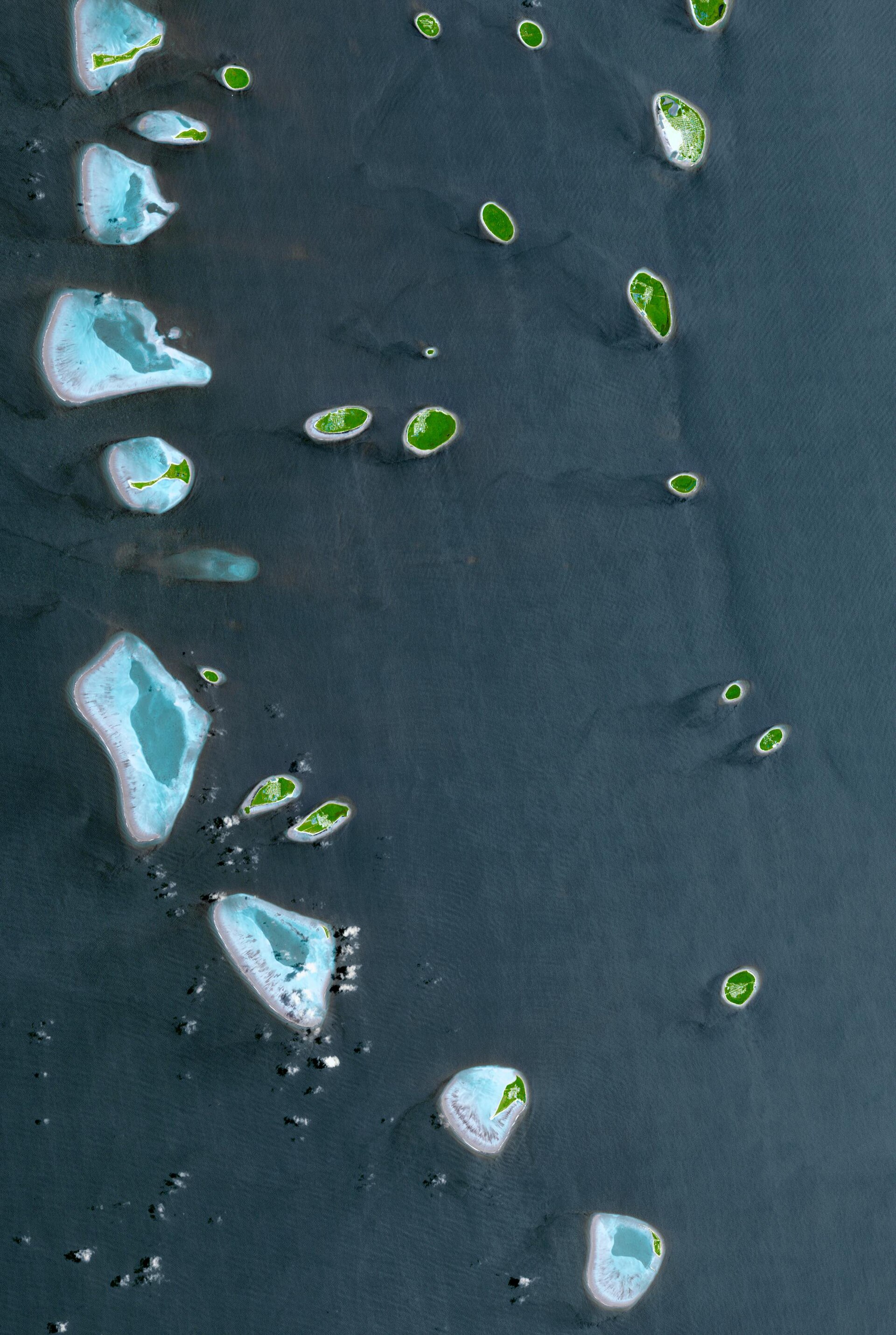
The Maldives is a low-lying coral archipelago in the Indian Ocean, southwest of India and Sri Lanka. Its islands form a predominantly north–south chain of atolls.
Position matched with OpenStreetMap; the dashed outline shows its mapped extent. Other numbered pins are the day's other places — tap one to open it.
Why in the news
The Maldives hosted the eighth National Security Adviser-level meeting of the Colombo Security Conclave. The meeting adopted a 2026–2027 cooperation roadmap covering maritime security and other shared regional threats.
Read the full analysis: Colombo Security Conclave Roadmap: India’s Indian Ocean Security StrategyCapital
Malé
Ocean
Indian Ocean
Natural atolls
26
Land borders
None
Southernmost atoll
Addu Atoll
Location
- Located in the Indian Ocean, southwest of India and Sri Lanka.
- Extends across the Equator, with most of its islands in the Northern Hemisphere.
- Lies south of India's Lakshadweep archipelago; the Eight Degree Channel separates Minicoy from the northern Maldives.
- The Chagos Archipelago lies farther south, beyond the One and a Half Degree Channel.
Nearby countries
- India
- Sri Lanka
Key features
- Coral atolls
- The archipelago comprises 26 natural atolls containing coral islands, reefs and lagoons.
- Low relief
- The islands are exceptionally low-lying, making coastal flooding and erosion major geographical concerns.
- Submarine ridge
- The islands occupy the central portion of the Lakshadweep–Maldives–Chagos submarine ridge.
- Reefs and lagoons
- Atoll reefs enclose lagoons, with channels allowing water exchange with the open ocean.
Flora, fauna & ecology
- Climate
- A tropical maritime climate is influenced by the southwest and northeast monsoons.
- Marine habitats
- Coral reefs and seagrass meadows support reef fish, sea turtles and other marine life.
- Environmental pressures
- Ocean warming and coral bleaching threaten reefs, while sea-level rise increases risks to low-lying islands.
History & significance
- The Maldives became independent of British protection in 1965.
UPSC angle
- Prelims geography: locate the Maldives relative to Lakshadweep, Sri Lanka, the Equator and the Chagos Archipelago.
- Physical geography: revise coral reef formation, atolls, lagoons and submarine ridges.
- GS II: examine Indian Ocean regional cooperation and the maritime security role of the Colombo Security Conclave.
- GS III: link coral bleaching, sea-level rise and coastal vulnerability with the challenges of small island states.
Also locate on your map
- Lakshadweep
- Minicoy
- Eight Degree Channel
- Sri Lanka
- Addu Atoll
- One and a Half Degree Channel
- Chagos Archipelago
Test yourself
Q1. The Eight Degree Channel separates which of the following?
Q2. Consider the following statements about the Maldives: 1. Its archipelago extends across the Equator. 2. Its islands are predominantly associated with coral atolls. Which of the statements given above is/are correct?
Sources
- Indian Express: Colombo Security Conclave adopts roadmap to boost Indian Ocean security
- Indian Express: Serious security challenges, promise all help: NSA to Indian Ocean nations
- Times of India: Colombo Security Conclave reaffirms commitment to promote regional peace
Background maps and imagery © Esri and partners (English labels); place positions checked with OpenStreetMap (ODbL). Boundaries are for study reference only. Prepared by Pragnya IAS Academy for exam revision.