New UPSC Foundation, Optional and TGPSC/APPSC batches are open — book your counselling slot.Today's Current AffairsToday's Daily QuizCall 98804 87071

Pragnya Daily · 6:00 am IST

UPSC Daily Current Affairs Analysis

Every morning our editors scan The Hindu, Indian Express, Times of India, PIB, Down To Earth, RBI, ministries, the World Bank, IMF and UN agencies, and turn the 10 most exam-relevant stories into syllabus-mapped analysis with infographics, Prelims MCQs and Mains model answers.

10 stories dailyGS paper mappingInfographicsPrelims MCQsMains model answers

Archive edition

Monday, 19 October 2026

10 analysed stories

The RTI amendment petitions concern the balance between personal privacy and public accountability: Section 8(1)(j)’s clause-specific public-interest safeguard has been removed, while the general override under Section 8(2) remains relevant.#1
Polity & GovernanceGS 2

RTI Amendment Petitions: Balancing Personal Privacy and Public Accountability

The Supreme Court has referred petitions challenging the amendment to Section 8(1)(j) of the RTI Act to a Constitution Bench, according to the supplied editorial. The amendment broadens the personal-information exemption, raising questions about how privacy can be protected without weakening scrutiny of public authorities. A crucial distinction is that the clause-specific public-interest safeguard has been removed, but the RTI Act’s general public-interest override under Section 8(2) remains relevant.
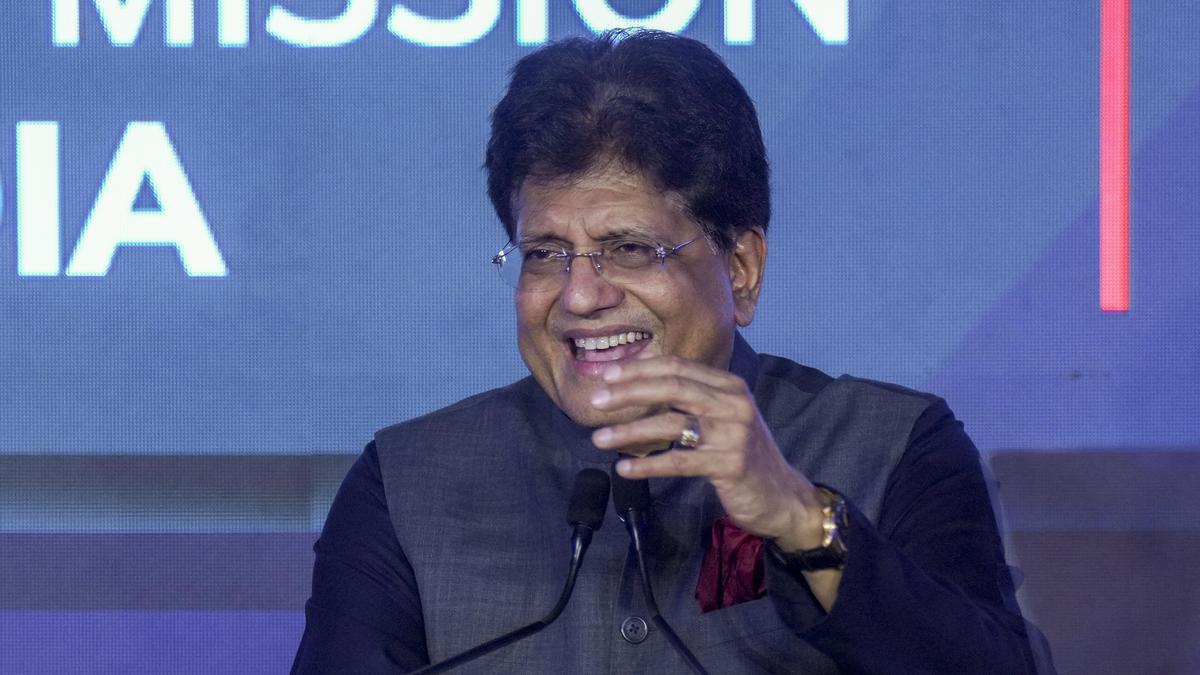

Piyush Goyal said the first tranche of the India–U.S. trade agreement had been finalised, but legal drafting remained unfinished and implementation depended on clarity about India’s competitive advantage. The announcement does not establish a signed or operational agreement.#2
International RelationsGS 2 & 3

India–U.S. Trade Deal: Legal Status, Tariff Risks and Competitive Advantage

Commerce Minister Piyush Goyal said the first tranche of the India–U.S. trade agreement had been finalised, while acknowledging that legal drafting and final contours remained unfinished. Implementation is linked to clarity on India’s competitive advantage over peer countries, so the announcement should not be treated as evidence of a signed, legally effective or operational agreement.

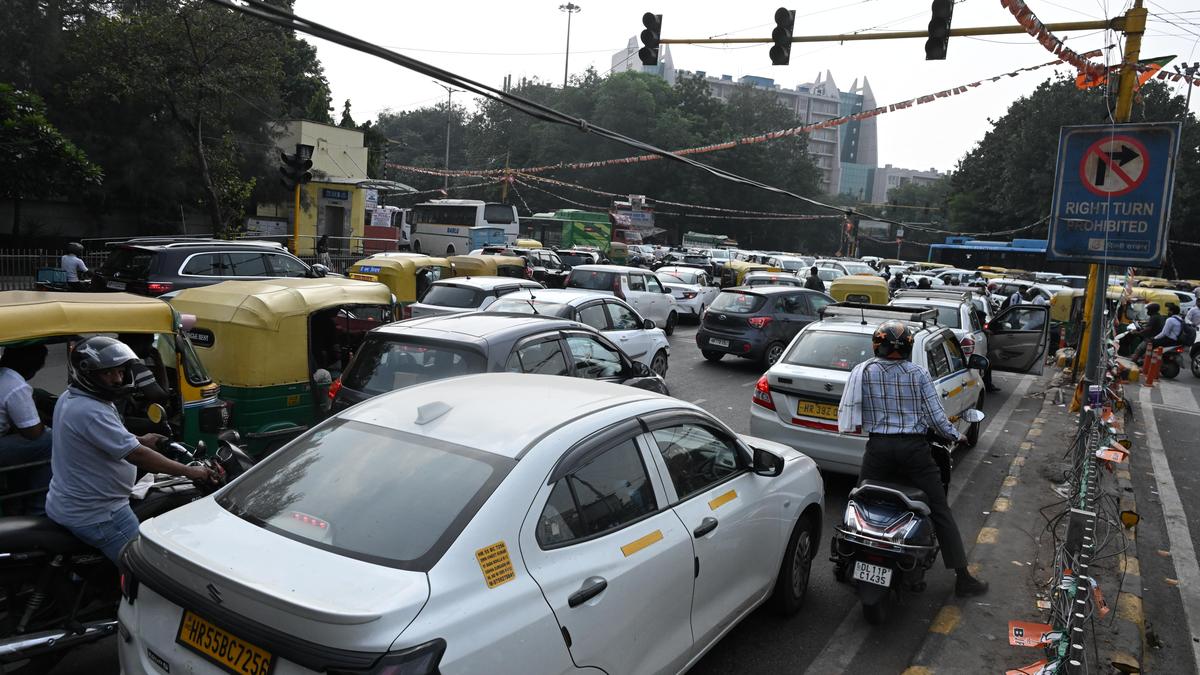
India’s draft BS-VII standards propose broader pollution controls, including real-world emissions testing and brake and tyre pollution requirements, while keeping principal passenger-car tailpipe limits unchanged.#5
Environment & EcologyGS 3

Draft BS-VII Norms: Real-World Emissions Testing and Brake-Tyre Pollution Controls

India’s draft Bharat Stage VII vehicle emission standards propose stronger real-world emissions testing, brake and tyre pollution controls, and battery-performance requirements, with a phased rollout beginning with passenger cars in April 2029. For passenger cars, the principal tailpipe limits remain unchanged; the proposed shift is towards broader pollution coverage and sustained compliance beyond laboratory testing.

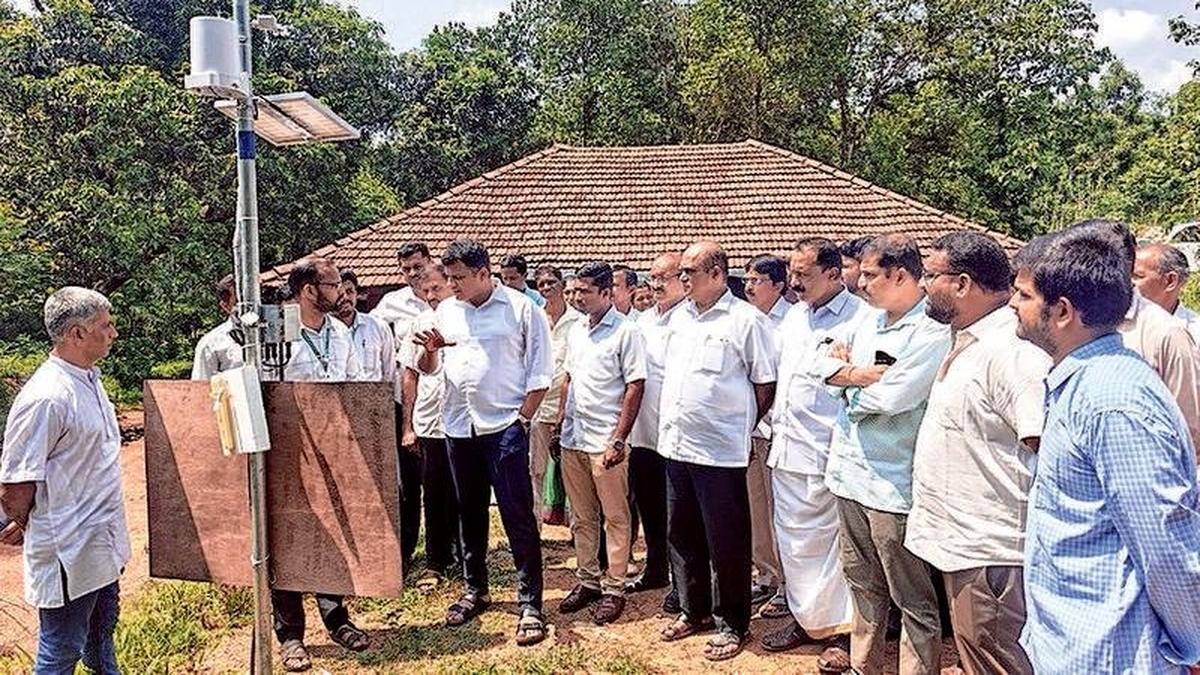
Reference image accompanying reporting on WINDS, whose weather-sensor rollout is delayed by land shortages, rejected sites and disputed rooftop-installation restrictions.#9
AgricultureGS 3

WINDS Rollout Delays: Weather Data Gaps, Crop Advisories and Insurance Risks

The Agriculture Ministry’s Weather Information Network and Data System (WINDS) is at least a year behind schedule, with The Hindu reporting that over 96% of planned sensors remain uninstalled in the rollout it examined. Land shortages, rejected sites and disputed rooftop-installation restrictions are delaying infrastructure intended to strengthen hyper-local weather information and crop-insurance assessment.

Reference image on elderly care in India. A skilled, gender-sensitive care economy requires professional training, recognition of unpaid caregivers and affordable community-based services.#10
Social JusticeGS 1 & 2

India’s Ageing Population: Building a Skilled, Gender-Sensitive Care Economy

The supplied report highlights the Budget 2026–27 announcement to train 1.5 lakh caregivers aligned with the National Skills Qualifications Framework, against a projected elderly population of 347 million by 2050. India needs to combine professional training with recognition of unpaid family caregivers, gender-sensitive social protection and affordable community-based services rather than treat elderly care as a private household responsibility.

Free UPSC daily current affairs quiz — 10 questions, new every day at 8 am IST.

Call nowWhatsApp