New UPSC Foundation, Optional and TGPSC/APPSC batches are open — book your counselling slot.Explore coursesGroup 2 crash course ₹9,999Today's Current AffairsToday's Daily QuizPlaces in NewsCall 98804 87071

Pragnya Daily · 6:00 am IST

UPSC Daily Current Affairs Analysis

Every morning our editors scan The Hindu, Indian Express, Times of India, PIB, Down To Earth, RBI, ministries, the World Bank, IMF and UN agencies, and turn the 10 most exam-relevant stories into syllabus-mapped analysis with infographics, Prelims MCQs and Mains model answers.

10 stories dailyGS paper mappingInfographicsPrelims MCQsMains model answers

Today's edition

Sunday, 22 November 2026

6 analysed stories

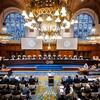
Reference image: Public hearings in The Gambia v. Myanmar at the International Court of Justice in The Hague. The judges and legal representatives illustrate the forum for determining state responsibility under the Genocide Convention; this is not a photograph of the reported ruling.#2
International RelationsGS 2

Myanmar Genocide Ruling: ICJ Accountability, Enforcement and Rohingya Protection

The International Court of Justice ruled on November 19, 2026 that Myanmar committed genocide against the Rohingya during its 2017 military operations, according to the supplied reports. The judgment establishes state responsibility and orders remedies, but translating legal accountability into protection, reparations and safe return depends on implementation and sustained international pressure.

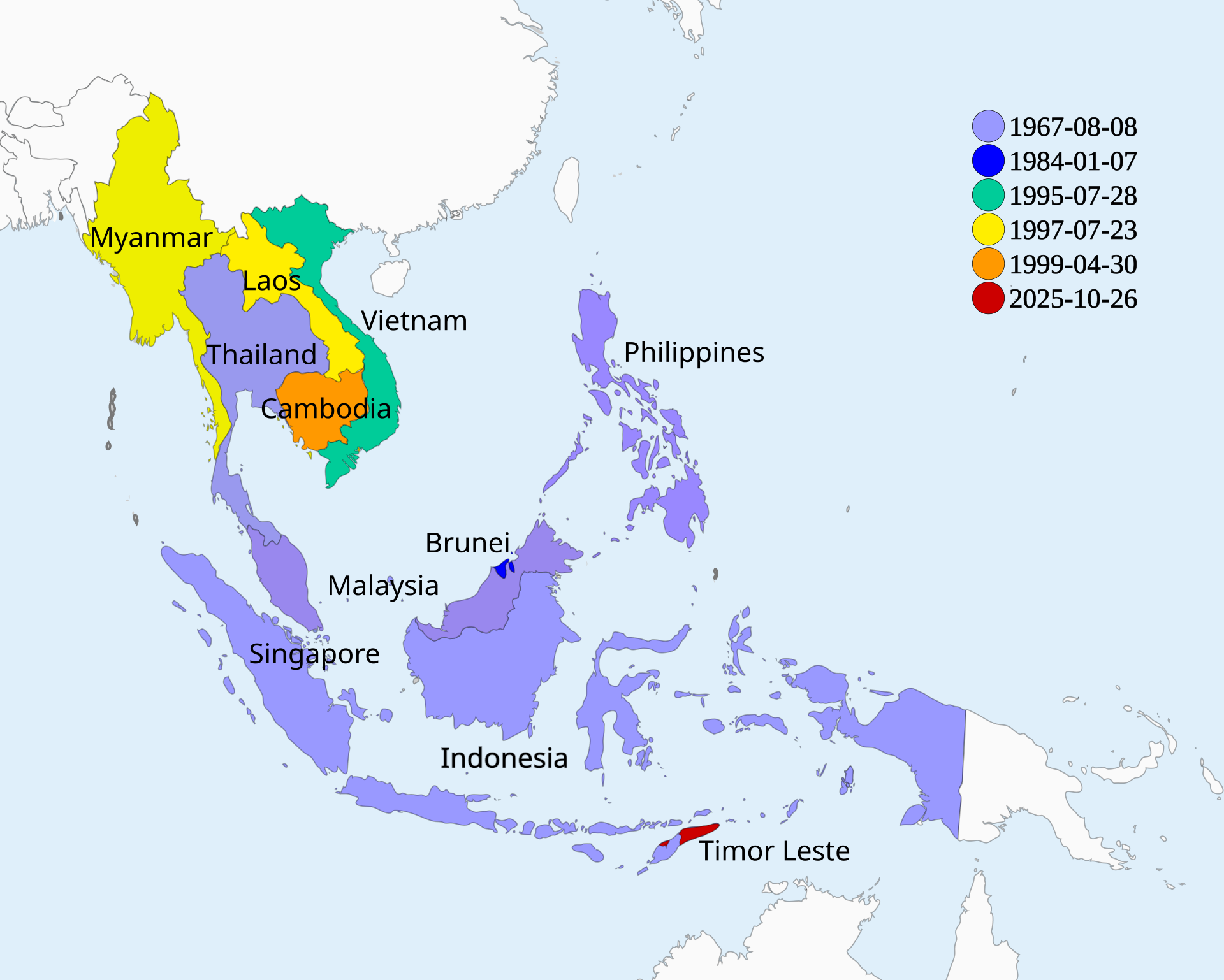
Map of ASEAN member states, providing geographic context for India’s Act East policy and ASEAN-led regional diplomacy.#3
International RelationsGS 2

Manila Summits: Balancing ASEAN Centrality, Quad Cooperation and Strategic Autonomy

According to the supplied report, Prime Minister Narendra Modi participated in the ASEAN-India, East Asia and Quad leaders’ meetings in Manila, signalling a broadening of India’s Act East and Indo-Pacific engagement. The strategic task is to combine ASEAN-led regional diplomacy with practical Quad cooperation while preserving independent decision-making; the supplied extract does not specify the announced outcomes.

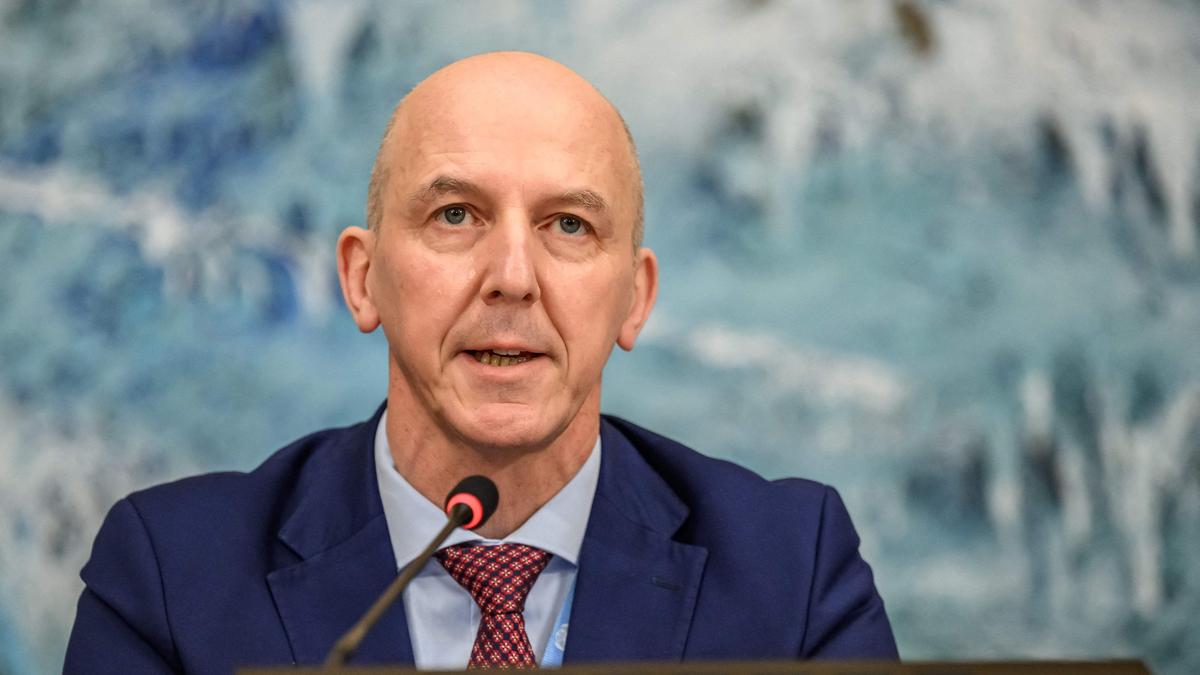
Photo from the source report: Electoral Roll Revision: ECI’s Corrective Relief and Safeguards Against Wrongful Deletion#5
Polity & GovernanceGS 2

Electoral Roll Revision: ECI’s Corrective Relief and Safeguards Against Wrongful Deletion

The Election Commission of India has introduced corrective measures allowing some electors deleted during the Special Intensive Revision to seek restoration, while Special Summary Revision has added about 74 lakh names in 13 States. The relief addresses some exclusion concerns, but differences in access to restoration, documentation requirements and safeguards against wrongful deletion remain unresolved.

Free UPSC daily current affairs quiz — 10 questions, new every day at 8 am IST.

Call nowWhatsApp