New UPSC Foundation, Optional and TGPSC/APPSC batches are open — book your counselling slot.Today's Current AffairsToday's Daily QuizCall 98804 87071

Pragnya Daily · 6:00 am IST

UPSC Daily Current Affairs Analysis

Every morning our editors scan The Hindu, Indian Express, Times of India, PIB, Down To Earth, RBI, ministries, the World Bank, IMF and UN agencies, and turn the 10 most exam-relevant stories into syllabus-mapped analysis with infographics, Prelims MCQs and Mains model answers.

10 stories dailyGS paper mappingInfographicsPrelims MCQsMains model answers

Today's edition

Monday, 2 November 2026

10 analysed stories

Reference image: Community members restore mangroves in Andhra Pradesh under the GCF ECRICC Project. The scene illustrates the local conservation work and institutional support central to India’s biodiversity priorities.#1
Environment & EcologyGS 3

Biodiversity COP17: Yerevan Pathway, Finance Gaps and India’s Conservation Priorities

Countries at Biodiversity COP17 in Yerevan, Armenia, adopted the Yerevan Pathway after a global review found the world off track to meet the Kunming-Montreal Global Biodiversity Framework’s targets. The roadmap prioritises reform of nature-harming subsidies, support for developing countries, alignment of national budgets and stronger monitoring, making domestic implementation the central test of success.
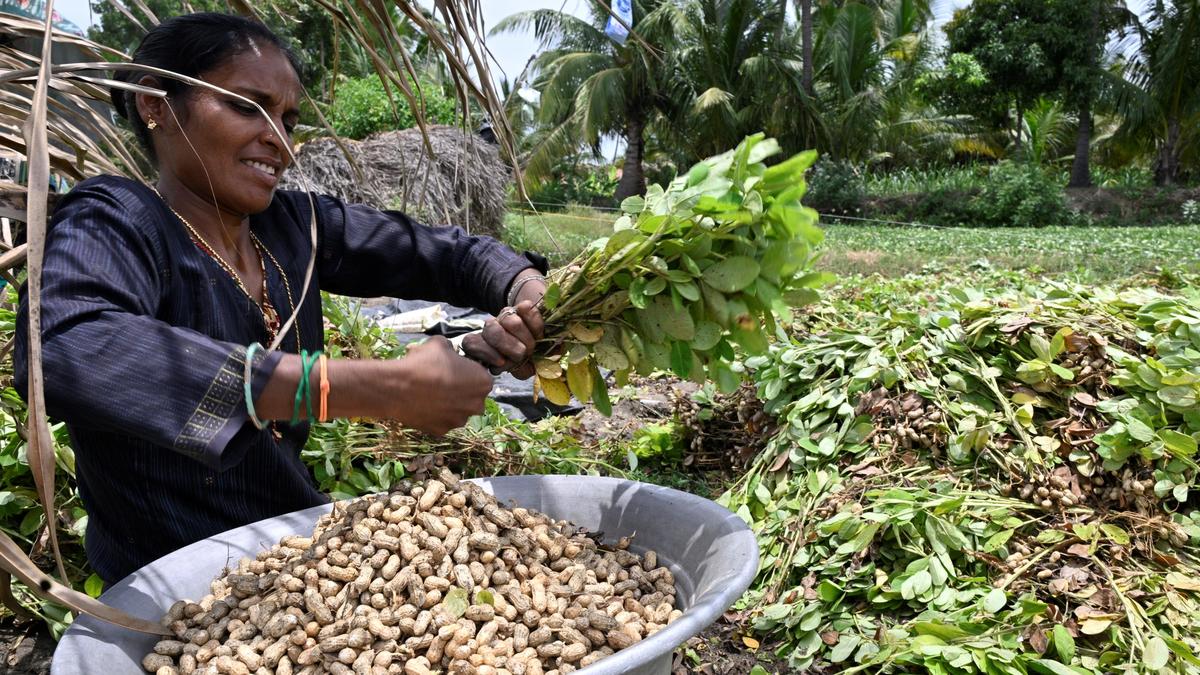

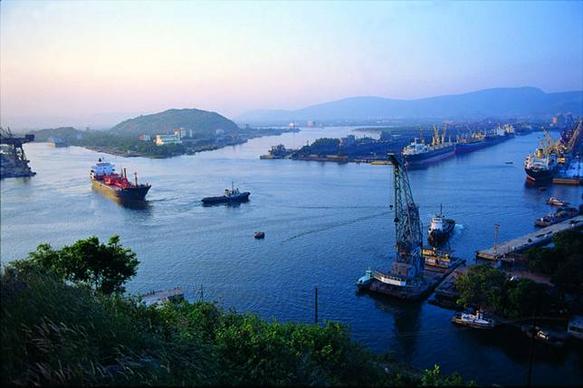
Photo from the source report: NVS-03 and NavIC: Navigation Self-Reliance Needs a Reliable Constellation#4
Science & TechnologyGS 3

NVS-03 and NavIC: Navigation Self-Reliance Needs a Reliable Constellation

ISRO launched NVS-03 aboard GSLV-F18 on October 30, 2026, advancing the recovery of NavIC’s standalone positioning capability and indigenous space-based timing technology. While news reports describe the launch as restoring the minimum four-satellite configuration, the supplied editorial makes operational recovery conditional on final orbital placement and commissioning. The mission highlights that navigation sovereignty requires reliable satellites, atomic clocks, ground infrastructure and sustained institutional support.

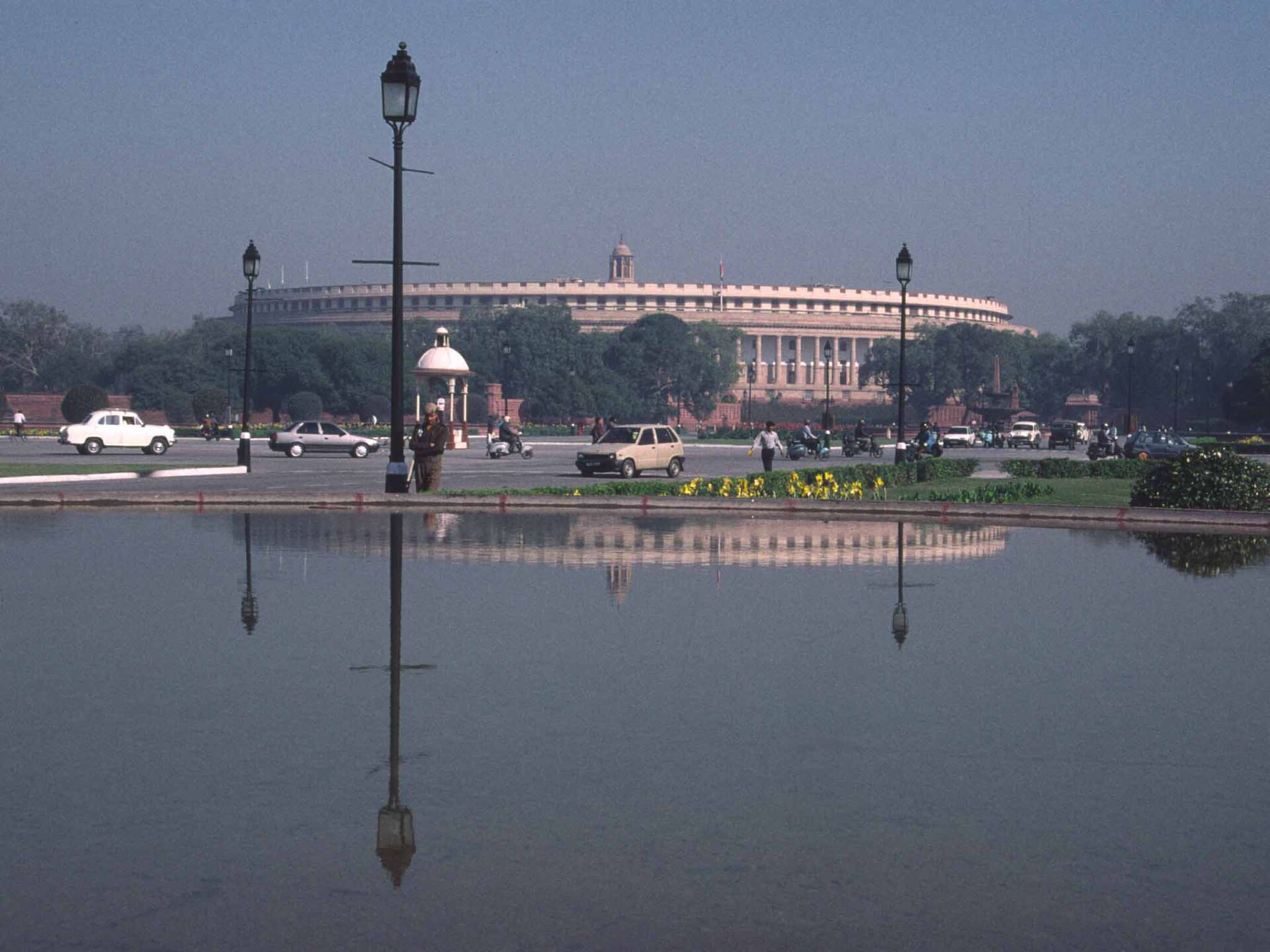
Reference view of Sansad Bhavan in New Delhi. Article 324 protects the Chief Election Commissioner through the same removal safeguards as a Supreme Court judge; a public campaign cannot replace the parliamentary process and a presidential removal order.#7
Polity & GovernanceGS 2

CEC Removal under Article 324: Parliamentary Procedure and Constitutional Safeguards

An Indian Express explainer on the INDIA bloc’s ‘public impeachment’ of Chief Election Commissioner Gyanesh Kumar has highlighted the constitutional procedure for removing the CEC. Article 324 protects the CEC through the same removal safeguards as a Supreme Court judge; a political declaration or public campaign cannot substitute for the parliamentary process and a presidential removal order.

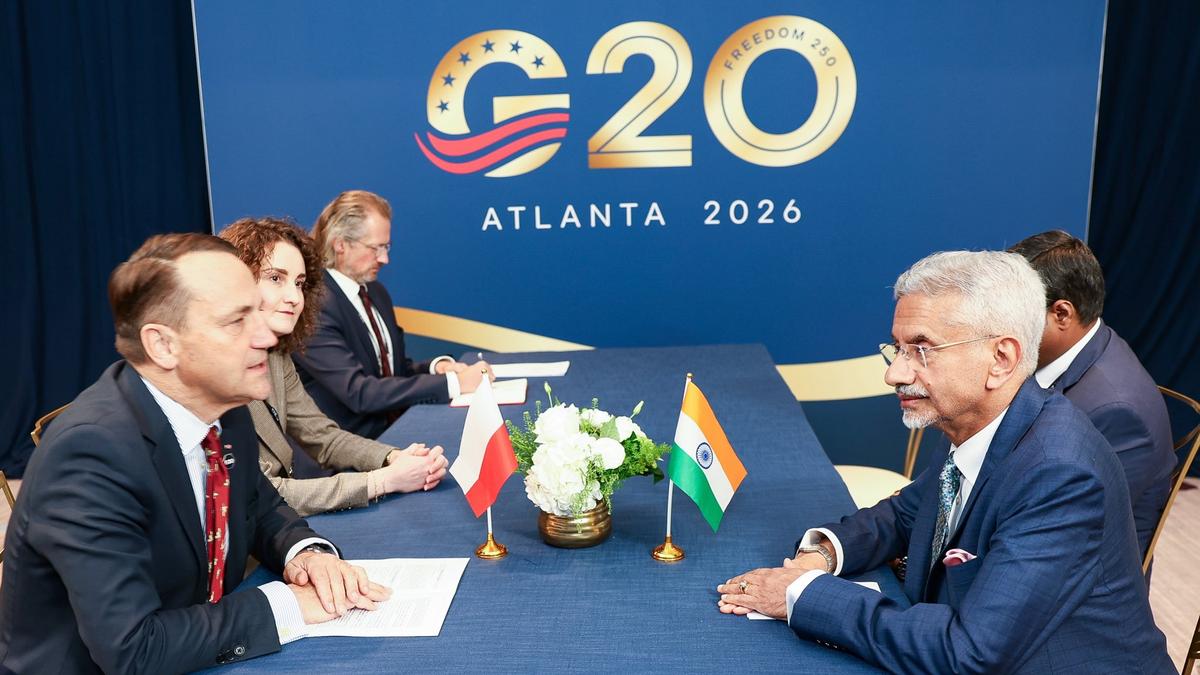
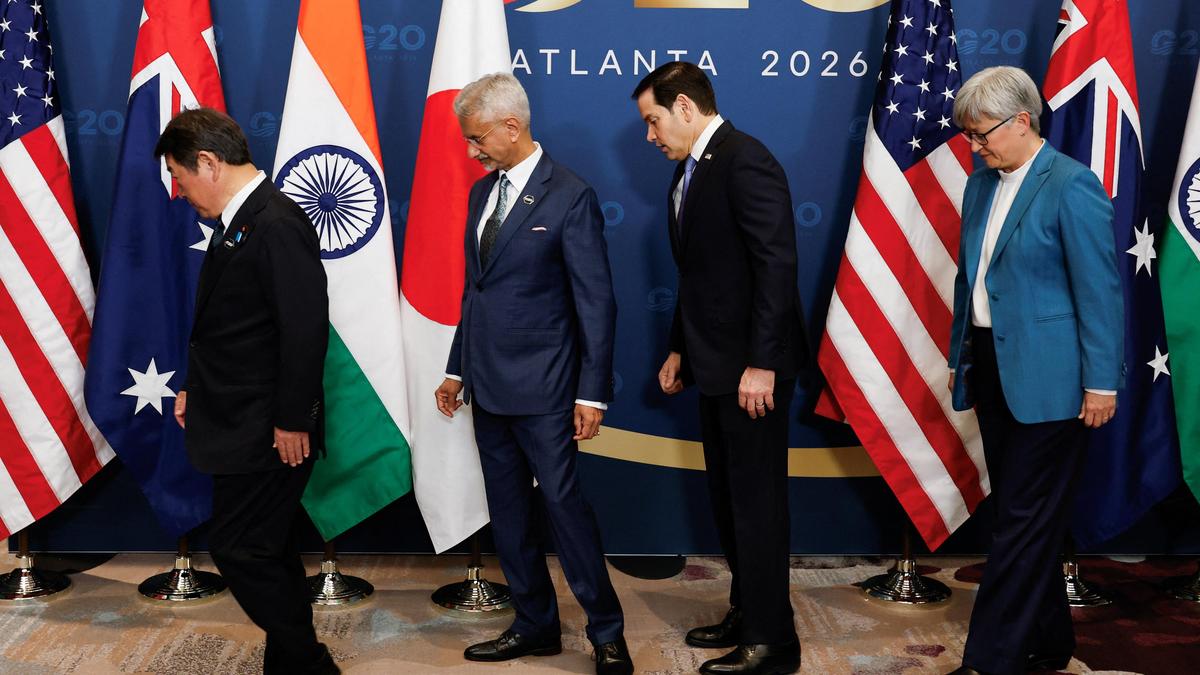
Photo from the source report: Quad Critical Minerals Cooperation: India’s Economic Security and Indo-Pacific Strategy#9
International RelationsGS 2 & 3

Quad Critical Minerals Cooperation: India’s Economic Security and Indo-Pacific Strategy

Quad foreign ministers met in Atlanta on October 31, 2026, to review cooperation on reliable and open supply chains, critical minerals, next-generation technologies and maritime issues. For India, these priorities connect economic security with its Indo-Pacific strategy by offering opportunities to diversify essential inputs and strengthen industrial capabilities. The supplied report describes a review of progress, not a new binding minerals agreement or quantified investment package.

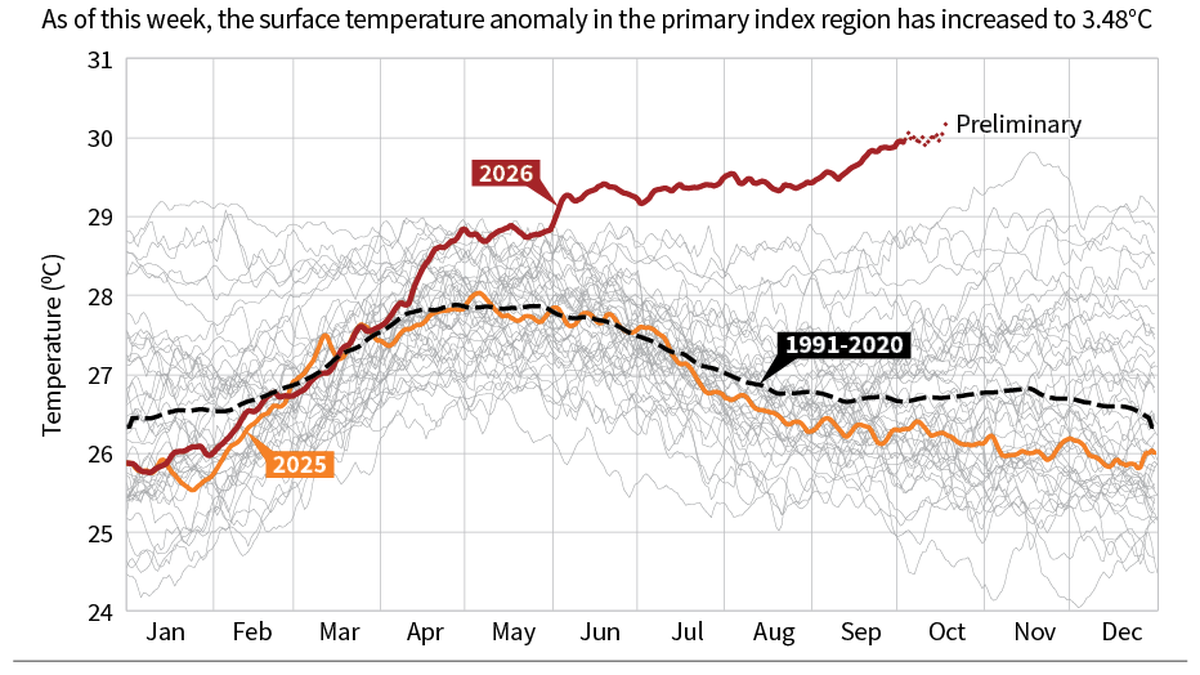
Record equatorial Pacific warmth raises concern about a strong El Niño. The reported 3.8°C peak anomaly for 2026–27 is a forecast, not an observed record; impacts on India’s monsoon remain uncertain.#10
Environment & EcologyGS 1 & 3

Record Pacific Heat and El Niño: ENSO Dynamics, Forecast Risks and India’s Preparedness

The Hindu reports record warmth in the equatorial Pacific and cites NOAA’s Climate Prediction Center as assigning an 83% likelihood to a strong-to-very-strong El Niño. It also reports a projected peak anomaly of 3.8°C for the 2026–27 event, but this remains a forecast rather than an observed record. For India, the concern is a potential disruption of rainfall and associated agricultural and water stress, not an inevitable nationwide drought.

Free UPSC daily current affairs quiz — 10 questions, new every day at 8 am IST.

Call nowWhatsApp