
Farakka Barrage
Farakka, West Bengal
Farakka Barrage: Ganga water treaty expiry brings sharing arrangements into focus
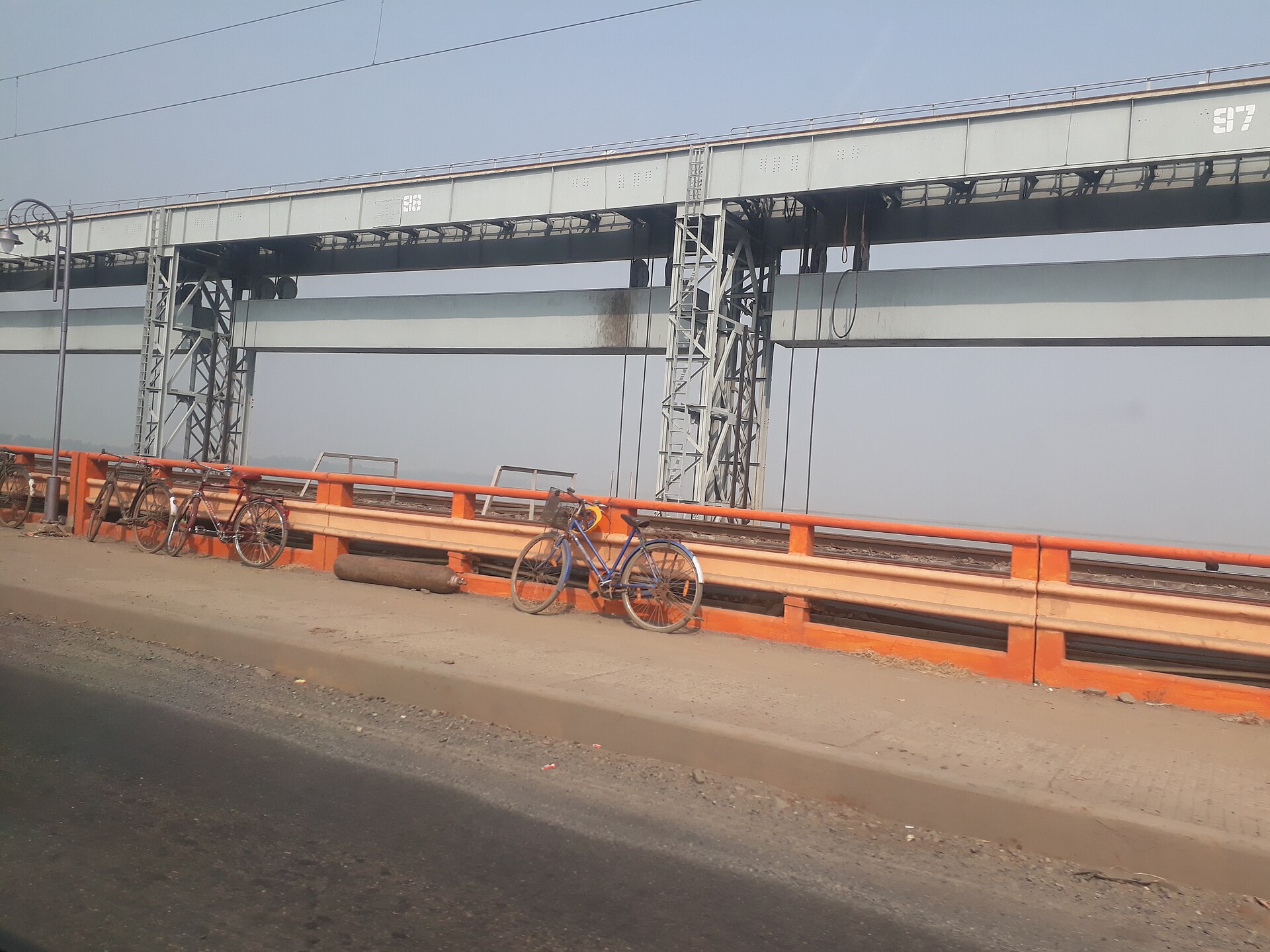
Farakka Barrage is a river-diversion structure across the Ganga in West Bengal. Its feeder canal diverts water towards the Bhagirathi–Hooghly system to help maintain navigability for Kolkata port.
Position matched with OpenStreetMap. Other numbered pins are the day's other places — tap one to open it.
Why in the news
The approaching expiry of the 1996 Ganga Water Treaty on 12 December 2026 has renewed attention to India–Bangladesh water sharing at Farakka. Bangladesh’s demands for stronger dry-season supply guarantees are central to the renewed discussion.
Read the full analysis: Ganga Water Treaty Renewal: Sharing Rules, Federalism and India–Bangladesh TrustCountry
India
State
West Bengal
River
Ganga
Commissioned
1975
Treaty parties
India and Bangladesh
Treaty signed
12 December 1996
Location
- Located across the Ganga at Farakka in West Bengal, adjoining Murshidabad district.
- Lies upstream of the Ganga’s entry into Bangladesh, where the river is known as the Padma.
- Situated east of the Rajmahal Hills of Jharkhand.
- Connected by a feeder canal to the Bhagirathi–Hooghly river system to its south.
Key features
- River-diversion barrage
- A gated structure that regulates river levels and diverts flow, rather than a high storage dam.
- Feeder canal
- Transfers part of the Ganga’s flow towards the Bhagirathi–Hooghly system.
- Downstream drainage
- The main Ganga channel continues into Bangladesh as the Padma.
- Alluvial setting
- Located within the lower Ganga’s sediment-rich alluvial plain, where erosion and deposition shape river channels.
- Navigation objective
- Freshwater diversion towards the Hooghly was intended to help flush sediment and support navigation to Kolkata port.
Flora, fauna & ecology
- Seasonal flows
- The Ganga has a strongly seasonal flow regime, with monsoon high flows and lower dry-season discharge.
- River connectivity
- The barrage affects longitudinal river connectivity, an important concern for migratory fish such as hilsa.
History & significance
- The barrage was commissioned in 1975 to divert Ganga water towards the Bhagirathi–Hooghly system.
- The 1996 Ganga Water Treaty established a 30-year framework for sharing Ganga waters at Farakka.
UPSC angle
- GS I: Trace the Ganga–Padma and Bhagirathi–Hooghly channels; distinguish the main downstream course from the feeder-canal diversion.
- GS II: India–Bangladesh relations, transboundary river cooperation and treaty renewal.
- GS III: Water-resource management, sedimentation, inland navigation and ecological effects of barrages.
- Prelims: Locate Farakka relative to Bangladesh, the Rajmahal Hills and the Hooghly; distinguish a barrage from a storage dam.
Also locate on your map
- Rajmahal Hills
- Bhagirathi River
- Hooghly River
- Padma River
- Kolkata port
- Sundarbans
Test yourself
Q1. The feeder canal associated with Farakka Barrage diverts Ganga water towards which river system?
Q2. With reference to Farakka Barrage, consider the following statements: 1. It lies upstream of the Ganga’s entry into Bangladesh. 2. The Rajmahal Hills lie to its west. Which of the statements given above is/are correct?
Sources
Background maps and imagery © Esri and partners (English labels); place positions checked with OpenStreetMap (ODbL). Boundaries are for study reference only. Prepared by Pragnya IAS Academy for exam revision.