
Attappady Infant Deaths: Land, Nutrition and Gaps in Tribal Welfare
Revise the static topic: UPSC Social Justice notes
In short: The supplied report records 10 infant deaths in Attappady in 2026, including six involving congenital anomalies; an expert committee is examining the deaths. The crisis demands attention not only to clinical care but also to land alienation, poverty and weakened traditional food systems, without assuming that these explain every death.
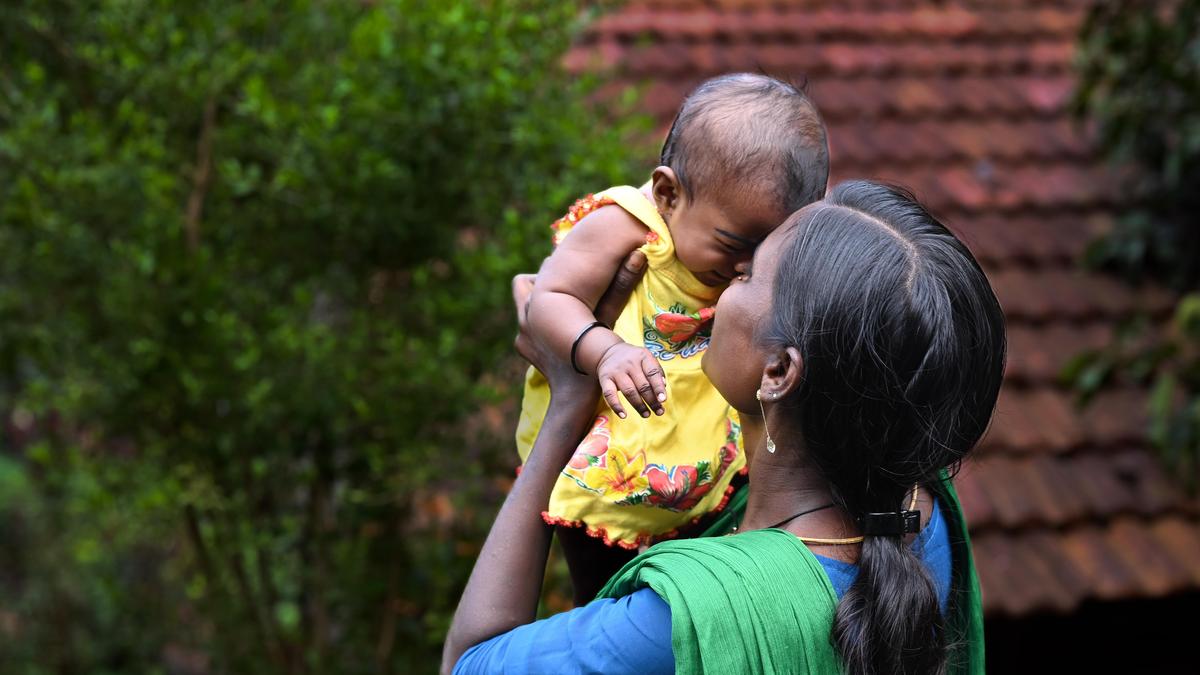
Photo from the source report: Attappady Infant Deaths: Land, Nutrition and Gaps in Tribal Welfare
Image: The Hindu
Why in news
The Hindu reports recurring infant deaths in Attappady, a predominantly tribal region in Kerala’s Palakkad district, including four deaths in October. The report highlights how structural deprivation can undermine maternal and child health despite the availability of healthcare institutions.
10
Infant deaths reported in 2026
6
Deaths involving congenital anomalies
4
Infant deaths reported in October
Background
Attappady is a predominantly tribal region in Palakkad district, Kerala. Tribal health must be understood through the social determinants of health: income, secure access to land and food, living conditions, education and access to appropriate services. Land can support both livelihoods and culturally rooted food systems, while its alienation can weaken household food security. India’s constitutional framework combines the protection of Scheduled Tribes’ interests with duties concerning nutrition and public health; these commitments require coordination across departments rather than a healthcare-only response.
What the report establishes—and what remains uncertain
The report records 10 infant deaths during 2026, with four occurring in October. Six involved congenital anomalies, including heart defects. An expert committee of doctors and researchers is examining the deaths, so final conclusions about their causes should not be presumed.
One reported case concerns Dakshina, who died after treatment at multiple hospitals. Her parents allege that a hospital withheld her body until a bill was paid. This is an attributed allegation, not an independently established finding, but it raises questions about financial protection and patient dignity.
- A death count is not an infant mortality rate; calculating the rate requires live-birth data for the corresponding population and period.
- The presence of congenital anomalies does not establish maternal malnutrition as their cause.
- The supplied material does not establish that the annual death count is rising compared with previous years.
Infographic
Land and livelihoods
Protect lawful rights and strengthen resource security.
Maternal nutrition
Ensure diverse, reliable and locally appropriate diets.
Clinical continuity
Connect diagnosis, referral, treatment and follow-up.
Financial protection
Reduce treatment, transport and income-loss burdens.
Community accountability
Combine tribal participation with transparent death reviews.
AI-assisted infographic by Pragnya IAS Academy, based on the cited sources.
How land and food insecurity can become health risks
Land alienation can reduce access to cultivation, gathered foods and livelihood security. Greater dependence on purchased food can make dietary quality more sensitive to low or irregular incomes. Erosion of traditional food systems can also weaken local knowledge and access to culturally acceptable foods.
For women, inadequate dietary intake before and during pregnancy can compound health risks. Undernutrition and anaemia are established maternal-health concerns, but their presence and contribution in individual Attappady cases require clinical evidence. Maternal deprivation can increase vulnerability without being the sole explanation for an infant’s illness or death.
- Food security involves dietary quality and regular access, not merely the availability of staple calories.
- Traditional foods should inform locally appropriate nutrition programmes without being romanticised as nutritionally sufficient in every circumstance.
- Nutrition support must reach women before pregnancy as well as during pregnancy and lactation.
Why healthcare availability is not effective access
A functioning health system must connect early identification, diagnosis, referral, treatment and follow-up. Geographic distance, transport arrangements, household expenses, communication barriers and fragmented referrals can obstruct this continuum even when hospitals exist.
The congenital anomalies reported in several deaths make diagnostic and specialist-care pathways particularly important. Screening can support timely counselling and treatment planning, but it cannot detect every anomaly or guarantee that every condition is treatable. Better nutrition and specialist care are complementary priorities.
- Emergency transport must be matched by a receiving facility prepared to provide appropriate care.
- Financial protection should address treatment expenses and indirect burdens such as travel and lost earnings.
- Respectful, culturally appropriate communication and community participation can strengthen trust and continuity of care.
Constitutional duties and rights-based welfare
Article 21’s protection of life has been judicially interpreted to include health-related obligations. Article 46 directs the State to promote the educational and economic interests of weaker sections, especially Scheduled Castes and Scheduled Tribes, and protect them from exploitation. Article 47 identifies improved nutrition, living standards and public health as primary duties of the State.
The National Food Security Act, 2013 provides nutritional entitlements for pregnant women, lactating mothers and children. The Forest Rights Act, 2006 provides a framework for recognising eligible forest rights, including community rights. These instruments can support a wider welfare response, but forest-rights recognition is not a blanket remedy for every land dispute or instance of land alienation.
- Articles 46 and 47 are Directive Principles, not independently enforceable Fundamental Rights.
- Health, nutrition, tribal welfare and land administration need shared accountability for outcomes.
- Rights recognition and service delivery should involve tribal communities as decision-makers, not merely beneficiaries.
| Policy domain | Limitation of a narrow response | Integrated priority |
|---|---|---|
| Healthcare | Hospital access alone does not ensure continuity of treatment. | Link screening, transport, referral, specialist care and follow-up. |
| Nutrition | Staple-food supply alone may not ensure dietary diversity. | Provide reliable, locally acceptable nutrition support across the maternal-child continuum. |
| Land and livelihoods | Income assistance alone does not resolve insecure resource access. | Address unlawful alienation and recognise eligible land and forest rights. |
| Governance | Department-wise expenditure does not reveal whether families receive coordinated support. | Use community participation, shared case management and outcome monitoring. |
- 1. Land alienation or insecure access to livelihood resources
- 2. Reduced own-food access and weaker household purchasing power
- 3. Less diverse or less reliable maternal diets
- 4. Greater maternal and infant vulnerability
- 5. Financial and referral barriers potentially compounding health risks
April 2026
Dakshina died after receiving care at multiple hospitals, according to the report.
October 2026
Four infant deaths were reported in Attappady.
At the time of reporting in 2026
The reported total stood at 10 infant deaths; an expert committee was examining the deaths.
Significance, challenges & way forward
Significance
- The case demonstrates why tribal child health must be assessed through both medical and social determinants.
- Disaggregated local evidence is essential because statewide health indicators can conceal deprivation within vulnerable communities.
- The reported congenital anomalies underline the need to combine nutrition interventions with diagnostic and specialist services.
- Land and food-system policies can have health implications beyond their immediate economic objectives.
Challenges
- Incomplete cause-of-death evidence can encourage premature attribution to malnutrition or individual behaviour.
- Fragmented departmental responsibilities can leave gaps between food support, maternal care and specialist treatment.
- Travel costs, income loss and uncertain referral arrangements can make nominally available care difficult to use.
- Land-related grievances require case-specific legal scrutiny and cannot be resolved by nutrition schemes alone.
- Programmes designed without community participation may overlook local diets, language needs and livelihood realities.
Way forward
- Complete multidisciplinary death reviews and communicate findings transparently while protecting family privacy.
- Maintain accurate live-birth and death records alongside cause-specific information to assess outcomes meaningfully.
- Strengthen preconception counselling, antenatal care, nutrition assessment and clinically indicated diagnostic services.
- Establish accountable referral pathways with transport, receiving-facility coordination and post-treatment follow-up.
- Combine statutory food entitlements with locally appropriate dietary diversification developed with tribal women and community institutions.
- Address unlawful land alienation through applicable legal processes and recognise eligible forest rights with effective community participation.
- Create a district-level convergence mechanism linking health, tribal welfare, nutrition, livelihoods and grievance redress.
Key terms
- Infant mortality rate
- Deaths of children below one year of age per 1,000 live births in a given period.
- Social determinants of health
- The social and economic conditions in which people live that influence health risks and access to care.
- Land alienation
- Loss of ownership, possession or effective control over land, including through unlawful or exploitative transfers.
- Congenital anomalies
- Structural or functional abnormalities originating before birth that may be identified before birth, at birth or later.
- Dietary diversity
- Consumption of a variety of foods across food groups, supporting access to different nutrients.
- Continuum of care
- Coordinated services linking stages of life and levels of healthcare without avoidable breaks in support.
Link with static syllabus
Prelims practice MCQs
Q1. With reference to constitutional provisions relevant to tribal welfare and public health, consider the following statements: 1. Article 46 specifically refers to the educational and economic interests of Scheduled Castes and Scheduled Tribes. 2. Article 47 concerns nutrition, living standards and public health. 3. Both provisions are independently enforceable Fundamental Rights. Which of the statements given above are correct?
Q2. A report provides only the number of infant deaths in a region during a year. Which additional information is essential to calculate its infant mortality rate?
Q3. Consider the following statements: 1. The National Food Security Act, 2013 provides nutritional entitlements for pregnant women, lactating mothers and children. 2. The Forest Rights Act, 2006 provides for recognition of eligible community forest rights. 3. The Forest Rights Act automatically restores every parcel of alienated tribal land, irrespective of eligibility or land category. Which of the statements given above are correct?
Q4. Regarding the interpretation of congenital anomalies in infant-death reporting, consider the following statements: 1. Their presence by itself proves maternal malnutrition caused the deaths. 2. Early detection may help treatment planning but cannot guarantee that every condition is treatable. Which of the statements given above is/are correct?
Mains practice questions
GS 2 · 15 marks · 250 words
Tribal child-health outcomes cannot be improved through healthcare interventions alone. Discuss with reference to land alienation, traditional food systems and maternal nutrition, drawing lessons from Attappady.
Frequently asked questions
Why are Attappady’s infant deaths a social-justice issue?
The report connects maternal and child health with poverty, land alienation and erosion of traditional food systems. These factors concern unequal access to resources and effective public services, not healthcare alone.
Were all the reported deaths caused by malnutrition?
The supplied material does not establish this. Six deaths involved congenital anomalies, and an expert committee is examining the deaths.
How can land alienation affect maternal nutrition?
It can reduce household access to cultivation, local foods and secure livelihoods, increasing dependence on purchased food. Where incomes are inadequate or unstable, dietary quality and regular access may suffer.
What should be the immediate policy priority?
Ensure uninterrupted maternal and infant care, timely referrals, nutrition support and financial protection while completing evidence-based death reviews. Longer-term action must address livelihood insecurity and land-related grievances.
Sources
- The Hindu: In Keralam, the children beyond healthcare
Analysis prepared by the Pragnya IAS Academy current-affairs desk with AI assistance from the cited reports. Verify figures with the original sources.
Turn current affairs into marks
Join Pragnya IAS Academy's mentorship for daily answer-writing evaluation on stories like this — classroom programmes from a trusted name in IAS coaching in Hyderabad.