
U.S.–Iran Strikes and Nuclear Bridge Deal: Diplomacy, Hormuz and India’s Energy Security
Revise the static topic: UPSC International Relations notes
In short: U.S. President Donald Trump said American forces struck an Iranian air defence system on November 6, 2026, while Tehran was reviewing Qatar-mediated nuclear proposals. The proposed bridge deal links economic and maritime relief to international inspections, but remains unaccepted; its prospects matter for nuclear non-proliferation, Gulf stability and India’s energy security.
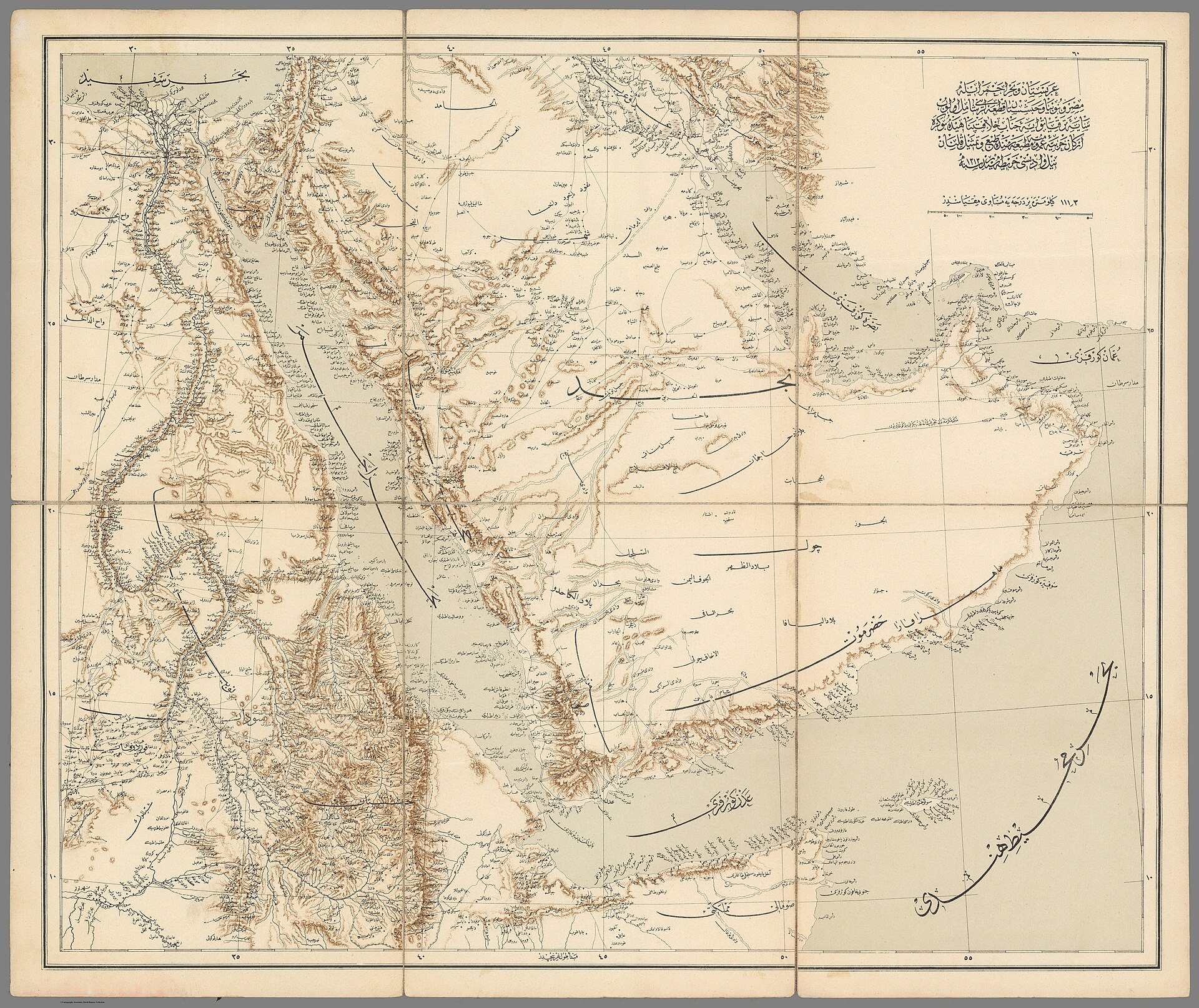
Historical map of the Strait of Hormuz region, providing geographic context for the Gulf shipping chokepoint central to maritime security and India’s energy imports. Historical boundaries do not represent present-day borders.
Image: Erkan-I Harbiye-I Umumiye. [General Staff Of The Ottoman Army]. · Public domain
Why in news
The Hindu reports fresh U.S. military action alongside a Qatar-mediated proposal for reciprocal confidence-building measures before substantive nuclear negotiations. Iran continues to demand concessions before entering nuclear talks.
440.9 kg
Iranian uranium stockpile cited in reports
Up to 60%
Reported uranium enrichment
90%
Weapons-grade enrichment benchmark
Two days
Proposed trust-building window
Background
Iran is a party to the Nuclear Non-Proliferation Treaty, which combines non-proliferation obligations, peaceful nuclear cooperation and a commitment to disarmament. The International Atomic Energy Agency verifies nuclear material under applicable safeguards arrangements; it is not a military enforcement body. Iran maintains that its nuclear programme is peaceful, while enrichment and verification remain central international concerns. The Strait of Hormuz, between Iran and Oman, connects the Persian Gulf with the Gulf of Oman and is a strategic route for oil and gas shipments. India’s exposure arises from imported energy, maritime commerce and its extensive relations with West Asian countries.
What happened: military pressure alongside mediation
Trump said U.S. forces carried out a limited strike against an Iranian air defence system on November 6. Iranian state media reported explosions in the Suza area of Qeshm Island. These are attributed accounts: the supplied reports do not independently establish the full operational outcome.
At the same time, officials cited anonymously by The Hindu said Iran was reviewing proposals presented by Qatar. The White House declined to comment on the proposals, although Trump acknowledged continuing mediator-led discussions. Reviewing a proposal is not equivalent to accepting it or commencing substantive nuclear negotiations.
- Iran’s stated preconditions include ending the U.S. port blockade, sanctions relief, release of frozen assets, compensation and an end to regional hostilities.
- The reported bridge proposal is narrower than Iran’s full demand set and does not establish that all these conditions have been accepted.
- The source contains an inconsistent date reference for the latest strikes; its opening account and repeated references identify November 6.
Infographic
Military restraint
Reduce escalation and make negotiated commitments credible.
Reciprocal relief
Pair blockade and asset measures with verified actions.
Nuclear transparency
Restore IAEA access and address material-accounting gaps.
Maritime stability
Secure lawful, predictable passage through Hormuz.
India’s preparedness
Protect energy supplies, shipping and Indian nationals.
AI-assisted infographic by Pragnya IAS Academy, based on the cited sources.
The bridge deal: reciprocal steps before a final settlement
According to regional officials, the proposal envisages trust-building measures over two days. Lifting the U.S. blockade and releasing some frozen Iranian funds would be exchanged for access by IAEA inspectors to nuclear sites bombed by the U.S. and Israel.
On the second day, Iran would reopen the Strait of Hormuz under a modified Iran–Oman arrangement that, according to the reports, has not received U.S. approval. This would be temporary, pending a permanent arrangement involving other Gulf countries. Extensive talks on enriched uranium and other nuclear issues would follow.
- The proposal seeks to resolve a sequencing deadlock: Iran wants relief before nuclear talks, while Washington wants the nuclear issue addressed in a war-ending agreement.
- Initial inspection access is a confidence-building measure, not a comprehensive settlement of enrichment or stockpile questions.
- The reports do not provide the text, monitoring rules or an agreed dispute-resolution mechanism.
Military escalation and nuclear diplomacy: leverage or sabotage?
Military pressure may be intended to increase bargaining leverage, but its diplomatic effects are uncertain. Continuing attacks can strengthen perceptions of vulnerability, narrow political space for compromise and raise doubts about whether concessions will actually produce security.
A bridge deal offers an alternative logic: limited, reciprocal measures can generate evidence of compliance before either side undertakes larger commitments. Its viability depends on credible restraint, workable sequencing and a clear distinction between verified actions and political assurances.
- Operationally limited strikes can still have wider consequences when they occur near strategic shipping routes.
- Linking nuclear negotiations to hostilities elsewhere in the region increases the number of actors whose conduct can disrupt an agreement.
- Domestic pressure over fuel prices may encourage compromise, but does not guarantee de-escalation.
Non-proliferation and legal questions
The reports cite an IAEA assessment of 440.9 kg of uranium enriched up to 60%, against the cited weapons-grade benchmark of 90%. Enrichment increases the proportion of fissile uranium-235. A high enrichment level is a serious proliferation concern, but it does not by itself demonstrate possession of a nuclear weapon or an operational weapons capability.
Restored inspection access could help establish the condition of affected sites and account for nuclear material. However, access to bombed sites alone cannot settle every question concerning stockpiles, enrichment activities or the continuity of safeguards information.
Under the UN Charter framework, force is generally prohibited, subject to recognised exceptions such as self-defence and Security Council authorisation. Describing a strike as defensive does not itself establish legality. The supplied material is insufficient to determine the legality of the strikes, blockade or proposed maritime arrangements.
- A durable settlement requires verifiable nuclear commitments rather than reliance on military degradation alone.
- IAEA verification should remain technically independent and distinct from political bargaining.
- Maritime arrangements must be assessed against applicable international law, not merely bilateral political consent.
India’s exposure: energy, shipping and strategic autonomy
For India, the principal risk is wider Gulf disruption rather than dependence on any single supplier. Threats to Hormuz can affect crude oil and liquefied natural gas movements, freight costs, insurance premiums and delivery schedules. Even cargoes sourced elsewhere can become costlier when global energy markets tighten.
Higher import costs can transmit into inflation, the external account and business costs. Escalation also creates risks for Indian nationals, seafarers and commercial assets in the region. India must therefore combine de-escalation diplomacy with practical energy and consular preparedness.
- Supplier diversification reduces concentration risk but does not eliminate exposure to global price shocks or common shipping chokepoints.
- Engagement with Iran, Gulf partners and the U.S. should prioritise safe navigation, verification and civilian protection.
- Strategic autonomy requires issue-based decisions grounded in Indian interests and international law.
| Issue | Reported initial measure | Unresolved question |
|---|---|---|
| Economic relief | Lift the U.S. blockade and release some frozen Iranian funds. | Scope of sanctions relief, compensation and implementation guarantees. |
| Nuclear verification | Permit IAEA inspectors at bombed nuclear sites. | Comprehensive material accounting and longer-term verification arrangements. |
| Maritime access | Reopen Hormuz under a temporary modified Iran–Oman arrangement. | U.S. acceptance and a permanent arrangement involving other Gulf countries. |
| Nuclear programme | Begin extensive negotiations after initial measures. | Treatment of enriched uranium and other programme-related concerns. |
| Regional hostilities | Iran demands an end to hostilities, including Israeli operations in Lebanon. | Whether and how other regional actors would accept corresponding commitments. |
- 1. Secure acceptance of reciprocal confidence-building commitments through Qatar’s mediation.
- 2. Lift the U.S. blockade and release some frozen funds in exchange for IAEA access to bombed sites.
- 3. Reopen Hormuz on the second day under the proposed temporary arrangement.
- 4. Begin extensive U.S.–Iran negotiations on enriched uranium and other nuclear issues.
- 5. Pursue a permanent maritime arrangement in cooperation with other Gulf countries.
June 2025
The report refers to an Israeli bombardment; U.S. officials say Iranian air defences were substantially degraded during that episode and the early stages of the current conflict.
November 2, 2026
The U.S. military reported strikes it described as defensive; explosions were heard around Qeshm, Hengam and Bandar Abbas.
November 6, 2026
Officials said Iran was reviewing Qatar-mediated nuclear proposals; Trump also announced a fresh limited strike on an Iranian air defence system.
November 7, 2026
The Hindu published details of the proposed bridge deal, with no confirmed acceptance reported.
Significance, challenges & way forward
Significance
- The proposal offers a possible route from military confrontation to verifiable nuclear diplomacy without requiring an immediate comprehensive bargain.
- Restored IAEA access could improve transparency and reduce uncertainty concerning affected nuclear sites and materials.
- Safe passage through Hormuz would support energy supply reliability and international maritime commerce.
- Qatar’s mediation and Oman’s maritime role demonstrate the importance of regional states in crisis management.
- De-escalation would serve India’s energy, trade and diaspora-protection interests.
Challenges
- Continued strikes can undermine confidence that reciprocal concessions will produce lasting restraint.
- Iran’s broad preconditions extend beyond the limited measures described in the bridge proposal.
- The reported temporary Hormuz arrangement lacks U.S. approval, leaving a major implementation obstacle.
- Damage to nuclear facilities can complicate inspection, material accounting and reconstruction of safeguards information.
- Regional hostilities involve actors whose commitments cannot automatically be secured through U.S.–Iran talks.
- The absence of a published agreement prevents firm conclusions about enforcement, verification and remedies for non-compliance.
Way forward
- Prioritise reciprocal military restraint and communication channels to reduce miscalculation during mediation.
- Specify the sequence, scope and verification of each concession before implementation begins.
- Ensure safe, technically adequate IAEA access and an agreed process for resolving material-accounting questions.
- Design maritime arrangements consistent with international law and involving relevant regional stakeholders.
- For India, strengthen supplier and route contingency planning, assess strategic petroleum reserve readiness and coordinate with shipping and insurance stakeholders.
- Update consular and seafarer-protection plans while supporting a negotiated, verifiable resolution.
Key terms
- Bridge deal
- An interim arrangement using limited reciprocal measures to enable negotiations on a broader settlement.
- Uranium enrichment
- The process of increasing the proportion of uranium-235 in uranium.
- IAEA safeguards
- Technical measures used to verify compliance with commitments concerning the peaceful use of nuclear material.
- Coercive diplomacy
- The use or threat of pressure to induce policy change while retaining a negotiated path.
- Maritime chokepoint
- A narrow sea passage whose disruption can affect major shipping flows.
- Strategic petroleum reserve
- An emergency stockpile of crude oil intended to cushion supply disruptions.
Link with static syllabus
Prelims practice MCQs
Q1. With reference to the bridge proposal reported in the supplied material, consider the following statements: 1. It envisages IAEA access to Iranian nuclear sites bombed by the U.S. and Israel. 2. The modified Iran–Oman maritime arrangement has already received U.S. approval. 3. Extensive nuclear negotiations would follow the initial confidence-building measures. Which of the statements given above are correct?
Q2. The Strait of Hormuz connects which of the following water bodies?
Q3. Consider the following statements about nuclear enrichment and verification: 1. Enrichment increases the proportion of uranium-235. 2. Uranium enriched up to 60% by itself proves possession of an operational nuclear weapon. 3. The IAEA undertakes safeguards verification under applicable arrangements. Which of the statements given above are correct?
Q4. Regarding India’s energy security, consider the following statements: 1. Diversification of suppliers completely insulates India from a disruption at Hormuz. 2. A regional shipping disruption can affect insurance and freight costs. 3. Global energy price increases can affect India even when particular cargoes avoid the disrupted route. Which of the statements given above are correct?
Mains practice questions
GS 2 · 15 marks · 250 words
Military pressure can create bargaining leverage but also undermine nuclear diplomacy. Examine this dilemma in the context of the reported U.S.–Iran bridge proposal and discuss its implications for India.
Frequently asked questions
Has the U.S.–Iran bridge deal been finalised?
No confirmed agreement is established by the supplied reports. Officials describe a proposal under review, while Iran continues to insist on preconditions for nuclear talks.
Does uranium enriched up to 60% mean Iran has a nuclear weapon?
No. It represents a serious proliferation concern, but enrichment alone does not establish weaponisation or an operational nuclear weapon.
Why does Hormuz matter to India even with diversified suppliers?
Diversification cannot eliminate exposure to a shared maritime chokepoint or global energy prices. Disruption can affect delivery schedules, freight, insurance and the import bill.
What would IAEA access achieve?
It could help inspectors assess affected sites and account for nuclear materials under applicable arrangements. It would not, by itself, settle all outstanding nuclear questions or guarantee a political agreement.
Sources
- The Hindu: U.S. military carries out fresh targeted strikes on Iran as Tehran weighs mediator's proposals
- The Hindu: Iran reviewing proposals on Tehran’s nuclear programme: Officials
Analysis prepared by the Pragnya IAS Academy current-affairs desk with AI assistance from the cited reports. Verify figures with the original sources.
Turn current affairs into marks
Join Pragnya IAS Academy's mentorship for daily answer-writing evaluation on stories like this — classroom programmes from a trusted name in IAS coaching in Hyderabad.