New UPSC Foundation, Optional and TGPSC/APPSC batches are open — book your counselling slot.Explore coursesToday's Current AffairsToday's Daily QuizPlaces in NewsCall 98804 87071

Pragnya Daily · 6:00 am IST

UPSC Daily Current Affairs Analysis

Every morning our editors scan The Hindu, Indian Express, Times of India, PIB, Down To Earth, RBI, ministries, the World Bank, IMF and UN agencies, and turn the 10 most exam-relevant stories into syllabus-mapped analysis with infographics, Prelims MCQs and Mains model answers.

10 stories dailyGS paper mappingInfographicsPrelims MCQsMains model answers

Today's edition

Wednesday, 25 November 2026

10 analysed stories

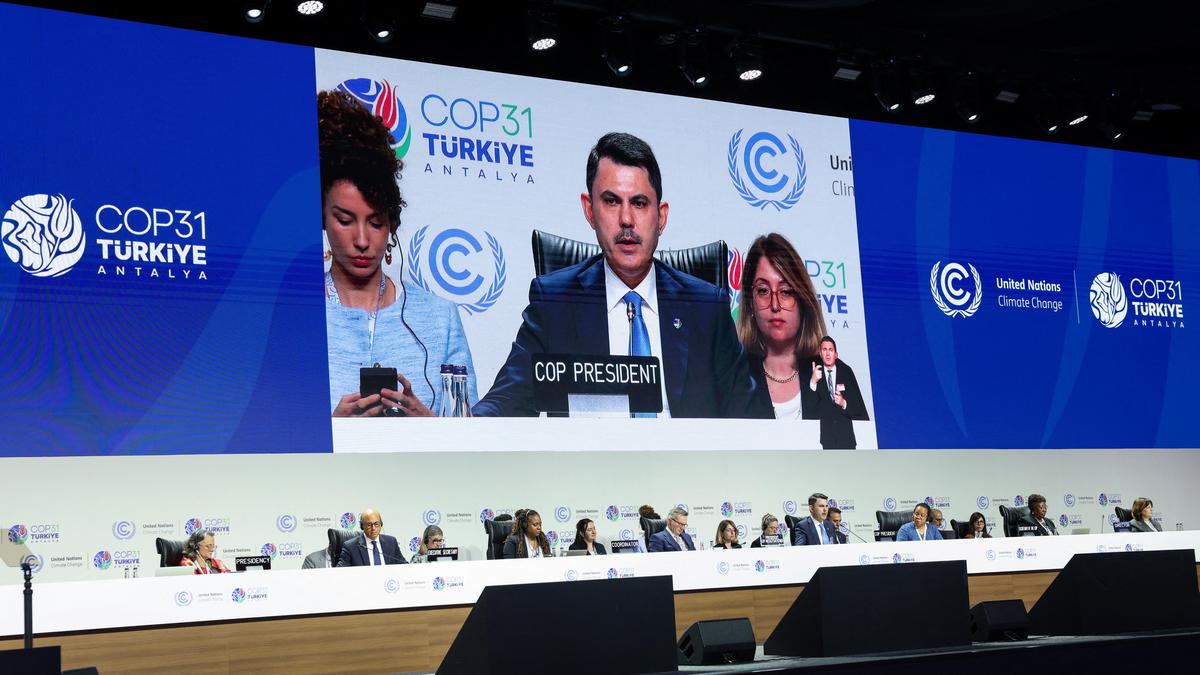
Photo from the source report: COP31 Deadlock: Fossil Fuel Phase-out, Climate Finance and India’s Equity Case#1
Environment & EcologyGS 3

COP31 Deadlock: Fossil Fuel Phase-out, Climate Finance and India’s Equity Case

According to the supplied reports, COP31 in Antalya, Türkiye, ended without an agreed overarching cover decision after countries split over fossil fuel phase-out language and climate finance. The impasse exposes the difficulty of combining science-based mitigation with equitable burden-sharing, predictable finance and nationally determined energy transitions. Failure to adopt the cover text does not terminate the Paris Agreement or necessarily invalidate progress on separate negotiating tracks.
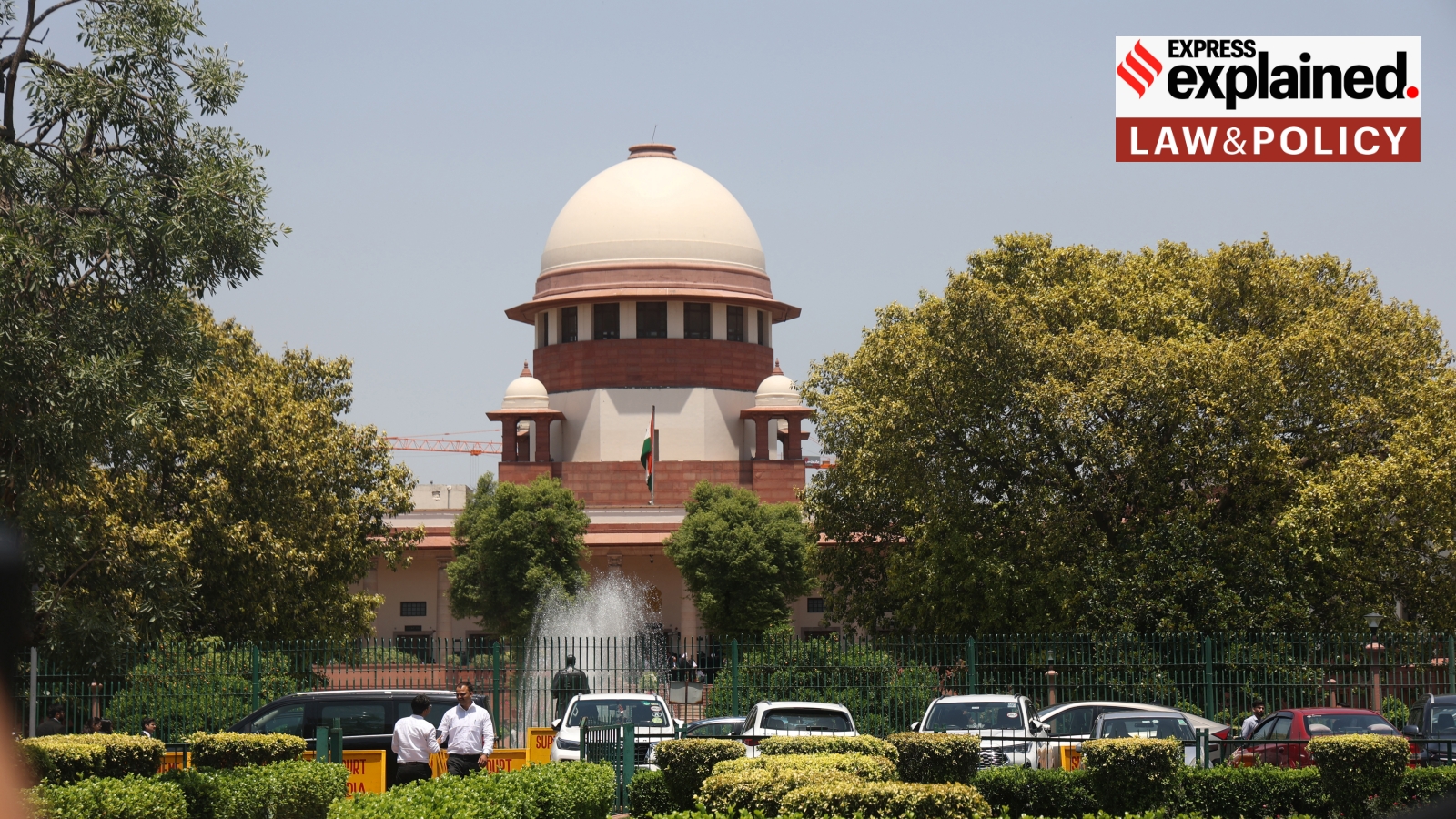

The Indian Express report on the Supreme Court’s notice to the Centre and the Chief Justice of India concerning judicial appointments. Issuing notice does not establish wrongdoing or resolve the dispute.#2
Polity & GovernanceGS 2

Judicial Appointments: Supreme Court Notice and the Collegium Accountability Debate

The supplied Indian Express headline reports that the Supreme Court issued notice to the Centre and the Chief Justice of India concerning judicial appointments. The development raises questions about how the appointments process can preserve judicial independence while ensuring transparency and institutional accountability; issuing notice does not establish wrongdoing or settle the dispute.

Reference view of the Peace Palace in The Hague, Netherlands, seat of the International Court of Justice, which adjudicates disputes between states. This 2006 photograph does not depict the reported judgment.#3
International RelationsGS 2

ICJ Rohingya Genocide Verdict: State Responsibility, Enforcement and Refugee Return

On November 19, the International Court of Justice held Myanmar responsible for genocide against the Rohingya, according to the supplied reports, marking its first finding of direct state responsibility for committing genocide. The judgment requires measures for accountability, reparation and safe return, but implementation faces Security Council politics, continuing conflict and entrenched discrimination.

Reserve Bank of India’s Securitisation Transactions Amendment Directions, 2026—the regulatory document at the centre of the discussion on credit availability, prudent risk transfer and financial stability.#5
EconomyGS 3

RBI Securitisation Amendments 2026: Credit Availability, Risk Transfer and Stability

The RBI has finalised the Securitisation Transactions Amendment Directions, 2026, after examining stakeholder feedback on its draft. Separate amendments cover commercial banks, small finance banks, non-banking financial companies and All India Financial Institutions. Their significance lies in balancing credit availability with prudent risk transfer, but the supplied announcement does not contain the operative provisions needed to assess the specific regulatory changes.

Reference view of women marching in Bogotá, Colombia, with a banner reading “No more violence against us,” illustrating collective demands to end gender-based violence.#8
Social JusticeGS 1 & 2

UN Femicide Findings: Gender Violence, Justice Gaps and India’s Protection Framework

An estimated 47,000 women and girls were killed by intimate partners or family members in 2025, according to the 2026 Femicide Brief published by UNODC and UN Women. Alongside evidence of low reporting and barriers to justice, the findings show why gender-based violence requires preventive protection, survivor-centred services and institutional accountability, not merely stronger punishments.

India’s landslide susceptibility mapping covers approximately 4.3 lakh square kilometres, providing a basis for risk-informed land use, infrastructure planning and preparedness.#10
Geography & DisastersGS 1 & 3

India’s Landslide Susceptibility Mapping: From Relief to Risk-Informed Planning

India has completed landslide susceptibility mapping across approximately 4.3 lakh square kilometres, according to an announcement at the World Landslide Forum in Faridabad. The exercise supports a shift from post-disaster relief towards prevention and preparedness, but its practical value depends on integration with land-use regulation, infrastructure design, forecasting and community action.

Free UPSC daily current affairs quiz — 10 questions, new every day at 8 am IST.

Call nowWhatsApp