
Friday, 20 November 2026
Today's UPSC Daily Digest
The gist of today's most important news for the exam, plus a 10-minute quiz to lock it in.
Today's quiz
Pragnya IAS Daily Current Affairs Quiz | 20 November 2026
10 questions · Polity · Economy · International Relations · Environment · Science & Tech
Today's current affairs in brief
1. Environment & Ecology · GS 3
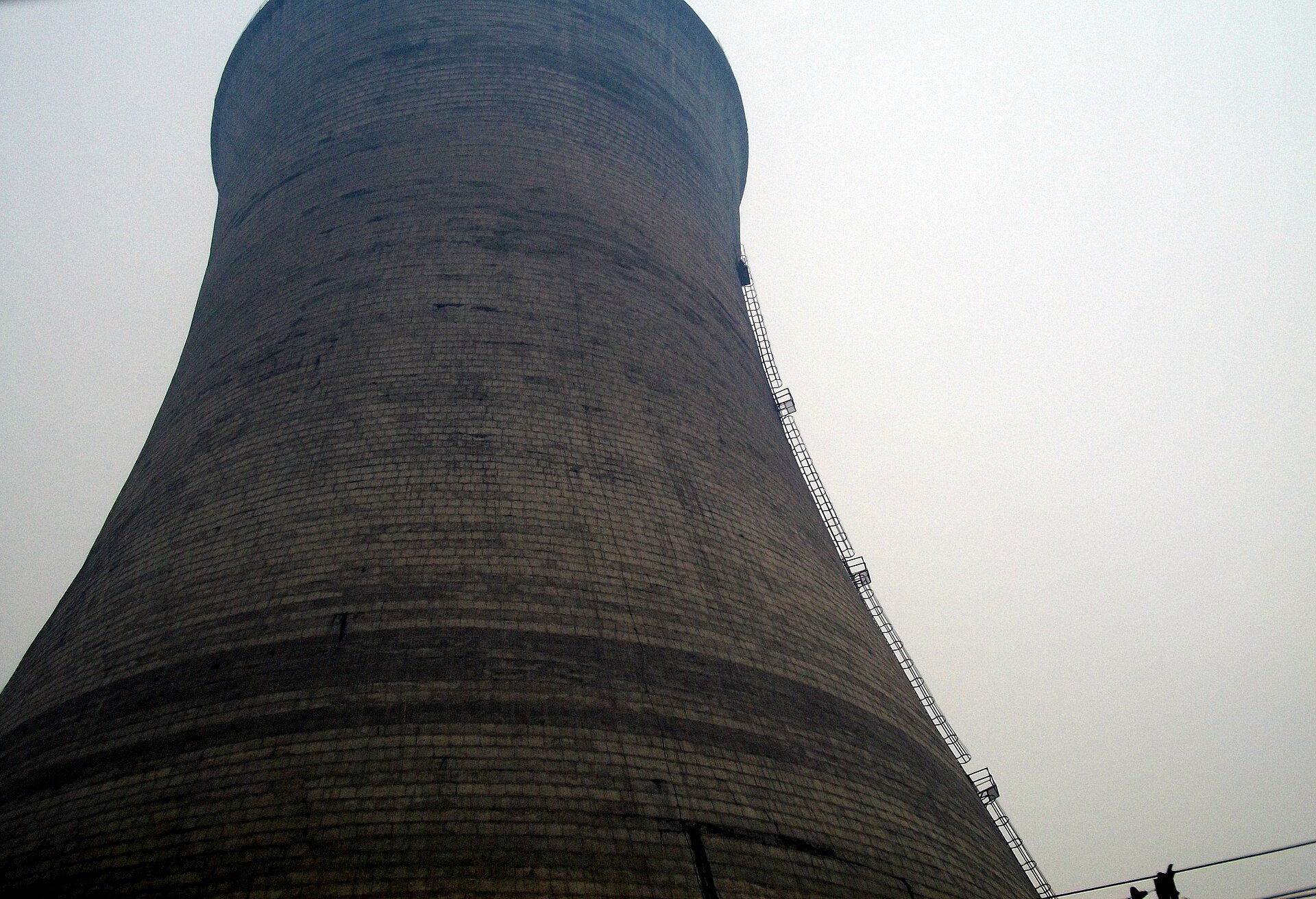
COP31 Draft: Fossil-Fuel Transition, Climate Finance and Equity DivideThe revised COP31 draft cover text dated November 19, 2026, removes references to fossil-fuel phase-out, net-zero dates and a firm adaptation-finance target sought by developing countries. It also drops a proposed call to phase out unilateral trade measures such as CBAM, exposing disagreements over how climate action should distribute costs and responsibilities. These are changes to a negotiating draft, not an adopted outcome or amendments to the Paris Agreement.
2. International Relations · GS 2
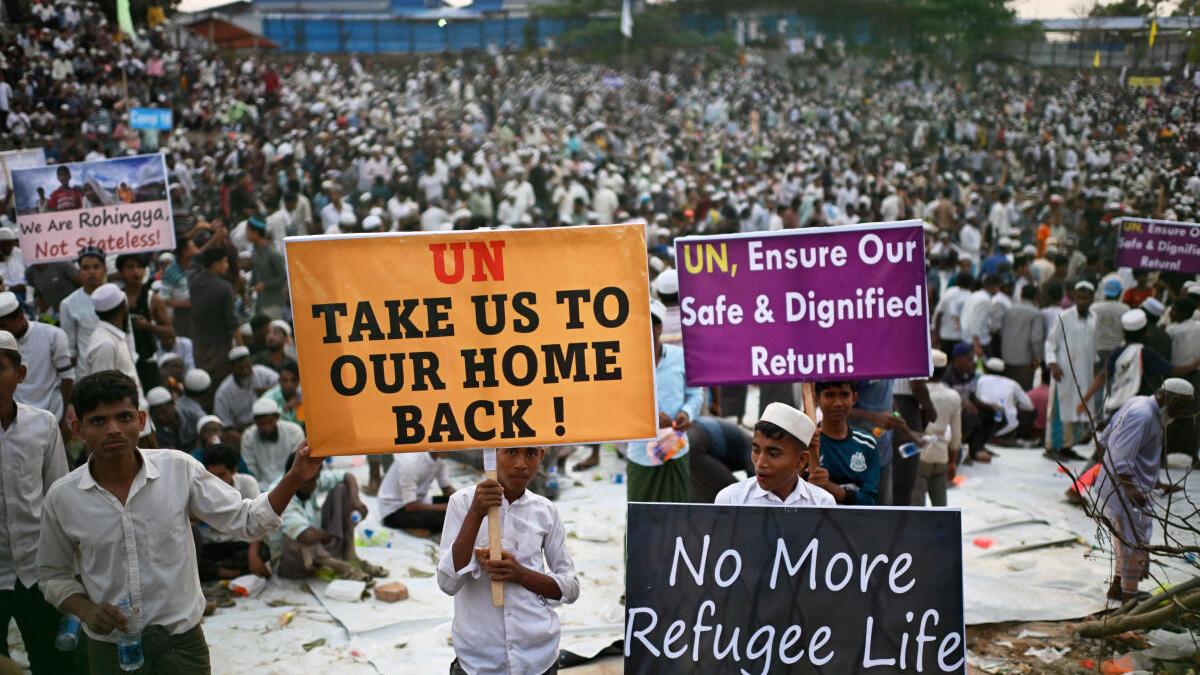
ICJ Rohingya Genocide Ruling: State Responsibility, Enforcement and Safe ReturnAccording to the supplied reports from The Hindu, the International Court of Justice ruled on November 19, 2026 that Myanmar committed genocide against the Rohingya, ordering safe, voluntary and dignified return, investigation and punishment of those responsible, and compensation. The judgment establishes state responsibility under the Genocide Convention, but translating legal accountability into refugee protection depends on implementation, security and restoration of rights.
3. Polity & Governance · GS 2
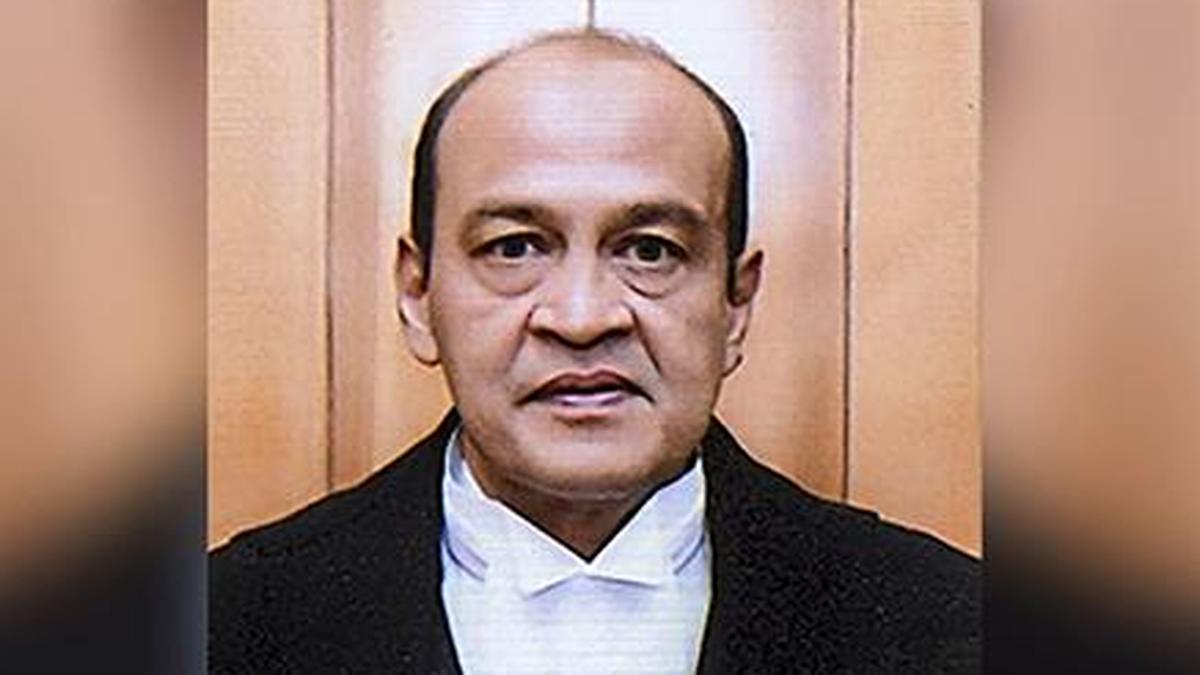
Justice Varma’s Resignation: Judicial Removal Procedure and AccountabilityJustice Yashwant Varma has argued that parliamentary proceedings for his removal as a High Court judge cannot continue after his resignation. His contention raises an unresolved question about the relationship between removal from office and wider accountability, following an inquiry committee’s finding that the charges against him were proved.
4. International Relations · GS 2
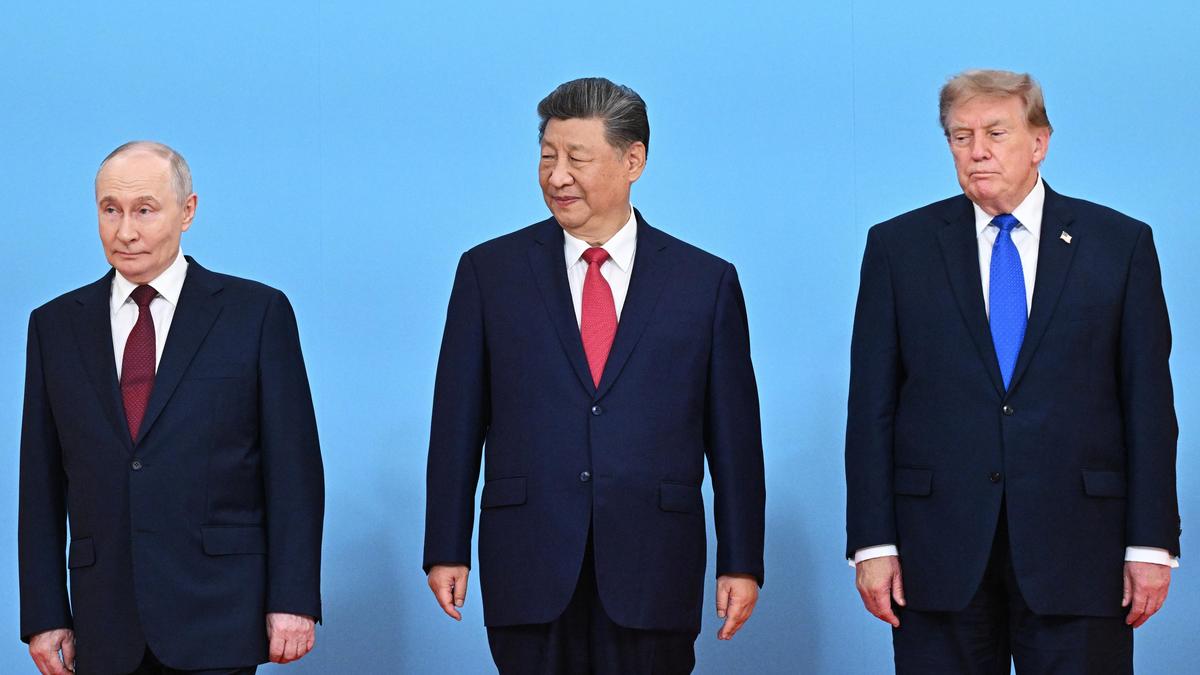
Shenzhen Summit: Nuclear Risk Reduction, Great-Power Bargains and India's Strategic AutonomyAccording to the supplied reports, Xi Jinping, Donald Trump and Vladimir Putin met in Shenzhen on November 19, 2026, and agreed to launch a dialogue on reducing nuclear risks. The summit produced broad commitments rather than substantive settlements on Ukraine or Iran, raising the question of whether great-power cooperation will strengthen international security or marginalise other states.
5. Reports & Indices · GS 2 & 3
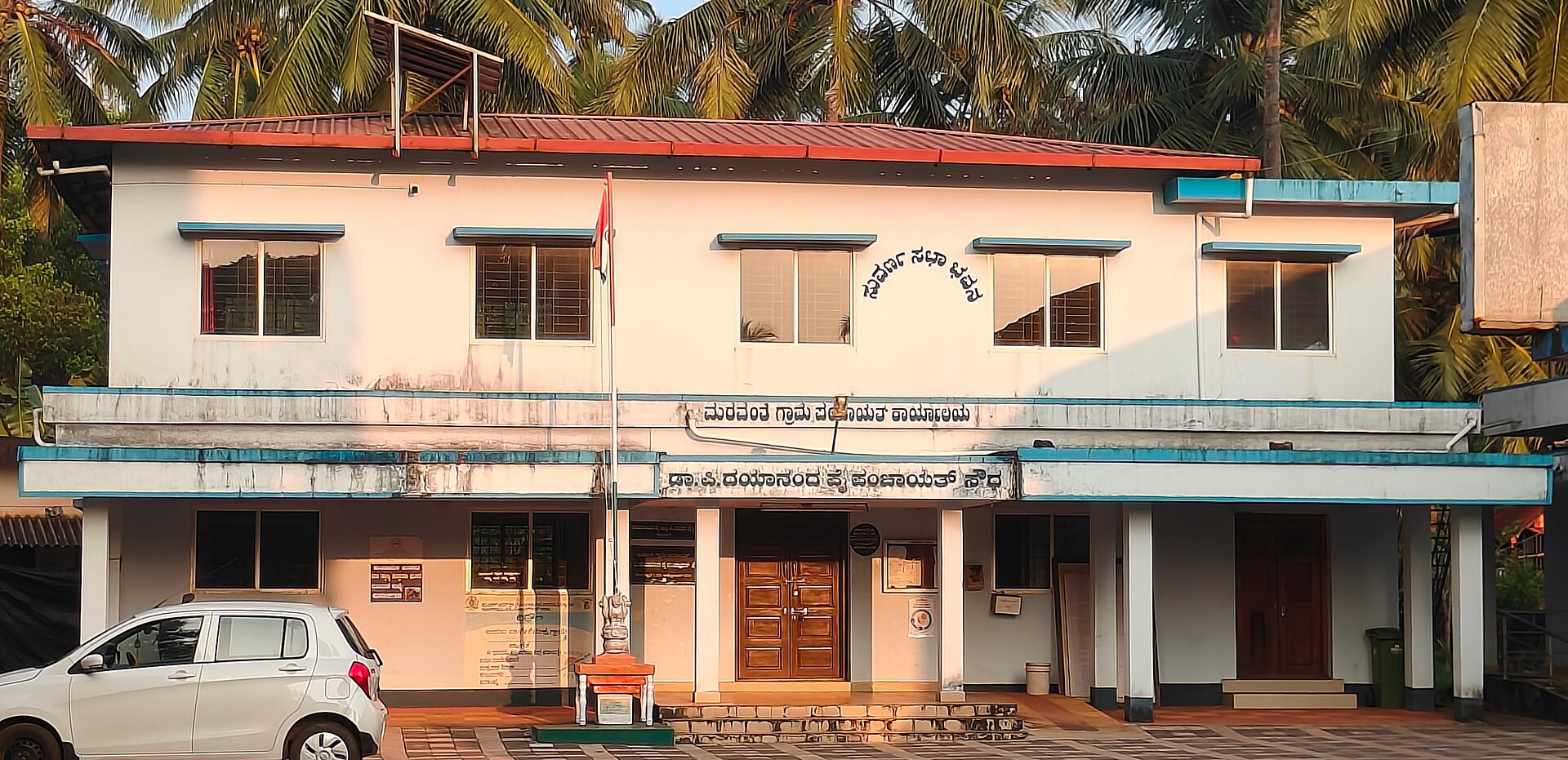
RBI Report on Panchayat Finances: Revenue Autonomy and Rural Capacity GapsThe RBI’s second biennial report on Panchayati Raj finances finds that intergovernmental transfers account for about 90 per cent of Gram Panchayat receipts, while own-source revenues contribute about 10 per cent. It highlights the need to strengthen local revenue mobilisation and administrative capacity so that fiscal decentralisation translates into effective rural service delivery.
6. Economy · GS 3
India’s Crude Import Bill Surge: External Stability, Inflation and Energy SecurityIndia’s October crude import bill rose 87.5% year-on-year to $19.5 billion, while import volumes increased 11%, according to provisional PPAC data reported by The Hindu. Higher petroleum product export earnings provided a partial cushion, but sustained energy-price increases could widen the current account deficit, raise inflation and complicate exchange-rate and fiscal management.
7. Geography & Disasters · GS 1 & 3
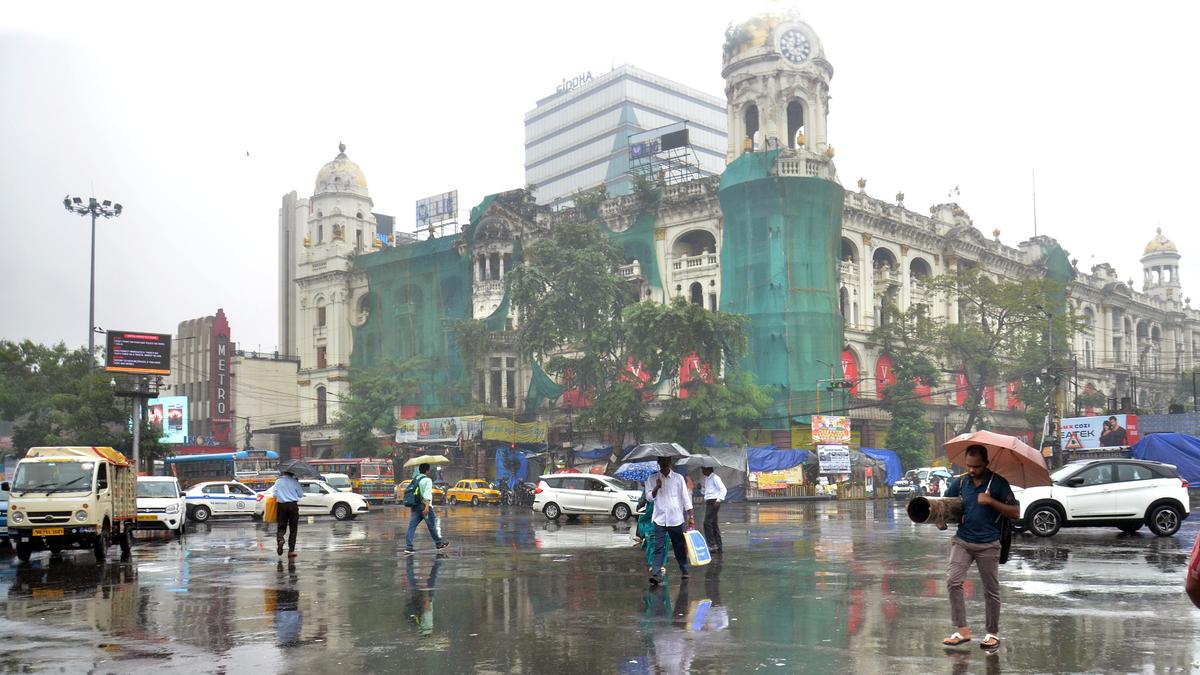
Cyclone Akvan: Bay of Bengal Cyclogenesis, Evacuations and Coastal ResilienceSevere Cyclonic Storm Akvan was forecast to cross the north Andhra Pradesh–south Odisha coast near Gopalpur by noon on November 20, 2026, prompting mass evacuations and emergency deployments. The episode highlights how favourable ocean–atmosphere conditions can support successive cyclones, and why accurate forecasts must translate into inclusive evacuation and resilient coastal services.

8. Polity & Governance · GS 2
Electoral-Roll Revision: ECI Powers, Due Process and Safeguards Against Wrongful DeletionAccording to the supplied editorial, the Election Commission of India has expanded corrective measures for electors deleted during Special Intensive Revision, including additional opportunities for restoration and stronger deletion safeguards. The central issue is whether these remedies adequately protect eligible voters, particularly migrants and those facing documentation difficulties, while maintaining accurate electoral rolls.

9. Reports & Indices · GS 1 & 2
UNFPA 2026: India’s Youth Dividend, Reproductive Agency and Family AspirationsUNFPA’s 2026 State of World Population Report highlights how financial insecurity and inadequate opportunities prevent young people from realising their aspirations for partnerships and children. For India, the central policy lesson is that a demographic dividend requires investment in productive employment, education, healthcare and reproductive agency, rather than a narrow focus on population size.
10. Science & Technology · GS 3
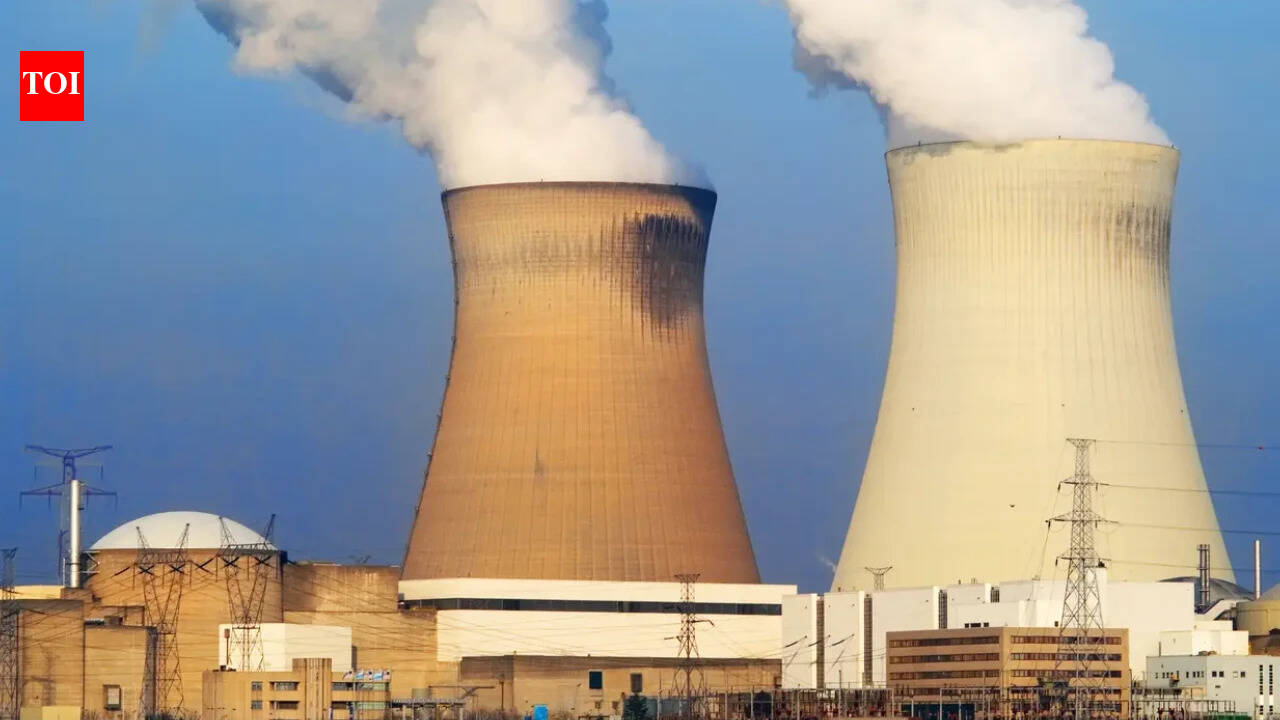
AERB Clears RAPP-8’s First Approach to Criticality: Nuclear Safety ExplainedThe Atomic Energy Regulatory Board has approved the first approach to criticality for Rajasthan’s RAPP-8. This permits progression towards a controlled, self-sustaining nuclear chain reaction; it does not establish that criticality has been achieved or that commercial electricity generation has begun.