
ICMR Flags Anaemia and B12 Deficiency: Rethinking Screening and Nutrition
Revise the static topic: UPSC Social Justice notes · UPSC Science & Technology notes
In short: The supplied report attributes to ICMR the findings that over 50 per cent of women of reproductive age are anaemic and two-thirds of adolescents are deficient in vitamin B12. These findings highlight the need to address dietary deficiencies alongside blood loss, infections and inherited disorders, rather than treating every case of anaemia as iron deficiency.
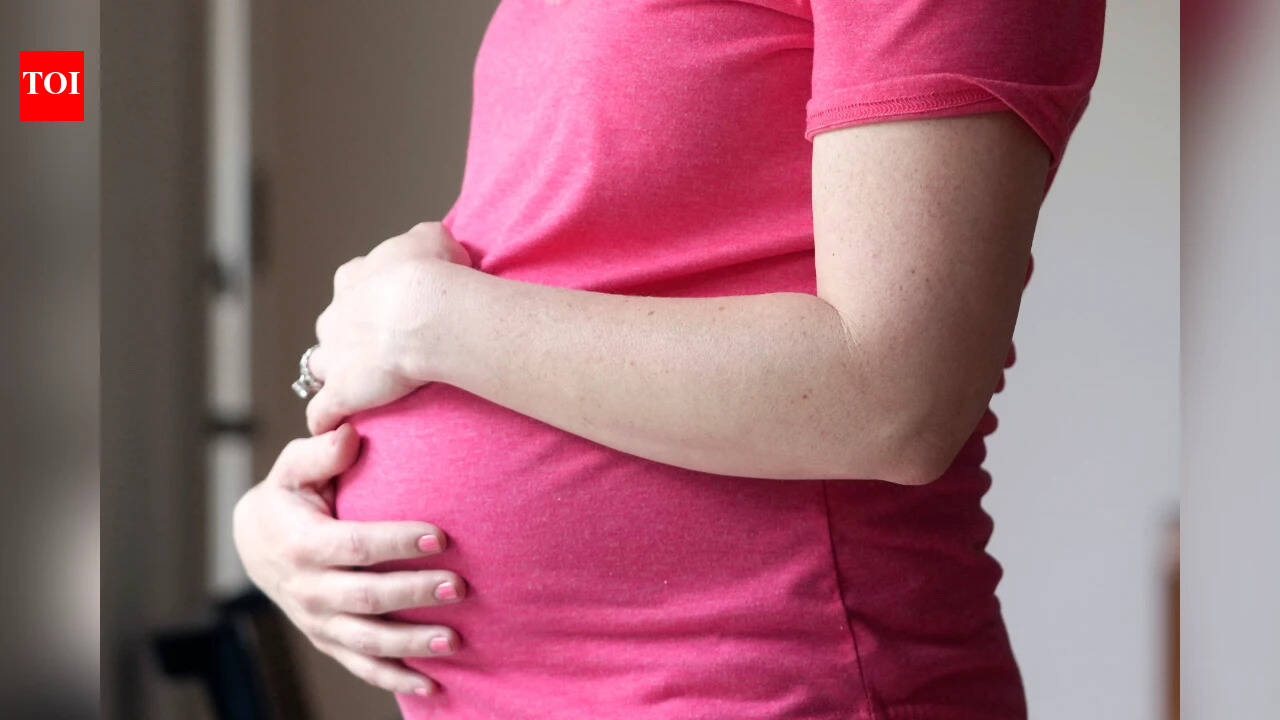
Photo from the source report: ICMR Flags Anaemia and B12 Deficiency: Rethinking Screening and Nutrition
Image: Times of India
Why in news
A Times of India report citing ICMR flags widespread anaemia among women of reproductive age and vitamin B12 deficiency among adolescents. It brings attention to the adequacy of screening, dietary diversity and cause-specific care under programmes such as Anaemia Mukt Bharat.
Over 50%
Women of reproductive age reported anaemic
Two-thirds
Adolescents reported deficient in vitamin B12
Background
Anaemia is a condition in which haemoglobin concentration falls below the appropriate reference threshold, reducing the blood's oxygen-carrying capacity. It is not synonymous with iron deficiency: inadequate iron, folate or vitamin B12, blood loss, infections, chronic inflammation and inherited haemoglobin disorders can contribute. Adolescence and pregnancy increase nutritional demands, while menstrual blood loss adds to women's vulnerability. Anaemia Mukt Bharat is India's life-course strategy for reducing anaemia through measures including iron–folic acid supplementation, deworming, behaviour change, testing and treatment, fortified foods in public programmes and attention to non-nutritional causes.
What the report establishes—and what it does not
The source reports two distinct findings: a high burden of anaemia among women of reproductive age and widespread vitamin B12 deficiency among adolescents. Together, they support a broader focus on micronutrient adequacy rather than calorie intake alone.
The supplied extract does not identify the underlying study, sampling frame, survey period, diagnostic thresholds or geographical coverage. The figures should therefore be presented as reported findings, not independently verified national estimates or evidence of a recent increase.
- The two findings concern different population groups and cannot be combined to estimate how much anaemia is attributable to vitamin B12 deficiency.
- Vitamin B12 deficiency can occur without anaemia; haemoglobin testing alone cannot identify all affected adolescents.
- The report does not establish that any particular government programme has failed.
Infographic
Diverse diets
Ensure iron, folate and reliable vitamin B12 sources.
Quality screening
Identify anaemia without assuming its cause.
Targeted diagnosis
Assess deficiencies, bleeding, infection and inherited disorders.
Effective delivery
Connect supplementation with counselling and follow-up.
Equitable outcomes
Reach excluded groups and track treatment response.
AI-assisted infographic by Pragnya IAS Academy, based on the cited sources.
Nutritional drivers: Beyond iron alone
Iron is required for haemoglobin formation, while folate and vitamin B12 are essential for normal red blood cell production. A monotonous diet can provide adequate calories while remaining deficient in these micronutrients. Low intake, poor absorption and increased physiological requirements may coexist.
Naturally occurring vitamin B12 is obtained mainly from animal-source foods. People consuming little or none of these foods need reliable fortified foods or supplementation where appropriate. Iron absorption also depends on dietary composition: vitamin C supports absorption of non-haem iron, while tea consumed with meals can inhibit it.
- Dietary counselling should combine locally available pulses, vegetables and vitamin C-rich foods with culturally acceptable sources of vitamin B12.
- Food access, affordability and intra-household distribution matter alongside individual dietary knowledge.
- Persistent deficiency despite adequate intake requires assessment for malabsorption or other underlying illness.
Non-nutritional drivers require cause-specific care
Heavy menstrual bleeding and gastrointestinal blood loss can deplete iron stores even when diets improve. Hookworm infection can cause chronic blood loss, malaria can destroy red blood cells, and chronic inflammation can impair iron utilisation. Kidney disease can also reduce red blood cell production.
Inherited disorders such as thalassaemia and sickle cell disease require distinct diagnostic and management pathways. Such conditions may coexist with nutritional deficiency; neither indiscriminate iron treatment nor an assumption that all anaemia is genetic is appropriate.
- Menstrual health assessment should be part of adolescent and women's anaemia services.
- Deworming, malaria control and sanitation interventions should reflect local epidemiology and programme guidelines.
- Severe, recurrent or treatment-unresponsive anaemia needs clinical evaluation and referral rather than repeated supplementation alone.
Implications for screening and Anaemia Mukt Bharat
Haemoglobin testing identifies anaemia but does not establish its cause. A practical approach combines programme-based screening with dietary and menstrual history, clinical assessment and targeted investigations. Where indicated, these may include a complete blood count, iron-status assessment, vitamin B12 or folate testing and evaluation for inherited disorders.
Anaemia Mukt Bharat already recognises multiple intervention pathways. The policy priority is to strengthen delivery and connect supplementation with follow-up, dietary diversity and referral. The reported B12 finding warrants examination of the underlying evidence and targeted responses; it does not, by itself, establish the case for universal laboratory testing.
- Continue iron–folic acid prophylaxis as prescribed by programme guidelines while distinguishing prevention from treatment of diagnosed anaemia.
- Use schools, Anganwadi services and primary healthcare platforms to connect nutrition counselling, screening and follow-up.
- Reach out-of-school adolescents and women who do not regularly access maternal health services.
- Track treatment response and referral completion alongside tablet distribution.
| Driver | Why it matters | Policy or clinical response |
|---|---|---|
| Iron deficiency | Insufficient iron limits haemoglobin formation. | Guideline-based supplementation, improved diets and assessment of blood loss. |
| Vitamin B12 or folate deficiency | Impaired red blood cell production can cause anaemia; B12 deficiency can also affect nerves. | Targeted assessment and appropriate replacement; ensure reliable dietary or fortified sources. |
| Menstrual or gastrointestinal blood loss | Continuing losses can undermine nutritional treatment. | Identify and treat the source of bleeding alongside correction of deficiency. |
| Infection and inflammation | May cause blood loss, red cell destruction or impaired iron utilisation. | Treat underlying illness and integrate context-specific infection control. |
| Inherited haemoglobin disorders | Abnormal haemoglobin production or structure can cause anaemia. | Appropriate testing, counselling and disease-specific care. |
- 1. Reach eligible groups through community, school and primary healthcare platforms.
- 2. Measure haemoglobin using quality-assured methods and assess symptoms and severity.
- 3. Review diet, menstrual blood loss, infection risks, relevant illness and family history.
- 4. Use targeted investigations and referral when clinically indicated.
- 5. Provide cause-specific treatment, nutrition support and adherence counselling.
- 6. Reassess response and investigate persistent or recurrent anaemia.
Significance, challenges & way forward
Significance
- Reducing anaemia supports maternal health, physical capacity, learning and economic participation.
- Attention to vitamin B12 broadens nutrition policy beyond calories and iron alone.
- Adolescent nutrition services can address deficiencies before pregnancy and help reduce intergenerational nutritional disadvantage.
- Cause-specific care can improve treatment effectiveness and reduce delays in identifying non-nutritional disease.
Challenges
- The source extract lacks methodological details needed to assess representativeness and compare the reported findings with other surveys.
- Haemoglobin-only screening cannot distinguish nutritional deficiency from blood loss, inflammation or inherited disorders.
- Limited access to diagnostic tests and referral services can obstruct evaluation of persistent anaemia.
- Supplement-related discomfort, weak counselling and interrupted supplies can undermine adherence.
- Affordability, dietary restrictions and unequal food allocation can limit access to diverse diets.
- School-centred delivery may miss out-of-school adolescents unless community outreach is built in.
Way forward
- Examine the underlying ICMR evidence, including population coverage, testing methods and subgroup findings, before making national extrapolations.
- Preserve guideline-based iron–folic acid delivery while strengthening assessment for B12 deficiency and other causes where indicated.
- Make affordable dietary diversity central to nutrition services, with reliable B12 sources suited to local dietary preferences.
- Integrate menstrual health, infection control and inherited-disorder referral into anaemia care.
- Strengthen diagnostic quality assurance, supply continuity and follow-up at primary healthcare facilities.
- Assess programme performance through effective coverage, treatment response and equity, not distribution figures alone.
Key terms
- Anaemia
- Haemoglobin concentration below the appropriate reference threshold, reducing oxygen-carrying capacity.
- Iron deficiency
- Insufficient body iron; it can exist before anaemia develops.
- Vitamin B12
- A micronutrient essential for normal red blood cell production, DNA synthesis and neurological function.
- Hidden hunger
- Micronutrient deficiency that may occur even when calorie intake is adequate.
- Bioavailability
- The proportion of a consumed nutrient that the body can absorb and use.
- Haemoglobinopathy
- An inherited disorder affecting haemoglobin structure or production.
- Food fortification
- The deliberate addition of essential micronutrients to food to improve its nutritional quality.
Link with static syllabus
Prelims practice MCQs
Q1. With reference to anaemia, consider the following statements: 1. Every case of anaemia is caused by iron deficiency. 2. Vitamin B12 deficiency can occur without anaemia. 3. Chronic inflammation can contribute to anaemia. Which of the statements given above are correct?
Q2. Consider the following pairs: 1. Vitamin C — Supports absorption of non-haem iron 2. Hookworm infection — Can cause chronic intestinal blood loss 3. Thalassaemia — Acquired deficiency of vitamin B12 Which of the pairs given above are correctly matched?
Q3. Which of the following provisions of the Constitution most directly directs the State to raise the level of nutrition and improve public health?
Q4. With reference to anaemia screening and prevention, consider the following statements: 1. Haemoglobin testing alone establishes the underlying cause of anaemia. 2. Anaemia Mukt Bharat includes attention to non-nutritional causes. 3. Persistent anaemia despite treatment may require further investigation. Which of the statements given above are correct?
Mains practice questions
GS 2 · 15 marks · 250 words
Anaemia is not merely an iron-deficiency problem. Discuss its nutritional and non-nutritional drivers and suggest measures to strengthen Anaemia Mukt Bharat.
Frequently asked questions
Is anaemia always caused by iron deficiency?
No. Vitamin B12 or folate deficiency, blood loss, infections, inflammation and inherited haemoglobin disorders can also cause anaemia.
Does adolescent B12 deficiency explain the reported anaemia among women?
The supplied source does not establish that link. The findings concern different groups, and attributing anaemia to a particular deficiency requires diagnostic evidence.
Can a haemoglobin test detect all vitamin B12 deficiency?
No. Vitamin B12 deficiency can occur without anaemia, so clinical assessment and targeted testing may be needed.
What is the main implication for Anaemia Mukt Bharat?
Strengthen existing supplementation and prevention while improving dietary diversity, cause-specific evaluation and follow-up. The report supports a broader response, not abandonment of iron–folic acid interventions.
Sources
- Times of India: ICMR: Over 50 per cent of women of reproductive age anaemic
Analysis prepared by the Pragnya IAS Academy current-affairs desk with AI assistance from the cited reports. Verify figures with the original sources.
Turn current affairs into marks
Join Pragnya IAS Academy's mentorship for daily answer-writing evaluation on stories like this — classroom programmes from a trusted name in IAS coaching in Hyderabad.