
ECI Orders Form 8 Corrections in SIR Rolls: Procedure and Voter Safeguards
Revise the static topic: UPSC Polity notes · UPSC Governance notes
In short: On November 25, 2026, the Election Commission of India directed correction of erroneous particulars in completed Special Intensive Revision rolls during the ongoing Special Summary Revision in 25 States and Union Territories. Corrections require a signed Form 8, official verification and approval; automated mismatch detection cannot itself change an entry. The directive seeks to improve electoral-roll accuracy while protecting electors against unverified changes.
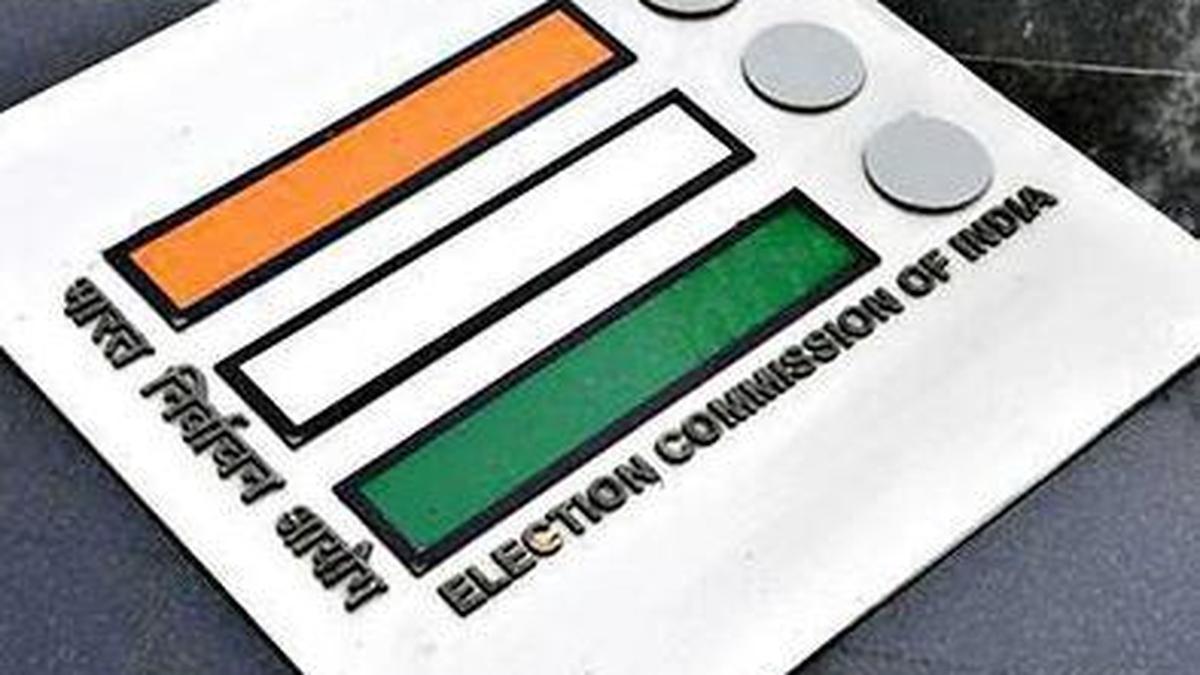
Photo from the source report: ECI Orders Form 8 Corrections in SIR Rolls: Procedure and Voter Safeguards
Image: The Hindu
Why in news
The ECI issued the directive following complaints about incorrect entries in final published SIR rolls. The ongoing SSR in the covered States and Union Territories uses January 1, 2027, as its qualifying date.
25
States and UTs covered
Background
An electoral roll is the official list of persons registered as electors in a constituency. The Election Commission of India supervises electoral-roll preparation under Article 324, while the Representation of the People Act, 1950, and the Registration of Electors Rules, 1960, provide the statutory framework for registration, revision, correction and appeals. Eligibility rests on citizenship, the prescribed voting age, ordinary residence and absence of statutory disqualification. Revision maintains the roll through inclusion of eligible persons, correction of particulars and lawful removal of ineligible entries; it must not become a mechanism for arbitrary exclusion.
What the ECI has directed
Existing particulars of affected electors must be compared with the corresponding information collected during SIR. The directive covers errors in particulars such as name, relation name or type, date of birth, mobile number and photograph.
A mismatch must be flagged for verification rather than treated as proof that either record is correct. Booth Level Officers must visit the concerned electors, verify their particulars and obtain a duly filled-in and signed Form 8 wherever correction is required.
The Assistant Electoral Registration Officer or Electoral Registration Officer must examine and dispose of applications under the prescribed procedure. Although the exercise will use the relevant modules on ECINet, no change may be made solely on the basis of automated identification.
- The direction applies where SIR has been completed and SSR is under way.
- Every correction under this exercise requires the elector's signed Form 8 and prescribed verification and approval.
- The directive concerns correction of particulars; it is not a general authorisation for deletion of names.
Infographic
Compare
Check existing particulars against corresponding SIR information.
Verify
BLO visits establish the correct particulars.
Apply
Obtain a duly filled-in and signed Form 8.
Approve
Competent authority examines and decides the application.
Protect
No automated change; use separate remedies for omitted names.
AI-assisted infographic by Pragnya IAS Academy, based on the cited sources.
Understanding revision, correction and inclusion
Intensive and summary revisions differ in how the electoral roll is prepared or updated. An intensive revision involves fresh preparation through an intensive verification exercise, whereas a summary revision uses the existing roll as its base, with publication and opportunities for claims and objections. The reported exercise uses the ongoing SSR to correct errors remaining in the completed SIR rolls.
Form 8 is appropriate when an existing elector's particulars require correction. A missing name presents a different problem: an eligible person may need an inclusion application through Form 6 or the applicable remedy against a deletion order. Correcting an entry and restoring a deleted name should not be conflated.
The qualifying date is the reference date for determining age eligibility for registration. January 1, 2027, is the qualifying date specified for this SSR; it is not an election date or, by itself, the deadline for every application.
- An existing but inaccurate entry calls for correction through the prescribed process.
- Absence from the roll requires examination of inclusion or restoration remedies, not merely correction of particulars.
- Possession of a voter identity card does not substitute for checking whether the person's name appears in the relevant electoral roll.
Constitutional mandate and statutory accountability
Article 324 vests the superintendence, direction and control of electoral-roll preparation and specified elections in the ECI. This constitutional authority operates within the applicable statutory framework; it does not dispense with procedures prescribed by election law.
Article 325 requires one general electoral roll for each territorial constituency for elections to Parliament or a State Legislature and prohibits exclusion, or a claim to a special roll, solely on grounds of religion, race, caste or sex. Article 326 establishes adult suffrage for elections to the Lok Sabha and State Legislative Assemblies, subject to constitutional and legal qualifications.
The Representation of the People Act, 1950, governs electoral-roll preparation and registration, including correction, inclusion and appeals. BLOs perform field-level verification, while statutory decision-making rests with the competent registration authorities. A software-generated flag cannot replace their examination of the facts.
- Constitutional supervision must be combined with statutory procedure and non-discriminatory administration.
- Field verification is an input into decision-making, not an independent power to alter the roll.
- Affected electors should have access to applicable notice, hearing and appeal safeguards.
Safeguards against wrongful exclusion
A discrepancy between datasets may reflect a transcription error, spelling variation or outdated information rather than ineligibility. The prohibition on automated changes therefore creates an important boundary between detecting an anomaly and deciding its legal consequences.
The signed application, household verification and competent-authority approval provide traceability and an opportunity to establish correct particulars. Their effectiveness, however, depends on accessible assistance, proper records and meaningful scrutiny rather than mechanical processing.
The directive addresses inaccurate particulars, not every form of exclusion. If an elector's name has been deleted or omitted altogether, officials must explain the appropriate inclusion or appeal route. Any separate adverse action must follow its own applicable legal safeguards.
- A mismatch should trigger verification, not an automatic presumption of ineligibility.
- Inability to contact an elector during a single visit should not be treated as conclusive proof of ineligibility.
- Digital processing should support, rather than displace, accessible field-level assistance.
- The reported directive does not authorise automatic restoration of all previously deleted entries.
| Situation | Appropriate route | Key safeguard |
|---|---|---|
| Incorrect particulars in an existing entry | Form 8 correction application | Signed application, verification and competent-authority approval |
| Eligible person's name is absent | Form 6 inclusion application or applicable remedy against deletion | Examine eligibility and the circumstances of omission or deletion |
| Objection to inclusion or request for deletion | Form 7 under the prescribed procedure | Grounds must be verified and applicable procedural safeguards followed |
| Mismatch between current particulars and SIR information | Flag for BLO verification; obtain Form 8 where correction is required | No change solely on automated identification |
- 1. Compare existing electoral particulars with corresponding information collected during SIR.
- 2. Flag any mismatch for verification without automatically changing the entry.
- 3. The BLO visits the concerned elector and verifies the particulars.
- 4. Obtain a duly filled-in and signed Form 8 wherever correction is required.
- 5. The AERO or ERO examines and disposes of the application under the prescribed procedure.
- 6. Effect the correction only after the required verification and approval.
October 15, November 4 and November 11, 2026
The ECI issued letters ordering SSR in the covered States and Union Territories with January 1, 2027, as the qualifying date.
November 25, 2026
The ECI directed verification and Form 8-based correction of erroneous particulars following complaints about final SIR rolls.
January 1, 2027
Specified qualifying date for the ongoing SSR, not the date of an election.
Significance, challenges & way forward
Significance
- The directive provides a corrective mechanism for errors remaining in final published SIR rolls.
- Mandatory verification limits the risk of software-generated mismatches becoming unverified changes.
- Signed applications and official approval establish a traceable basis for altering electoral particulars.
- Accurate and inclusive rolls strengthen electoral credibility and citizens' ability to participate.
- The exercise demonstrates that publication of a revised roll does not eliminate the need for subsequent lawful correction.
Challenges
- Comparing two records identifies disagreement but does not establish which record contains the correct information.
- Field verification and application processing can place substantial demands on electoral staff during revision.
- Migrants, persons with disabilities and electors with limited digital access may face difficulties completing correction procedures.
- Confusion between correction, inclusion and appeals may leave wrongly omitted electors pursuing an unsuitable remedy.
- Handling demographic particulars and photographs requires appropriate access controls and protection against misuse.
- An elector's signature cannot substitute for careful official scrutiny and lawful disposal of the application.
Way forward
- Provide clear guidance distinguishing Form 8 corrections from inclusion applications and remedies against deletion.
- Maintain accessible offline assistance alongside digital facilities, particularly for electors facing mobility or connectivity barriers.
- Record the discrepancy, verification findings, application and final decision to create an auditable correction trail.
- Communicate application status and decisions clearly, including the applicable remedy where relief is refused.
- Use automated tools only for assistance and flagging, while retaining accountable human examination and approval.
- Review recurring error patterns to improve data entry and verification without treating anomalies as proof of ineligibility.
Key terms
- Electoral roll
- The official constituency-wise list of registered electors.
- Special Intensive Revision
- An intensive electoral-roll revision exercise involving fresh preparation and verification under ECI directions.
- Special Summary Revision
- A revision exercise using the existing roll as its base, with opportunities for claims, objections and updates.
- Form 8
- The prescribed application used for correction of existing electoral particulars in the reported exercise.
- Booth Level Officer
- A field-level electoral functionary who assists with verification and electoral-roll maintenance.
- Electoral Registration Officer
- The statutory authority responsible for preparation and revision of the electoral roll for a constituency.
- Qualifying date
- The reference date used to determine whether a person meets the age requirement for electoral registration.
- Ordinary residence
- The legally relevant residential connection for registration in a constituency, assessed under electoral law.
Link with static syllabus
Prelims practice MCQs
Q1. With reference to the ECI's November 2026 directive on erroneous SIR entries, consider the following statements: 1. Existing electoral particulars are to be compared with corresponding information collected during SIR. 2. Automated identification of a mismatch is sufficient to authorise a correction. 3. Corrections require a duly signed Form 8 and prescribed verification and approval. Which of the statements given above are correct?
Q2. Consider the following pairs: 1. Article 324: ECI's supervision of electoral-roll preparation 2. Article 325: One general electoral roll and prohibition of exclusion solely on specified grounds 3. Article 326: Adult suffrage for Lok Sabha and State Legislative Assembly elections Which of the pairs given above are correctly matched?
Q3. An eligible citizen discovers that their name is entirely absent from the electoral roll. Which of the following is the most appropriate understanding of the available procedure?
Q4. What does January 1, 2027, signify in the reported Special Summary Revision?
Mains practice questions
GS 2 · 15 marks · 250 words
Electoral-roll accuracy and protection against wrongful exclusion are complementary requirements of electoral integrity. Examine with reference to the ECI's directive on correcting erroneous SIR entries through Form 8.
Frequently asked questions
Why has the ECI directed Form 8 corrections during SSR?
Complaints identified incorrect particulars in final published SIR rolls. The ECI has directed comparison with SIR information, verification and correction through signed Form 8 applications.
Can ECINet automatically change an entry after detecting a mismatch?
No. The directive prohibits changes solely on automated identification and requires prescribed verification and approval.
Does Form 8 automatically restore a deleted voter's name?
No. Correction of an existing entry differs from inclusion or restoration; an omitted elector must pursue the appropriate inclusion procedure or remedy against deletion.
Who verifies and decides correction applications?
The BLO conducts field verification and obtains the signed application where required. The AERO or ERO examines and disposes of it under the prescribed procedure.
Sources
- The Hindu: ECI directs states to correct erroneous entries in SIR rolls through Form 8 during ongoing Special Summary Revision
- Times of India: Election Commission: Rectify wrong roll entries during SSR via Form
Analysis prepared by the Pragnya IAS Academy current-affairs desk with AI assistance from the cited reports. Verify figures with the original sources.
Turn current affairs into marks
Join Pragnya IAS Academy's mentorship for daily answer-writing evaluation on stories like this — classroom programmes from a trusted name in IAS coaching in Hyderabad.