
UN Femicide Findings: Gender Violence, Justice Gaps and India’s Protection Framework
Revise the static topic: UPSC Social Justice notes
In short: An estimated 47,000 women and girls were killed by intimate partners or family members in 2025, according to the 2026 Femicide Brief published by UNODC and UN Women. Alongside evidence of low reporting and barriers to justice, the findings show why gender-based violence requires preventive protection, survivor-centred services and institutional accountability, not merely stronger punishments.

Reference view of women marching in Bogotá, Colombia, with a banner reading “No more violence against us,” illustrating collective demands to end gender-based violence.
Image: UN News
Why in news
UNODC and UN Women released new findings ahead of the International Day for the Elimination of Violence against Women on 25 November. A separate UN Women report examines the barriers survivors face in seeking assistance and accessing justice.
47,000
Estimated partner or family killings of women and girls in 2025
60%
Share of female intentional killings attributed to partners or relatives
23%
Survivors seeking help, as reported by UN Women
7%
Survivors reporting violence to police, as reported by UN Women
63–97%
Reported cases not resulting in conviction in the evidence cited
89%
Women’s rights organisations reporting reduced service access due to cuts
Background
Gender-based violence is rooted in unequal power relations and discriminatory social norms, and can involve physical, sexual, psychological and economic harm. The Convention on the Elimination of All Forms of Discrimination against Women provides a foundational international framework for substantive gender equality, while Sustainable Development Goal 5 includes eliminating violence against women and girls. In India, constitutional guarantees of equality, non-discrimination and life with dignity underpin state responsibility, and the Protection of Women from Domestic Violence Act, 2005 provides protective and compensatory remedies beyond criminal prosecution.
What the UN findings establish
The 2026 Femicide Brief estimates that partners or relatives were responsible for 60 per cent of the 78,000 intentional killings of women and girls worldwide in 2025. Around 47,000 victims were killed within these relationships, demonstrating that the home and family cannot automatically be treated as safe spaces.
UN Women’s Access to Justice for Women Survivors of Violence report draws on data from 54 countries. It describes a justice pathway in which many survivors never seek assistance, fewer approach police, and cases can fall out of the system before adjudication.
These measures capture different phenomena: lethal violence, lifetime exposure to violence, help-seeking and criminal justice outcomes. They should not be combined into a single statistical funnel or treated as directly comparable India-specific indicators.
- Africa recorded the highest reported regional rate of intimate partner and family-related femicide in the brief.
- The source reports that femicide rates declined more slowly than overall homicide rates in the Americas and Europe over the period examined.
- UN Women also found substantial online violence among surveyed women in public life; this is not a prevalence estimate for all women.
Infographic
Prevent
Challenge discriminatory norms and strengthen economic autonomy.
Protect
Connect risk assessment with shelter, healthcare and enforceable orders.
Support
Sustain legal aid, counselling and women’s organisations.
Deliver justice
Improve investigations and adjudication while safeguarding due process.
Measure
Use confidential, disaggregated data and survivor-safety indicators.
Secure digital spaces
Ensure accessible reporting and accountable platform responses.
AI-assisted infographic by Pragnya IAS Academy, based on the cited sources.
Why gender violence is structural rather than private
Violence becomes structural when unequal control over income, housing, mobility and decision-making combines with social acceptance of abuse. A survivor’s decision not to report may reflect a rational assessment of retaliation, loss of shelter, threats concerning children or financial insecurity rather than absence of violence.
Institutional practices can reinforce these constraints. Disbelief, repeated questioning, intimidation and pressure to preserve family unity may make accessing justice costly and unsafe. Social stigma and weak institutional safeguards can therefore enable both repeated abuse and impunity.
- Economic dependence can restrict the practical ability to leave an abusive household.
- Treating violence as a family dispute can displace the state’s duty to protect rights.
- Engaging men and boys should challenge entitlement and coercive behaviour without shifting responsibility away from perpetrators.
- Digital abuse can extend coercion beyond the household and restrict women’s participation in public life.
India’s constitutional and domestic violence framework
Articles 14 and 15 establish equality and non-discrimination, while Article 15(3) permits special provisions for women and children. Article 21 protects life and personal liberty, including dignity. Article 39A directs the state towards equal justice and free legal aid, and Article 51A(e) calls upon citizens to renounce practices derogatory to women’s dignity.
The Protection of Women from Domestic Violence Act, 2005 recognises physical, sexual, verbal, emotional and economic abuse. It enables protection orders, residence orders, monetary relief, temporary custody orders and compensation, including interim and ex parte relief where statutory conditions are met.
The Act’s protective remedies are distinct from prosecution for criminal offences. Breach of a protection order or interim protection order is an offence under the Act. Women are also an eligible category for legal services under the Legal Services Authorities Act, 1987; eligibility must translate into usable assistance.
- The right to reside in a shared household is not equivalent to acquiring ownership of the property.
- Protection Officers and service providers are intended to facilitate access to remedies and support.
- Effective protection requires coordination among magistrates, police, health services, shelters and legal services institutions.
- Safety planning and legal remedies should not be subordinated to forced reconciliation.

Reference view of the Supreme Court of India, illustrating the institutional context for constitutional protections and access to justice.
Image: Legaleagle86 · CC BY-SA 3.0
Reliable data and accountable justice
Police records measure recorded offences, not the full prevalence of violence. Low reporting can coexist with high victimisation, while increased reporting may indicate improved trust rather than worsening underlying incidence. Administrative records should therefore be read alongside ethically conducted population surveys and service-use data.
The cited range of cases not resulting in conviction signals serious justice-system attrition, but does not establish that every non-conviction represents institutional misconduct. Outcomes must be examined by stage and context, including investigation quality, intimidation, delay and evidentiary requirements.
Survivor-centred treatment means receiving complaints respectfully, enabling protection and avoiding retraumatisation. It does not displace the presumption of innocence, fair trial rights or the prosecution’s burden of proving guilt.
- Record the victim–perpetrator relationship and prior complaints to identify patterns hidden in aggregate homicide data.
- Disaggregate data where feasible while protecting identities and preventing re-identification.
- Assess protection-order compliance, service accessibility and survivor safety alongside case disposal.
- Do not use conviction targets as a substitute for lawful, high-quality investigation.
Service financing and technology accountability
The UN calls for justice systems that work for survivors, sustained funding for women’s rights organisations and accountability from technology companies. Funding cuts threaten the organisations that often provide the first accessible bridge to shelter, counselling and legal assistance.
Digital technologies and artificial intelligence can facilitate threats, impersonation and non-consensual sexual imagery. Responses must combine accessible reporting, timely action against unlawful content, evidence preservation and appropriate safeguards for privacy and expression.
- Emergency assistance should connect survivors to longer-term housing, livelihood and legal support.
- Platforms should provide reporting systems that are accessible, responsive and understandable to users.
- Evidence preservation should not become a reason to prolong public exposure to abusive content.
- Funding continuity is a protection measure, not merely an administrative concern.
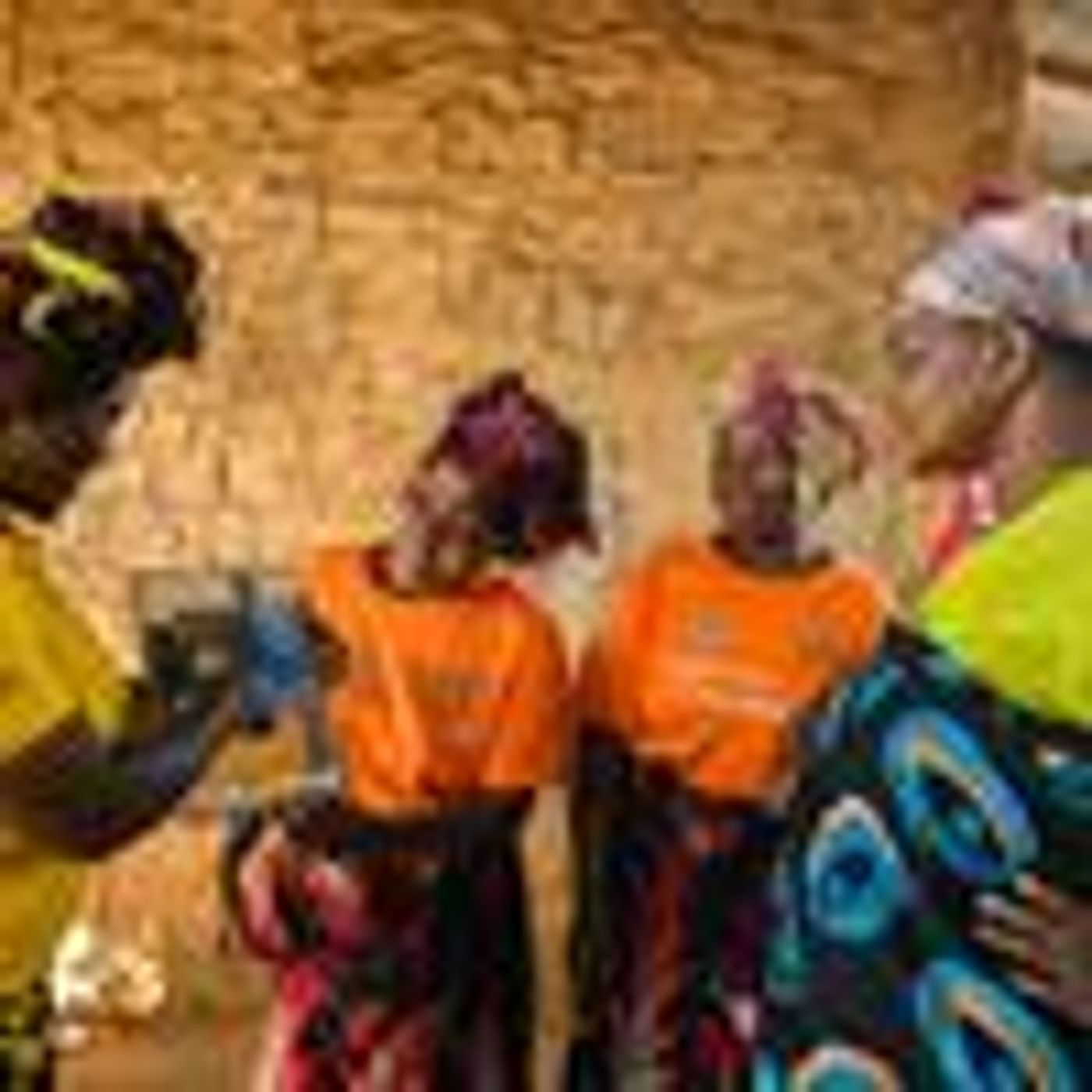
Reference view of Quibibi Faquihe Buana, a district facilitator in Mozambique’s Marrocane resettlement centre, who trains women in gender-based violence prevention and uses mobile tools to report violence.
Image: UN News
| Protection or remedy | Purpose | Implementation test |
|---|---|---|
| Protection order | Restricts specified abusive acts and conduct | Is the order served, monitored and enforced? |
| Residence order | Protects residence-related interests under the Act | Can the survivor remain safely housed without confusing residence rights with ownership? |
| Monetary relief | Addresses expenses and losses arising from domestic violence, including maintenance | Does ordered relief reach the survivor effectively? |
| Temporary custody order | Provides temporary custody arrangements for children | Are the safety and welfare of children protected? |
| Compensation order | Provides compensation for injuries, including mental torture and emotional distress | Is relief accessible and enforceable? |
| Legal aid and support services | Enable access to legal remedies and practical assistance | Are services timely, confidential and coordinated? |
- 1. Enable confidential disclosure through accessible police, health, legal aid or community channels.
- 2. Assess immediate risks and arrange emergency medical care, safe shelter and safety planning.
- 3. Explain available remedies and support informed choices without coercion.
- 4. Facilitate protection orders, legal assistance, financial support and lawful evidence collection.
- 5. Coordinate investigation and adjudication while protecting survivors and witnesses from intimidation.
- 6. Monitor compliance and support longer-term housing, livelihoods and recovery.
1995
According to the UN statement, 12 countries had domestic violence legislation.
2005
India enacted the Protection of Women from Domestic Violence Act.
2025
The UN statement reports that the number of countries with domestic violence legislation reached 104.
2026
The Femicide Brief presents estimates of partner and family-related killings of women and girls in 2025.
25 November
The International Day for the Elimination of Violence against Women begins the annual 16 Days of Activism.
10 December
Human Rights Day marks the conclusion of the annual campaign.
Significance, challenges & way forward
Significance
- The findings place intimate partner and family violence within the public responsibilities of justice, health and social protection systems.
- They demonstrate that expanding domestic violence legislation is necessary but insufficient without enforceable remedies and accessible services.
- Survivor safety supports women’s ability to pursue education, employment and public participation.
- The evidence strengthens the case for integrating digital safety into gender justice policy.
- For India, the central governance issue is whether existing legal entitlements produce timely and practical protection.
Challenges
- Fear of retaliation, stigma and financial insecurity can suppress disclosure and help-seeking.
- Fragmented institutional responsibilities can force survivors to navigate multiple agencies without effective support.
- Data gaps and inconsistent classifications complicate comparison across countries and over time.
- Intimidation, repeated questioning and weak investigations can undermine access to justice.
- Cuts affecting women’s rights organisations can interrupt essential frontline services.
- Digital abuse can spread rapidly across platforms and jurisdictions, complicating prevention and redress.
Way forward
- Strengthen district-level coordination among Protection Officers, police, magistrates, health services, shelters and legal services authorities.
- Provide predictable funding for survivor services and women’s organisations, with transparent assessment of service quality and accessibility.
- Make risk assessment, safety planning and monitoring of protection orders routine elements of institutional response.
- Improve police and judicial training in trauma-informed communication while preserving evidentiary standards and fair trial rights.
- Develop privacy-protecting data systems that connect information on complaints, protection orders and case outcomes without exposing survivors.
- Require effective platform reporting and response mechanisms for online abuse, supported by lawful evidence preservation and remedies.
- Invest in prevention through gender-sensitive education, community engagement and measures that strengthen women’s economic autonomy.
Key terms
- Femicide
- Gender-related killing of women or girls; intimate partner and family-related killings are a major category tracked in the UN brief.
- Intimate partner violence
- Abuse by a current or former intimate partner, including physical, sexual and psychological harm or controlling behaviour.
- Economic abuse
- Deprivation or restriction of economic resources and access that can create or reinforce dependence.
- Justice-system attrition
- The loss of cases at successive stages between reporting, investigation, prosecution and final judicial outcomes.
- Survivor-centred approach
- An approach prioritising a survivor’s safety, dignity, confidentiality, informed choices and access to support.
- Technology-facilitated gender-based violence
- Gender-based harm committed, assisted or amplified through digital technologies.
- Spotlight Initiative
- A UN–European Union partnership to eliminate violence against women and girls.
Link with static syllabus
Prelims practice MCQs
Q1. With reference to the 2026 Femicide Brief discussed in the news, consider the following statements: 1. It was published by UNODC and UN Women. 2. Its estimate of 47,000 killings refers to women and girls killed by intimate partners or family members in 2025. 3. It establishes that all intentional killings of women and girls were committed by partners or relatives. Which of the statements given above are correct?
Q2. Consider the following statements about the Protection of Women from Domestic Violence Act, 2005: 1. Domestic violence under the Act includes economic abuse. 2. A magistrate may grant residence orders and monetary relief. 3. Breach of a protection order or interim protection order is an offence under the Act. Which of the statements given above are correct?
Q3. Consider the following pairs: 1. Article 15(3): Special provisions for women and children 2. Article 39A: Equal justice and free legal aid 3. Article 51A(e): Renunciation of practices derogatory to women’s dignity How many of the above pairs are correctly matched?
Q4. With reference to data on violence against women, consider the following statements: 1. Police-recorded cases directly measure the total prevalence of violence in society. 2. An increase in reporting may reflect improved access to institutions and greater trust. 3. Findings concerning surveyed women in public life should automatically be generalised to all women. Which of the statements given above is/are correct?
Mains practice questions
GS 2 · 15 marks · 250 words
Gender-based violence is a structural governance problem rather than merely a matter of criminal punishment. Discuss in the light of recent UN findings and suggest measures to strengthen India’s response.
Frequently asked questions
What is the central finding of the 2026 Femicide Brief?
UNODC and UN Women estimate that around 47,000 women and girls were killed by intimate partners or family members in 2025. Such killings accounted for 60 per cent of intentional killings of women and girls worldwide.
Why do low police reporting levels not indicate low violence?
Survivors may avoid police because of retaliation, stigma, economic dependence or distrust of institutions. Recorded cases therefore reflect both violence and the accessibility and credibility of reporting systems.
Does India’s domestic violence law cover only physical assault?
No. The Protection of Women from Domestic Violence Act, 2005 also recognises sexual, verbal, emotional and economic abuse and provides multiple protective and compensatory remedies.
Does a survivor-centred approach weaken due process?
No. Respectful reception, safety support and trauma-informed procedures can coexist with impartial investigation, the presumption of innocence and the legal requirements for conviction.
Sources
- UN News: ‘Far too much failure’: UN deputy chief’s final call to end violence against women
- UN News: Five women killed every hour by partners or family members
Analysis prepared by the Pragnya IAS Academy current-affairs desk with AI assistance from the cited reports. Verify figures with the original sources.
Turn current affairs into marks
Join Pragnya IAS Academy's mentorship for daily answer-writing evaluation on stories like this — classroom programmes from a trusted name in IAS coaching in Hyderabad.