
National Health Accounts: Lower Out-of-Pocket Share and the Test of Universal Coverage
Revise the static topic: UPSC Social Justice notes · UPSC Science & Technology notes
In short: The National Health Accounts estimates for 2023-24 show that households’ out-of-pocket share of total health expenditure fell to 42.7% from 64.2% in 2013-14, alongside rising government financing. This indicates a shift towards greater financial protection, but does not by itself establish lower household spending in absolute terms, equitable access or universal health coverage.
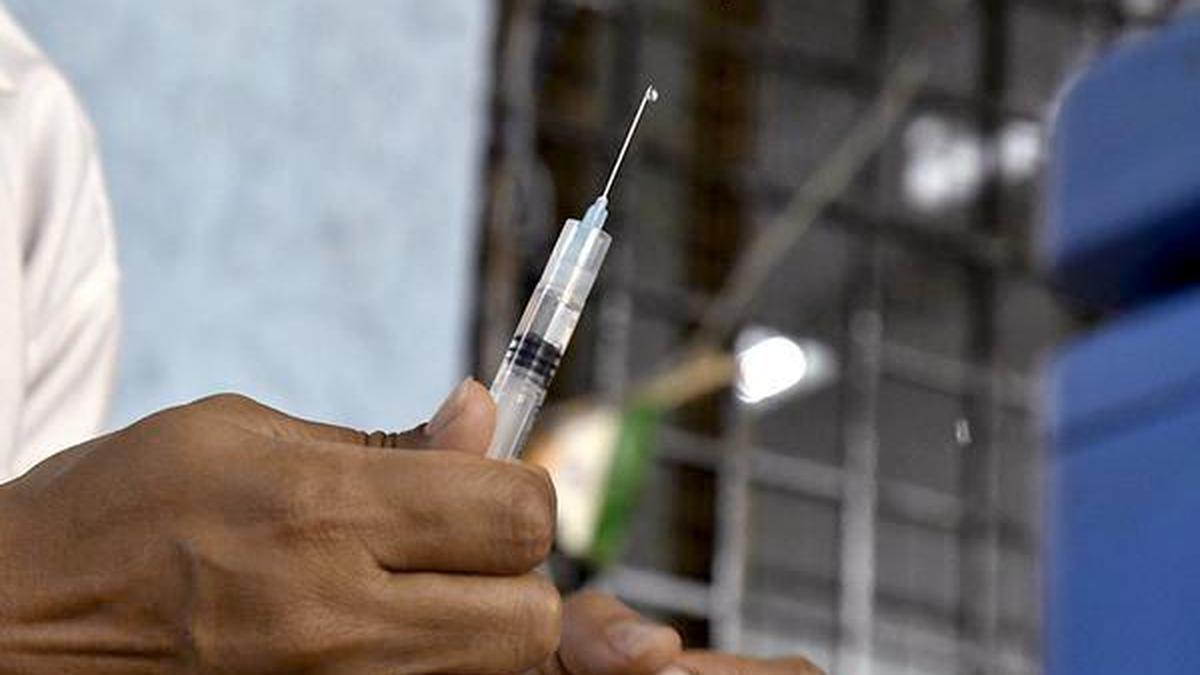
National Health Accounts estimates show households’ out-of-pocket share of total health expenditure fell from 64.2% in 2013–14 to 42.7% in 2023–24. A lower share does not, by itself, establish lower absolute household spending or universal health coverage.
Image: The Hindu
Why in news
The Health Ministry has released the National Health Accounts estimates for 2023-24. The estimates show declining reliance on direct household payments and an expanding role for government financing, social security and health insurance.
42.7%
Household out-of-pocket share, 2023-24
21.5 percentage points
Decadal decline in out-of-pocket share
₹4.14 lakh crore
Reported Union health expenditure, 2023-24
₹2,959
Per capita government health expenditure, 2023-24
11%
Social security share of health expenditure, 2023-24
₹1.53 lakh crore
Government primary healthcare expenditure, 2023-24
Background
National Health Accounts systematically track how healthcare is financed and how health resources are used. India’s estimates are prepared by the technical secretariat within the National Health Systems Resource Centre under the Union Ministry of Health and Family Welfare, using the internationally recognised System of Health Accounts 2011 framework. Out-of-pocket expenditure refers to direct payments by households for healthcare rather than expenditure paid through government financing or insurance arrangements. Universal health coverage requires access to needed, quality health services without financial hardship; it therefore combines service availability, effective access and financial protection.
What the estimates establish
Households’ out-of-pocket expenditure declined from 64.2% of total health expenditure in 2013-14 to 42.7% in 2023-24. The latest share was also below the 43.4% recorded in 2022-23. Over the decade, the government’s share of total health expenditure increased by 14.9 percentage points.
The Hindu reports that Union government health expenditure rose from ₹1.30 lakh crore to ₹4.14 lakh crore over the decade. Separately, the estimates show per capita government health expenditure rising from ₹1,042 to ₹2,959. These indicators describe different dimensions of financing and should not be conflated.
Social security expenditure increased from 6% to 11% of total health expenditure, while private health insurance expenditure increased from 3.4% to 10.2%. These changes indicate a broader financing mix, but government expenditure, social security and insurance categories should not be added mechanically without checking their accounting definitions.
- A percentage-point change measures the difference between two shares; it is not the same as a percentage reduction.
- The out-of-pocket share is measured against total health expenditure, not household income.
- The estimates concern 2023-24 and should not be presented as measurements of healthcare conditions in 2026.
Infographic
Financing shift
Out-of-pocket share fell from 64.2% to 42.7%.
Public capacity
Translate funding into staff, medicines, diagnostics and functioning facilities.
Connected care
Combine strong primary care with accountable hospital protection.
Equitable access
Check who receives care and who remains excluded.
Protection test
Measure financial hardship and unmet need, not expenditure shares alone.
AI-assisted infographic by Pragnya IAS Academy, based on the cited sources.
Why a lower household share is encouraging but not conclusive
Greater public financing can replace payment at the point of illness with pooled resources. If this finances accessible services, medicines and diagnostics, households need not bear the full cost when illness strikes. However, a declining household share can coexist with rising household expenditure in rupees if total health expenditure grows sufficiently.
The Times of India headline reports that families still paid around ₹4 lakh crore in 2023-24. More importantly, national expenditure shares cannot show whether low-income households avoided borrowing, whether patients postponed treatment, or whether protection improved equally across States and social groups.
The reported increase in spending is also not a measure of inflation-adjusted purchasing power. Establishing stronger financial protection requires evidence on catastrophic expenditure, impoverishment, unmet healthcare need and treatment-related borrowing, alongside expenditure accounts.
- Falling expenditure caused by effective public provision is desirable; falling expenditure caused by forgone treatment is not.
- Nominal spending growth must be assessed alongside healthcare costs, population needs and service outputs.
- Aggregate trends cannot establish that any particular scheme caused the decline in household expenditure shares.
Primary healthcare and insurance must work together
Government expenditure on primary healthcare stood at about ₹1.53 lakh crore in 2023-24. The Ministry highlighted Ayushman Arogya Mandirs, free drugs and diagnostics, the Pradhan Mantri National Dialysis Programme, Janaushadhi and AMRIT pharmacies as initiatives supporting affordable care.
Ayushman Bharat-Pradhan Mantri Jan Arogya Yojana provides cashless hospitalisation benefits to eligible beneficiaries. Such protection addresses covered hospital episodes, but cannot substitute for accessible outpatient consultations, continuing medicines, preventive services and follow-up care.
The policy objective should therefore be a connected care system rather than an insurance-only approach. Strong primary care can detect illness early and coordinate referrals, while accountable hospital purchasing can protect patients when specialised treatment is required.
- Medicine and diagnostic availability is essential to translate public allocations into lower direct payments.
- Insurance enrolment or eligibility is not equivalent to timely access to appropriate treatment.
- Provider availability, quality assurance and grievance redress determine whether cashless entitlements work in practice.
Constitutional responsibilities and the UHC test
Public health and sanitation, hospitals and dispensaries fall under the State List in the Seventh Schedule. The Union also has important financing, programme and coordination roles. Consequently, national financing gains must be translated into functioning services through effective Union-State cooperation.
Article 47 directs the State to improve public health, while Article 21 has been judicially interpreted to encompass protection of health within the right to life. These constitutional foundations favour a health system judged by effective access and protection from hardship, not expenditure growth alone.
Progress towards universal health coverage should be tested through three linked questions: Are needed services available? Are they accessible and of adequate quality? Can people use them without financial hardship? The NHA informs the financing dimension but cannot answer all three independently.
- Compare States and population groups rather than relying only on national averages.
- Assess service use alongside unmet need to avoid mistaking exclusion for financial protection.
- Link expenditure trends with quality, health outcomes and household financial-risk indicators.
| Reported indicator | What it suggests | What it does not establish |
|---|---|---|
| Out-of-pocket share: 64.2% to 42.7% | Lower relative reliance on direct household payments | Lower absolute household spending or elimination of financial hardship |
| Government share increased by 14.9 percentage points | A larger public role in health financing | Equal access or efficient expenditure across States |
| Per capita government expenditure: ₹1,042 to ₹2,959 | Higher nominal public spending per person | An equivalent increase in real service availability |
| Social security share: 6% to 11% | An expanded role for organised financing arrangements | Comprehensive coverage of every household and service |
| Private insurance expenditure share: 3.4% to 10.2% | A greater role for private insurance financing | Universal entitlement or freedom from exclusions and additional payments |
- 1. Mobilise predictable public resources and pool health risks.
- 2. Allocate funds to primary care, medicines, diagnostics and necessary hospital services.
- 3. Ensure staffing, supplies, quality and accountable provider payments.
- 4. Enable timely treatment with fewer direct household payments.
- 5. Verify lower financial hardship alongside improved access and health outcomes.
2013-14
Out-of-pocket expenditure accounted for 64.2% of total health expenditure; per capita government health expenditure was ₹1,042.
2022-23
The out-of-pocket share stood at 43.4%.
2023-24
The out-of-pocket share fell to 42.7%, while per capita government health expenditure reached ₹2,959.
Significance, challenges & way forward
Significance
- The declining out-of-pocket share indicates a financing shift consistent with greater reliance on public and pooled resources.
- Higher public expenditure creates scope to expand services for people with limited ability to pay.
- Primary healthcare investment can support prevention, early diagnosis and continuity of care.
- The internationally recognised accounting framework supports systematic analysis of changes in health financing.
Challenges
- Households still finance 42.7% of total health expenditure directly, leaving substantial exposure to treatment costs.
- National averages may conceal unequal financial protection across income groups, locations and States.
- Greater nominal expenditure does not automatically produce better staffing, reliable supplies or higher-quality treatment.
- Hospitalisation benefits alone cannot meet all outpatient, preventive and long-term treatment needs.
- Insurance exclusions, provider shortages and additional patient charges can weaken protection unless addressed.
- Expenditure accounts do not directly measure untreated illness, catastrophic spending or healthcare-related impoverishment.
Way forward
- Sustain predictable public financing while assessing its real purchasing power and responsiveness to population health needs.
- Prioritise reliable primary care, free essential medicines and diagnostics, backed by effective procurement and supply systems.
- Connect primary facilities with hospital care through referral pathways and continuity of patient follow-up.
- Strengthen purchasing oversight, quality standards and grievance redress in publicly financed insurance.
- Publish disaggregated financial-protection indicators alongside NHA estimates, including catastrophic expenditure, impoverishment and unmet need.
- Use Union-State coordination and need-sensitive resource allocation to address gaps in service capacity and access.
Key terms
- National Health Accounts
- A systematic accounting of health expenditure and its financing within a country.
- Out-of-pocket expenditure
- Direct household payments for healthcare rather than payments financed through government or insurance arrangements.
- Universal health coverage
- Access to needed, quality health services without financial hardship.
- Risk pooling
- Combining prepaid resources so that the financial cost of illness is shared rather than borne solely by the affected person.
- Catastrophic health expenditure
- Household health spending that exceeds a specified threshold relative to household resources.
- Impoverishing health expenditure
- Healthcare payments that push households into poverty or deepen existing poverty.
- Effective coverage
- Access to needed services of sufficient quality to produce the intended health benefit.
- Percentage-point change
- The arithmetic difference between two percentage values.
Link with static syllabus
Prelims practice MCQs
Q1. With reference to the National Health Accounts estimates for 2023-24, consider the following statements: 1. Household out-of-pocket expenditure accounted for 42.7% of total health expenditure. 2. A decline in this share necessarily means that household health expenditure declined in absolute rupee terms. 3. The estimates use the System of Health Accounts 2011 framework. Which of the statements given above are correct?
Q2. Consider the following pairs: 1. Article 47: Improvement of public health as a duty of the State 2. State List: Public health and sanitation; hospitals and dispensaries 3. Article 21: Express constitutional prescription of a minimum health expenditure ratio Which of the pairs given above are correctly matched?
Q3. Which of the following best captures universal health coverage?
Q4. With reference to changes in India’s health financing between 2013-14 and 2023-24, consider the following statements: 1. The out-of-pocket share declined by 21.5 percentage points. 2. Social security expenditure on health rose from 6% to 11% of total health expenditure. 3. Private health insurance expenditure declined as a share of total health expenditure. Which of the statements given above are correct?
Mains practice questions
GS 2 · 15 marks · 250 words
Rising public health expenditure and a declining out-of-pocket expenditure share are necessary indicators of progress, but insufficient evidence of universal health coverage. Discuss in the light of the National Health Accounts estimates for 2023-24.
Frequently asked questions
Does the 42.7% out-of-pocket share mean families spend that proportion of their income on healthcare?
No. It is the household out-of-pocket share of total health expenditure, not the share of household income spent on health.
Does a lower out-of-pocket share prove that households are paying less?
No. Household spending in rupees can rise even as its share falls if total health expenditure grows faster; financial hardship must be assessed separately.
Can PM-JAY alone deliver universal health coverage?
No. PM-JAY provides cashless hospitalisation benefits to eligible beneficiaries, while universal coverage also requires accessible primary care, outpatient services, medicines, prevention and adequate quality.
What additional evidence is needed to judge financial protection?
Evidence on catastrophic expenditure, healthcare-related impoverishment, borrowing and unmet treatment needs is required. These indicators should be disaggregated across States and population groups.
Sources
- The Hindu: India’s health spending triples to ₹4.14 lakh crore, but out-of-pocket share drops to 42.7%: NHA
- Times of India: Govt healthcare spend up 3x since 2013-14 to 4.1L cr
Analysis prepared by the Pragnya IAS Academy current-affairs desk with AI assistance from the cited reports. Verify figures with the original sources.
Turn current affairs into marks
Join Pragnya IAS Academy's mentorship for daily answer-writing evaluation on stories like this — classroom programmes from a trusted name in IAS coaching in Hyderabad.