
COP31 Draft: Fossil-Fuel Transition, Climate Finance and Equity Divide
Revise the static topic: UPSC Environment notes
In short: The revised COP31 draft cover text dated November 19, 2026, removes references to fossil-fuel phase-out, net-zero dates and a firm adaptation-finance target sought by developing countries. It also drops a proposed call to phase out unilateral trade measures such as CBAM, exposing disagreements over how climate action should distribute costs and responsibilities. These are changes to a negotiating draft, not an adopted outcome or amendments to the Paris Agreement.
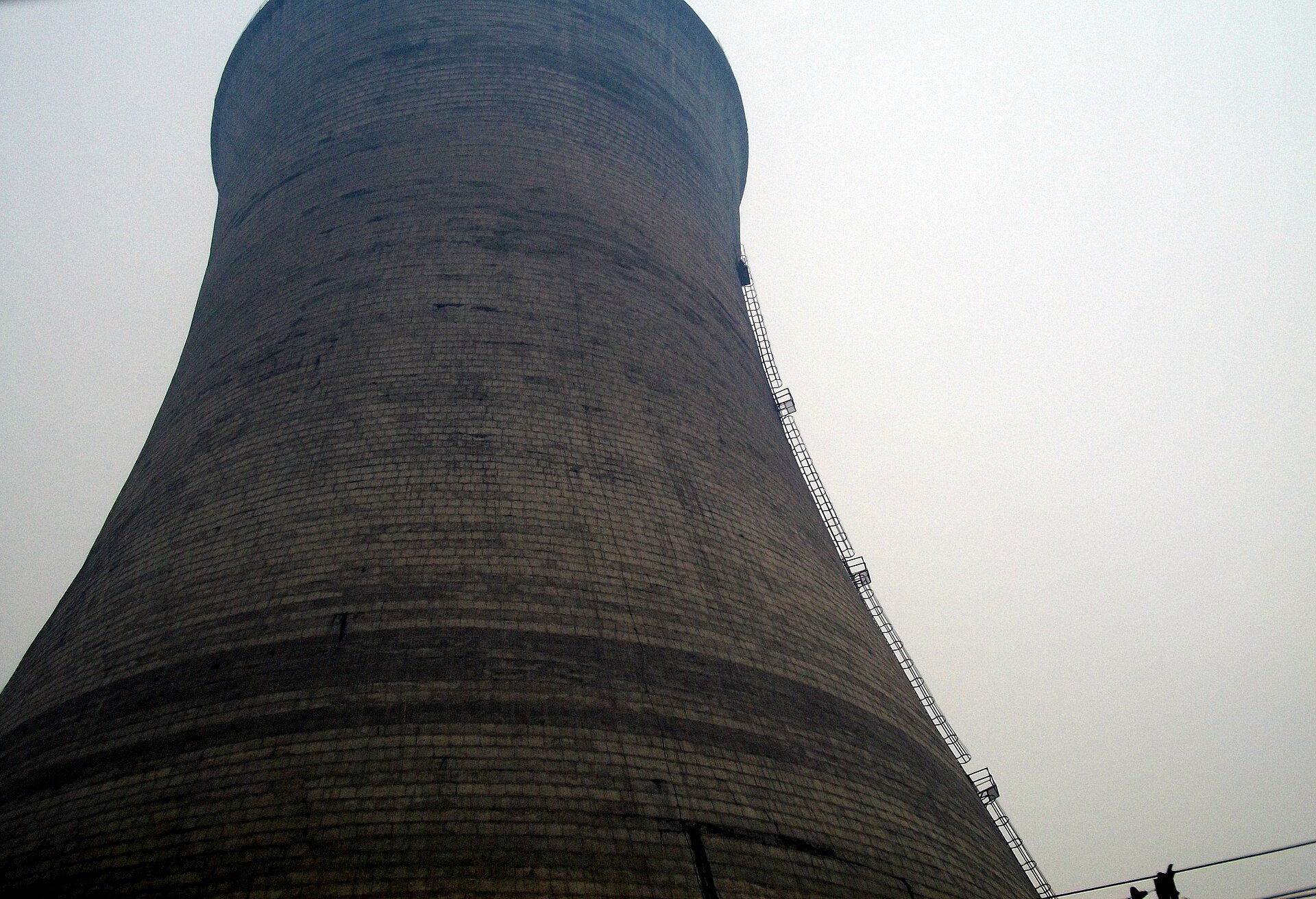
Reference view of Suratgarh Super Thermal Power Plant in India, illustrating the coal-power infrastructure central to debates over fossil-fuel transition and unequal national starting points—not the COP31 negotiations.
Image: Ramilarora · CC BY-SA 3.0
Why in news
According to the supplied reports, the revised draft circulated at COP31 in Antalya, Türkiye, retains proposals on electrification, renewable energy, energy efficiency and early warning systems while deleting several contentious commitments. Negotiations remained unresolved ahead of the scheduled November 20 conclusion.
$120 billion
Specific adaptation-finance target omitted
35%
Proposed electricity share by 2035
23%
Current electricity share reported
3 times
Renewable capacity ambition by 2030
2 times
Energy-efficiency improvement rate ambition by 2030
2027
Proposed universal early warning coverage
Background
The United Nations Framework Convention on Climate Change provides the framework for international climate cooperation. Its principles include equity and common but differentiated responsibilities and respective capabilities, recognising that countries differ in historical contributions to climate change and their ability to respond. The Paris Agreement combines nationally determined contributions with collective goals, transparency and periodic assessment. It requires developed country Parties to provide financial resources to assist developing country Parties with mitigation and adaptation. A COP cover text frames the political outcome of a conference; its legal implications depend on the wording and underlying treaty authority, not simply on its designation as a COP decision.
What the revised draft removes and retains
The revised text removes references to fossil-fuel phase-out and net-zero dates. It also deletes the specific adaptation-finance target sought by developing countries and the earlier proposal to phase out unilateral trade measures such as the Carbon Border Adjustment Mechanism by 2027.
The remaining proposals include raising electricity's share in global final energy consumption to 35% by 2035, tripling renewable energy capacity and doubling the rate of energy-efficiency improvement by 2030. Universal early warning systems by 2027, scaling up carbon capture utilisation technologies and a broad commitment to triple adaptation finance also remain in the reported draft.
- The retained electrification proposal is a global ambition, not an established country-specific obligation for India.
- A broad promise to triple adaptation finance is not equivalent to an agreed monetary floor with clear delivery arrangements.
- The reported omissions do not establish what the final conference outcome will contain.
Infographic
Transition
Fossil-fuel language dropped; differentiated pathways remain essential.
Finance
Specific adaptation target dropped; broad tripling promise retained.
Trade
Proposed phase-out of unilateral carbon measures removed.
Implementation
Electrification, renewables, efficiency and early warnings retained.
Equity
Align responsibility and capability with finance and technology support.
AI-assisted infographic by Pragnya IAS Academy, based on the cited sources.
Fossil-fuel transition: common objective, unequal starting points
The supplied Indian Express report identifies divergent interests: the European Union has pressed for a fossil-fuel transition roadmap, major fossil-fuel producers resist constraints on their economic base, and large consumers such as India and China remain cautious. Energy security, industrial competitiveness, employment and development needs shape these positions.
Equity does not mean exempting developing countries from climate action. It means differentiating the pace and support for transition according to responsibility, capability and national circumstances. Conversely, deleting fossil-fuel language does not remove the underlying need to reduce emissions.
- A just transition must address workers, dependent communities and public revenues, not merely replace generation technologies.
- Electrification delivers stronger mitigation benefits when electricity generation itself becomes cleaner.
- Efficiency and renewable-energy expansion should support emissions reductions rather than substitute for scrutiny of continued fossil-fuel dependence.
Adaptation finance: equity requires credible delivery
Developing countries sought a firm adaptation-finance target framed as a legally binding financial obligation on developed countries. The supplied reporting describes demands for at least $120 billion annually by 2035, but the revised draft retains only a broader tripling commitment without the specific monetary target.
Adaptation protects lives, infrastructure and livelihoods against climate impacts. When vulnerable countries rely on borrowing for resilience and disaster recovery, the costs can extend to future generations. This makes the quality, accessibility and predictability of finance as important as its headline volume.
- Grant-based support is especially important where adaptation creates public benefits without reliable commercial revenue.
- A measurable pledge needs a clear baseline, delivery period, accounting method and allocation framework.
- Removing a proposed financial target from a draft does not repeal developed countries' existing treaty obligations to provide financial resources.
CBAM: climate policy meets trade fairness
The EU's Carbon Border Adjustment Mechanism addresses carbon emissions embedded in covered imports, seeking to reduce carbon leakage and align the carbon costs faced by domestic and foreign producers. Developing countries are concerned that unilateral carbon measures can transfer adjustment costs to exporters with less access to finance and technology.
The earlier COP31 draft's proposed phase-out of unilateral trade measures by 2027 has disappeared. This neither settles the fairness debate nor determines CBAM's compatibility with World Trade Organization rules. Climate equity and trade-law compliance are related but distinct questions.
- Carbon leakage occurs when production or investment shifts towards jurisdictions with weaker carbon constraints.
- Transparent emissions accounting and recognition of credible foreign climate policies can reduce arbitrary burdens.
- Support for cleaner production is necessary if carbon measures are to encourage transition rather than merely restrict market access.
Negotiating and legal implications for India
The source describes the cover text as an overarching political decision requiring consensus. Earlier drafts were not presented as consensus texts, and proposals can change until adoption. The Paris Agreement's temperature goals and existing nationally determined contributions do not disappear because a draft omits particular deadlines.
India's policy challenge is to connect energy access and industrial development with a credible low-carbon transition. Its negotiating approach can defend differentiated responsibilities while seeking finance, technology access, affordable electrification and fair treatment of exports.
- India should distinguish a global energy-system ambition from any proposed national allocation of effort.
- Domestic preparedness requires cleaner power, stronger grids and reliable product-level emissions measurement.
- The revised draft retains efforts towards the temperature goal and limiting overshoot, but drops the proposed work programme on returning to that goal after overshoot.
| Issue | Revised draft position | Interpretation |
|---|---|---|
| Fossil-fuel phase-out and net-zero dates | References removed | Weakens explicit transition signalling without changing underlying treaty commitments. |
| Adaptation finance | Specific $120 billion target removed; broad tripling commitment retained | The scale and accountability of delivery remain contested. |
| Unilateral trade measures | Proposed phase-out by 2027 removed | Developing-country concerns over CBAM remain unresolved. |
| Electrification | 35% share of global final energy consumption by 2035 retained | Concerns electricity use across the economy, not renewable electricity's share in generation. |
| Renewables and efficiency | Tripling renewable capacity and doubling the efficiency improvement rate by 2030 retained | The efficiency proposal concerns the rate of improvement, not a doubling of efficiency itself. |
| Early warning systems | Universal coverage by 2027 retained | Links climate adaptation with disaster preparedness. |
- 1. Assess climate responsibility, national capabilities and development needs.
- 2. Agree differentiated transition pathways alongside predictable finance and technology support.
- 3. Invest in clean electricity, efficient end uses, resilience and worker protection.
- 4. Use transparent emissions and finance accounting to verify implementation.
- 5. Review progress and strengthen action without shifting disproportionate costs to vulnerable countries.
2023
COP28 in Dubai included transitioning away from fossil fuels in energy systems in the global stocktake outcome.
2025
According to the supplied report, the conference in Brazil omitted the fossil-fuel transition issue from its final decision despite pressure for inclusion.
November 16, 2026
An earlier COP31 draft included fossil-fuel transition language and proposals subsequently removed.
November 19, 2026
The revised COP31 cover draft removed fossil-fuel references, net-zero dates, the specific adaptation-finance target and the proposed phase-out of unilateral trade measures.
November 20, 2026
Scheduled conclusion of COP31; the supplied material does not establish an adopted final outcome.
Significance, challenges & way forward
Significance
- The draft illustrates how mitigation ambition depends on trust over finance and burden-sharing.
- Adaptation finance connects climate negotiations directly with public safety, fiscal stability and intergenerational justice.
- Carbon border measures bring climate governance into industrial policy, export competitiveness and international trade.
- Retained electrification, renewable-energy and early warning proposals offer implementation opportunities even amid disagreement over fossil fuels.
- For India, climate diplomacy and domestic energy planning must advance together rather than operate as separate policy tracks.
Challenges
- Consensus can encourage deletion of contentious provisions without resolving the disagreements behind them.
- Fossil-fuel producers and consumers face different economic risks, making a common transition roadmap difficult.
- Finance promises without clear baselines, accounting rules and delivery mechanisms are difficult to evaluate.
- Debt-heavy climate support can constrain the development spending of vulnerable countries.
- Electrification requires affordable clean power, reliable grids and changes in industrial and transport technologies.
- Unilateral carbon measures can create compliance burdens for exporters with limited emissions-monitoring capacity.
Way forward
- Negotiate mitigation ambition and implementation support together, with differentiated pathways reflecting national circumstances.
- Specify adaptation-finance baselines, delivery periods, grant components and reporting arrangements.
- Prioritise accessible public and grant-based finance for vulnerable countries and adaptation projects with limited commercial returns.
- Build a just-transition framework covering workers, affected regions, energy affordability and economic diversification.
- Address carbon trade measures through climate and trade dialogue, including transparent methodologies and support for cleaner production.
- For India, strengthen grids, storage, energy efficiency and product-level emissions measurement while protecting developmental priorities.
- Preserve explicit emissions-reduction ambition while making retained sectoral proposals measurable and implementable.
Key terms
- COP cover text
- An overarching negotiated decision framing the political outcome of a climate conference.
- CBDR-RC
- Common but differentiated responsibilities and respective capabilities: shared climate action with differentiated responsibilities reflecting unequal contributions and capacities.
- Net zero
- A balance between anthropogenic emissions and anthropogenic removals of the specified greenhouse gases over a defined period.
- Adaptation finance
- Financial support for reducing vulnerability and strengthening resilience to actual or expected climate impacts.
- CBAM
- The EU's Carbon Border Adjustment Mechanism, which applies carbon-related requirements to embedded emissions in covered imports.
- Final energy consumption
- Energy used by end users, distinct from energy inputs used for transformation into electricity or other energy carriers.
- Temperature overshoot
- A period during which global warming exceeds a specified temperature threshold before potentially returning below it.
- Just transition
- A transition towards a low-emission economy that protects workers, communities and vulnerable groups from disproportionate costs.
Link with static syllabus
Prelims practice MCQs
Q1. With reference to the revised COP31 draft described in the reports, consider the following statements: 1. It retains a proposal to raise electricity's share in global final energy consumption to 35% by 2035. 2. It retains the proposed phase-out of unilateral trade measures by 2027. 3. It removes the specific adaptation-finance target while retaining a broad tripling commitment. Which of the statements given above are correct?
Q2. Which of the following best expresses common but differentiated responsibilities and respective capabilities in climate governance?
Q3. Consider the following pairs: 1. Adaptation finance: Support for reducing vulnerability to climate impacts 2. Carbon leakage: Transfer of production or investment towards jurisdictions with weaker carbon constraints 3. Final energy consumption: Energy used by end users How many of the above pairs are correctly matched?
Q4. With reference to climate negotiations, consider the following statements: 1. Removing a proposal from a draft cover text automatically amends the Paris Agreement. 2. A proposed global electrification target necessarily creates an identical binding national target for every Party. 3. The legal effect of an adopted decision depends on its wording and underlying treaty authority. Which of the statements given above is/are correct?
Mains practice questions
GS 3 · 15 marks · 250 words
The divisions over fossil-fuel transition, adaptation finance and carbon border measures reflect a common dispute over equitable burden-sharing. Discuss with reference to the revised COP31 draft.
Frequently asked questions
Has COP31 finally abandoned fossil-fuel phase-out?
The supplied reports establish only that the revised draft removes fossil-fuel phase-out language. They do not establish the content of an adopted final decision.
Does removing net-zero dates cancel existing climate commitments?
No. Deletion from a negotiating draft does not amend the Paris Agreement or automatically cancel existing national commitments.
Why is a broad promise to triple adaptation finance insufficient by itself?
Its practical value depends on a clear baseline, delivery period, financing terms and accounting rules. The omitted monetary target would have provided greater clarity about the scale being sought.
Does the proposed 35% electricity share refer to renewable power?
No. It refers to electricity's share in global final energy consumption, not renewable energy's share in electricity generation.
Sources
- The Hindu: Draft of COP31 cover text drops references to fossil fuel phase-out, net zero dates
- The Hindu: COP31 must not leave the next generation with a climate bill
- Indian Express: COP31: Future of fossil fuels exposes sharp divides among countries, yet again
Analysis prepared by the Pragnya IAS Academy current-affairs desk with AI assistance from the cited reports. Verify figures with the original sources.
Turn current affairs into marks
Join Pragnya IAS Academy's mentorship for daily answer-writing evaluation on stories like this — classroom programmes from a trusted name in IAS coaching in Hyderabad.