
Lancet Countdown: India’s Heatwave Exposure and Age-Specific Health Risks
Revise the static topic: UPSC Economy notes · UPSC International Relations notes
In short: The tenth indicator report of the Lancet Countdown on Health and Climate Change places India among countries with the highest heatwave exposure for infants and older adults. Globally, combined exposure for these groups remained the second highest on record in 2025 despite falling from 2024, highlighting the need for targeted heat protection and climate-resilient public health systems.
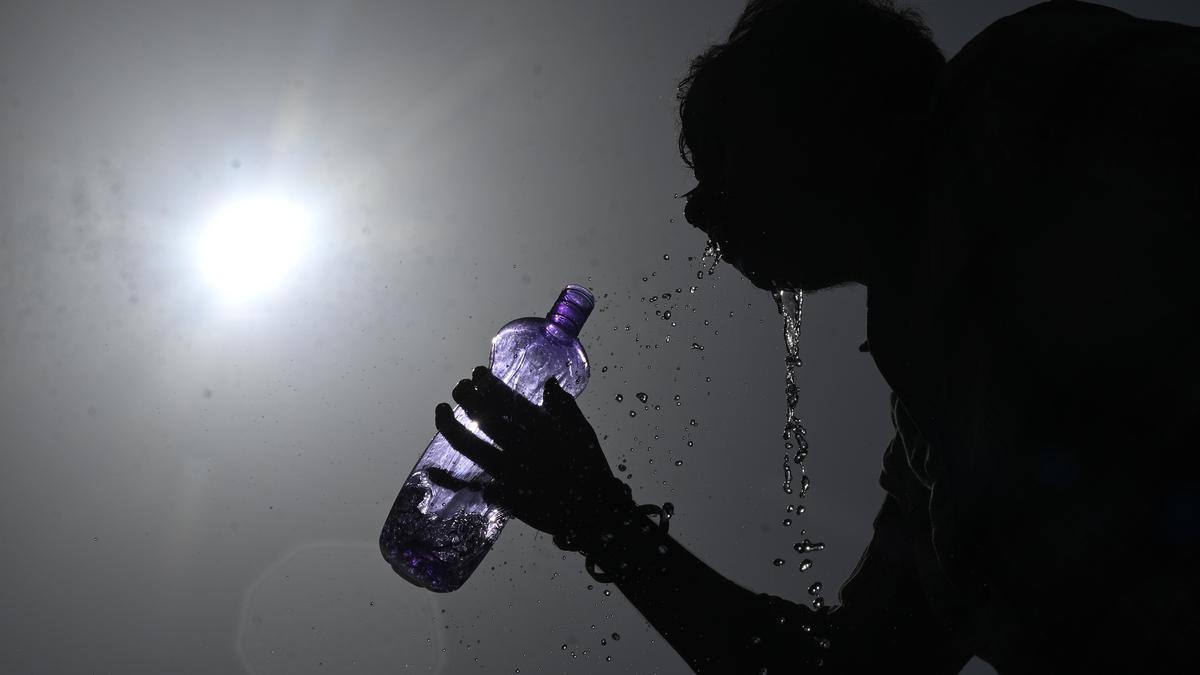
Photo from the source report: Lancet Countdown: India’s Heatwave Exposure and Age-Specific Health Risks
Image: The Hindu
Why in news
The Hindu reported the Lancet Countdown’s findings on heatwave exposure among vulnerable age groups, including India’s high aggregate burden. The report’s authors have called for climate change to be formally recognised as a global health emergency and for health to be central to climate decisions.
15.3 billion person-days
Global older-adult exposure, 2024
2.3 billion person-days
Global infant exposure, 2024
10.8 billion person-days
Global older-adult exposure, 2025
1.1 billion person-days
Global infant exposure, 2025
12.8 days
Global average per older adult, 2025
8.7 days
Global average per infant, 2025
Background
The Lancet Countdown tracks the relationship between climate change and health through indicators. Heat-related harm depends not only on the weather hazard but also on population exposure, physiological susceptibility, housing, livelihoods and access to care. In India, the India Meteorological Department provides heat warnings, while disaster-management authorities, health departments and local bodies have complementary roles in preparedness and response. Heat action plans translate forecasts into preventive measures, public communication and health-system readiness.
What the report establishes—and what it does not
India was identified alongside China, the United States and Russia among countries with the highest heatwave exposure for both infants and older adults. The supplied account does not provide India’s exact rank, country-specific exposure totals or per-person averages.
Global exposure declined from the historical highs recorded in 2024. Nevertheless, 2025 had the second-highest combined exposure on record for the two vulnerable groups, so the annual decline should not be read as evidence that long-term heat risk has been resolved.
- The reported exposure totals and per-person averages are global figures, not India-specific estimates.
- The supplied account does not specify the indicator’s age cut-offs or heatwave threshold; these should not be assumed.
- The authors’ call for a global health emergency and a new WHO instrument is a proposal, not an announced legal decision.
Infographic
Read indicators correctly
Separate total exposure, per-person averages and health outcomes.
Protect infants
Support caregivers, safe feeding and early recognition of illness.
Reach older adults
Ensure outreach, accessible cooling and continuity of care.
Make warnings actionable
Assign responsibilities and activate essential services.
Build resilient healthcare
Secure water, power, treatment capacity and surveillance.
AI-assisted infographic by Pragnya IAS Academy, based on the cited sources.
How to interpret heat-exposure indicators
Person-days aggregate the number of people exposed and the duration of their exposure. They measure cumulative exposure rather than unique individuals, hospital admissions or deaths. A country’s large population can contribute to a high total even when its average exposure per person is not the highest.
Population-normalised exposure expresses average heatwave days per individual within the relevant age group. It improves comparisons of average exposure but can conceal differences across districts, neighbourhoods, housing conditions and income groups.
Exposure, vulnerability and health outcomes must be analysed separately. An exposure indicator does not itself establish the number of deaths attributable to heat or the share attributable to human-induced climate change.
- Use aggregate person-days to assess the scale of exposure and preparedness needs.
- Use per-person exposure to compare average exposure across populations.
- Combine both with local vulnerability and health-outcome data before allocating resources.
Why infants and older adults need differentiated protection
Infants have developing thermoregulatory capacity and depend on caregivers for feeding, appropriate clothing and movement to cooler surroundings. They cannot reliably communicate heat distress, making caregiver awareness and early recognition essential.
Older adults may have reduced thirst perception and heat-dissipation capacity. Chronic illnesses, limited mobility, social isolation and some medicines can increase susceptibility or complicate fluid management; hydration advice must therefore account for individual clinical needs.
Biological vulnerability interacts with social conditions. Poorly ventilated housing, unreliable electricity, water insecurity and difficulty reaching healthcare can turn a heat episode into a preventable medical emergency.
- Infant protection should emphasise caregiver counselling, safe feeding support and rapid referral for illness.
- Older-adult protection should include outreach, continuity of chronic-disease care and clinician-guided advice.
- Community support must reach people who cannot independently access cooling or medical services.
From heat warnings to accountable public health action
Heat action plans should connect forecasts to predefined responsibilities across health, water, electricity, urban development and disaster-management agencies. A warning is useful only when it leads to timely outreach, functioning cooling spaces, safe water and treatment capacity.
Climate-resilient health facilities need dependable power and water, passive cooling where feasible, emergency treatment readiness and reliable referral arrangements. Surveillance should track heat-related illness and deaths while recognising that heat can aggravate underlying conditions and therefore be under-recorded.
Article 21 provides a constitutional foundation for protection of life and health, while Article 47 directs the State to improve public health. Public health and sanitation are primarily State subjects, making State implementation, local delivery and Union-level coordination mutually important.
- Assign operational responsibilities and assured resources before the hot season.
- Use accessible local-language communication rather than digital-only alerts.
- Evaluate plans through service delivery, health outcomes and equity, not merely their publication.
| Measure | What it shows | Interpretive caution |
|---|---|---|
| Total person-days | Cumulative exposure across people and days | Influenced by population size; not a count of unique people |
| Average days per individual | Population-normalised exposure within an age group | Can conceal local and socioeconomic inequalities |
| Heat-related illness and deaths | Health outcomes associated with heat | Depend on vulnerability, care access and quality of recording |
| Climate-attributable mortality estimate | Estimated mortality contribution of human-induced climate change | Requires attribution methods; cannot be inferred directly from exposure totals |
- 1. Combine heat forecasts with local exposure and vulnerability information.
- 2. Activate predefined departmental responsibilities and health-facility preparedness.
- 3. Reach caregivers and older adults through accessible alerts and community outreach.
- 4. Provide safe water, accessible cooling and continuity of essential services.
- 5. Recognise illness early, deliver emergency care and arrange referral.
- 6. Review health outcomes and service gaps to improve the next response.
2015
The Paris Agreement was adopted under the United Nations Framework Convention on Climate Change.
2016
The Paris Agreement entered into force; adoption and entry into force are distinct milestones.
2024
The report records historical highs in global heatwave exposure for older adults and infants.
2025
Exposure declined from the previous year but remained the second highest on record for both groups combined.
Significance, challenges & way forward
Significance
- The findings frame heatwaves as a public health and social-protection challenge, not merely a meteorological event.
- Age-disaggregated indicators support targeted protection rather than uniform advice for all residents.
- India’s high aggregate exposure strengthens the case for integrating health into climate adaptation and urban planning.
- Heat protection can generate wider benefits through healthier housing, more reliable public services and stronger primary healthcare.
Challenges
- Global totals cannot identify India’s most vulnerable districts or establish its per-person exposure ranking.
- Aggregate averages can obscure people facing intense exposure alongside weak access to cooling and care.
- Heat-related illness and mortality may be under-recorded when heat aggravates pre-existing disease.
- Fragmented departmental responsibilities can prevent forecasts from translating into timely assistance.
- Cooling strategies centred only on air-conditioning can exclude poorer households and increase electricity demand.
Way forward
- Develop locally disaggregated risk assessments combining heat exposure, age, housing conditions, health status and service access.
- Embed age-specific protocols in heat action plans, with caregiver guidance for infants and proactive support for older adults.
- Strengthen primary-care outreach and heat-health surveillance while protecting personal information.
- Provide reliable water and electricity, passive cooling and emergency readiness in health facilities.
- Expand equitable cooling through shade, suitable building design and accessible public cooling spaces.
- Link climate finance to measurable health protection; the report’s authors specifically advocate grants rather than loans for health adaptation.
Key terms
- Person-days of exposure
- The sum of days of exposure across all individuals in the population being assessed.
- Population-normalised exposure
- Exposure expressed per individual in the relevant population, reducing the effect of population size on comparison.
- Heat vulnerability
- Susceptibility to heat-related harm shaped by physiology, illness, living conditions and capacity to respond.
- Heat action plan
- An operational framework connecting heat warnings with prevention, preparedness, response and review.
- Climate-resilient health system
- A health system able to anticipate, withstand and respond to climate-related stresses while maintaining essential services.
- Climate attribution
- Assessment of the contribution of human-induced climate change to observed hazards or their impacts.
Link with static syllabus
Prelims practice MCQs
Q1. With reference to heatwave exposure measured in person-days, consider the following statements: 1. It combines the number of people exposed with the duration of exposure. 2. It directly measures the number of unique individuals hospitalised due to heat. 3. A larger population can contribute to a higher aggregate exposure total. Which of the statements given above are correct?
Q2. Consider the following statements about the Lancet Countdown findings described in the supplied report: 1. India was among countries with high heatwave exposure for infants and older adults. 2. The reported average of 12.8 heatwave days per older adult in 2025 was an India-specific figure. 3. Combined global exposure for the two groups in 2025 was the second highest on record. Which of the statements given above are correct?
Q3. Which of the following constitutional provisions explicitly directs the State to regard improvement of public health as among its primary duties?
Q4. Consider the following statements: 1. A decline in heatwave exposure from one year to the next necessarily establishes a reversal of long-term climate risk. 2. Population-normalised exposure can conceal inequalities within the population. 3. An exposure indicator alone is sufficient to calculate climate-attributable mortality. Which of the statements given above is/are correct?
Mains practice questions
GS 2 · 15 marks · 250 words
High heatwave exposure among infants and older adults demands more than early warnings. Discuss how India can make heat action plans age-responsive and strengthen climate-resilient public health systems.
Frequently asked questions
Does the report establish that India has the highest per-person heatwave exposure?
No. The supplied account places India among high-exposure countries but provides neither its exact rank nor India-specific per-person exposure figures.
What does a person-day of heatwave exposure mean?
It represents an individual being exposed for a day, aggregated across the population and exposure period. It is not a count of deaths, hospitalisations or unique people.
Does lower exposure in 2025 mean heat risk is declining?
Not necessarily. Exposure fell from 2024’s record high, but combined exposure among infants and older adults remained the second highest on record.
Has climate change been formally declared a global health emergency in this report?
The supplied account reports a demand by the authors for such recognition and a new WHO instrument. It does not report that either has been formally adopted.
Sources
- The Hindu: India among top countries with highest heatwave exposure for infants, older adults: Report
Analysis prepared by the Pragnya IAS Academy current-affairs desk with AI assistance from the cited reports. Verify figures with the original sources.
Turn current affairs into marks
Join Pragnya IAS Academy's mentorship for daily answer-writing evaluation on stories like this — classroom programmes from a trusted name in IAS coaching in Hyderabad.